
Introduce
As a professional fiberglass woven roving manufacturer and supplier, we frequently receive similar questions from FRP manufacturers, composite processors, and wholesale buyers:
“What specifications of fiberglass woven roving do you offer?”
“How do I choose the right weight?”
“Which woven roving is suitable for FRP boats, tanks, or composite materials?”
For FRP products, fiberglass woven roving is more than simply a reinforcement material. Its weight, yarn construction, fabric stability, resin wet-out, and compatibility with the production process can directly affect the final composite’s strength, thickness, production efficiency, and cost.
For example, an FRP boat hull may require woven roving with higher reinforcement efficiency and good resin wet-out, while tanks, pipes, automotive components, and construction composites may require different fabric weights and structures.
For buyers looking for fiberglass woven roving wholesale, the goal is not simply to choose the “heaviest” or “strongest” material. The better approach is to select a specification that matches the product structure, manufacturing process, and purchasing budget.
This guide explains how FRP manufacturers, composite companies, wholesalers, and distributors can select the right fiberglass woven roving based on specifications, performance, applications, and purchasing requirements.

Understanding Fiberglass Woven Roving for Composite Applications
Before choosing fiberglass woven roving, it is important to understand the product structure and specifications, as different specifications are designed for different reinforcement requirements.
What Is Fiberglass Woven Roving?
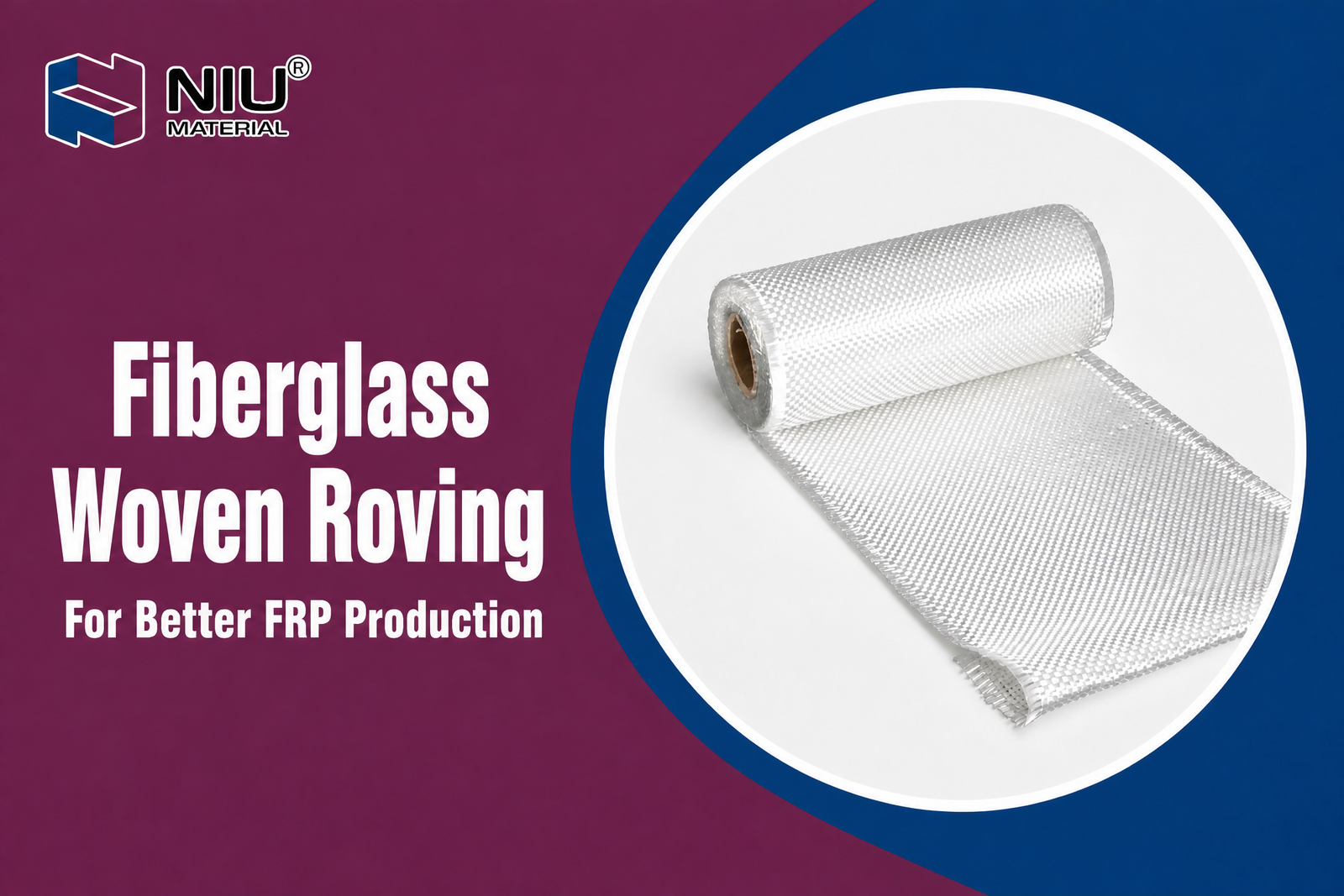
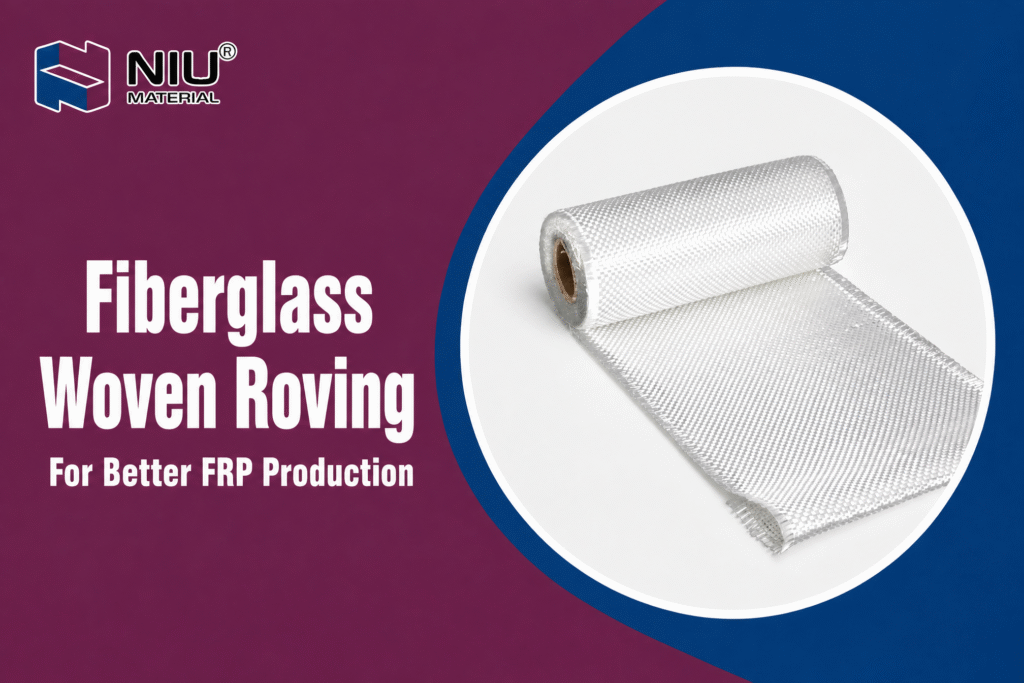
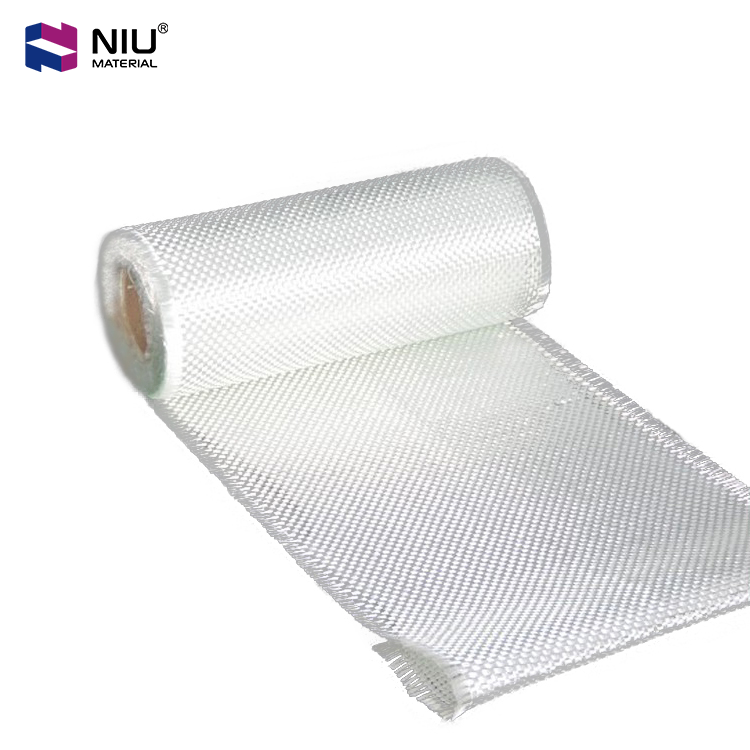
Fiberglass woven roving is a reinforcement material made by weaving continuous fiberglass rovings in warp and weft directions.
Compared with chopped strand mat, woven roving has a more organized fiber structure, providing balanced reinforcement in both the warp and weft directions.
It is widely used in FRP boats, storage tanks, pipes, wind energy components, automotive parts, construction composites, and other composite products.
For bulk buyers, the advantages of fiberglass woven roving go beyond reinforcement performance. Its standardized construction, stable specifications, and compatibility with high-volume FRP production make it a practical choice for many composite applications.
Key Factors When Choosing Fiberglass Woven Roving
Instead of focusing only on unit price, buyers should evaluate fiberglass woven roving based on weight, construction, wet-out performance, and final application.
Woven Roving Weight: Match Fabric Weight With Product Requirements
Common fiberglass woven roving weights include 200gsm, 300gsm, 400gsm, 450gsm, 600gsm, and 800gsm, among other specifications.
Lighter woven roving is generally easier to handle and wet out, making it suitable for products requiring better surface quality, controlled thickness, or more flexible laminate design.
Higher-weight woven roving can provide more reinforcement per layer, making it suitable for FRP products that require higher structural strength.
For woven roving wholesale buyers, the best specification is not necessarily the heaviest one. It is the specification that provides the right balance between strength, laminate thickness, production efficiency, and cost.
Fiber Structure and Fabric Stability
For FRP manufacturers, fabric stability during cutting, handling, lay-up, and resin wet-out is extremely important.
A stable warp and weft structure helps maintain dimensional stability and reduces issues such as distortion, loosening, or uneven lay-up during production.
This becomes particularly important when manufacturing large FRP products such as boat hulls, storage tanks, and large pipes, where stable fabric construction can improve lay-up efficiency and laminate consistency.
Resin Wet-Out: A Key Factor for Production Efficiency
How quickly and evenly the woven roving can be wetted by resin is an important consideration in FRP production.
Good resin wet-out helps create a more uniform glass fiber/resin structure while reducing issues such as dry spots, trapped air, and incomplete impregnation.
For customers using hand lay-up, pultrusion, or other composite manufacturing processes, the woven roving should be selected according to the resin system and production method.
Fiberglass Woven Roving for Different FRP Applications
Different products have different requirements for fiberglass woven roving. Selecting the right specification can help manufacturers control both product performance and production costs.
Fiberglass Woven Roving for FRP Boats
FRP boat manufacturing is one of the most common applications for fiberglass woven roving.
Boat hulls need to withstand long-term mechanical loads, impact, and marine environments, so multiple layers of fiberglass reinforcement are commonly used to build a strong composite structure.
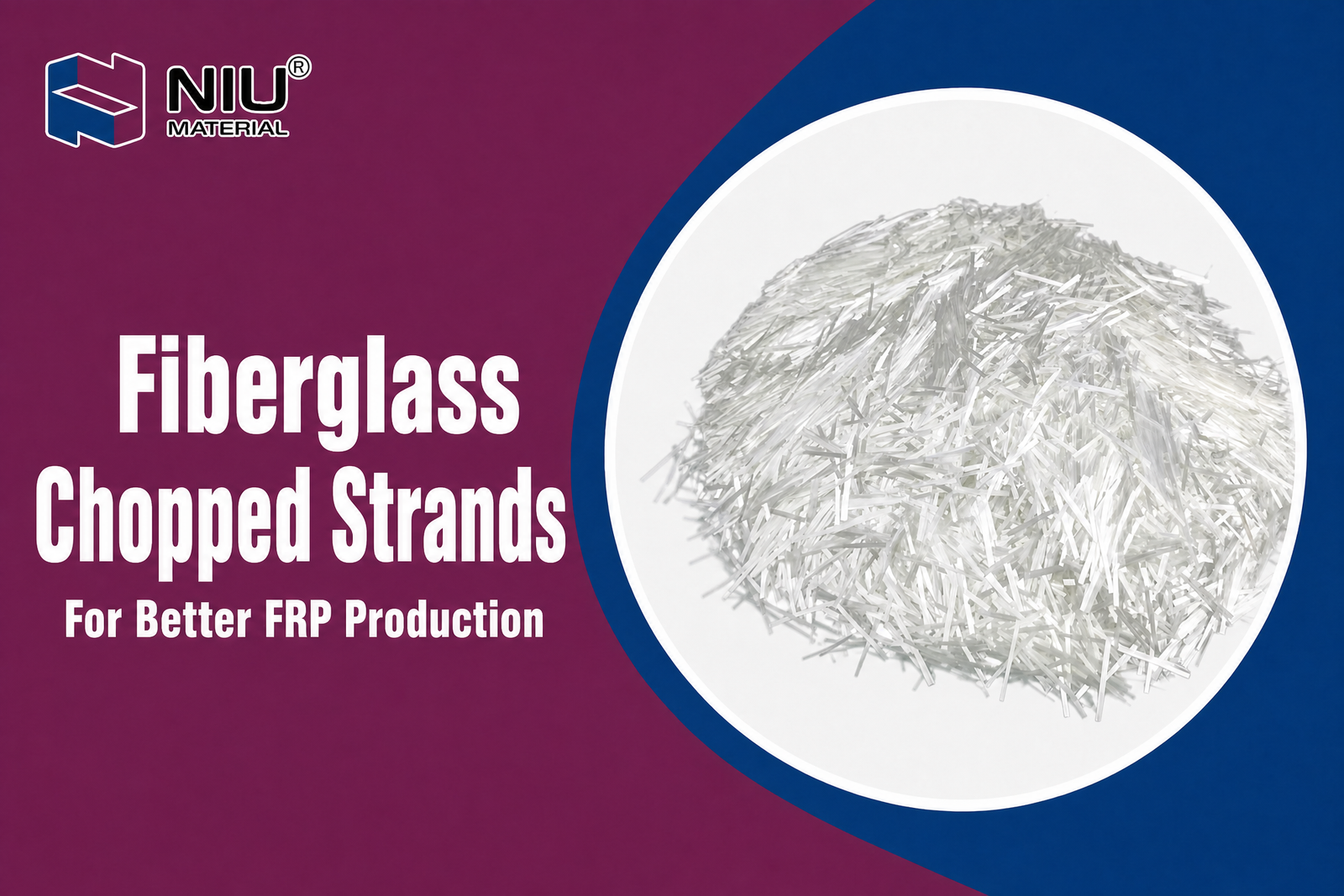
Woven roving can also be combined with chopped strand mat to create different laminate structures according to the requirements of specific areas of the hull.
For boat manufacturers, consistent weight, uniform fabric construction, and good resin wet-out are often more important than simply pursuing the lowest price.
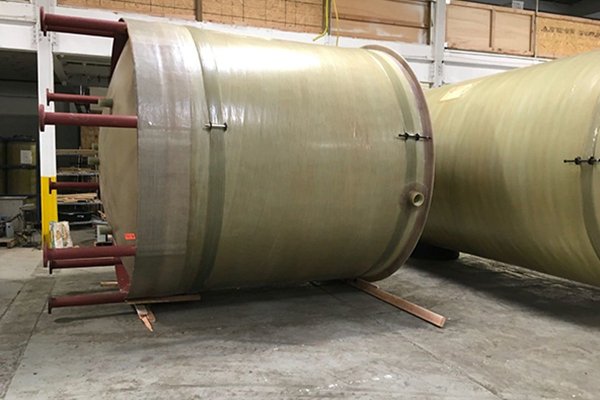
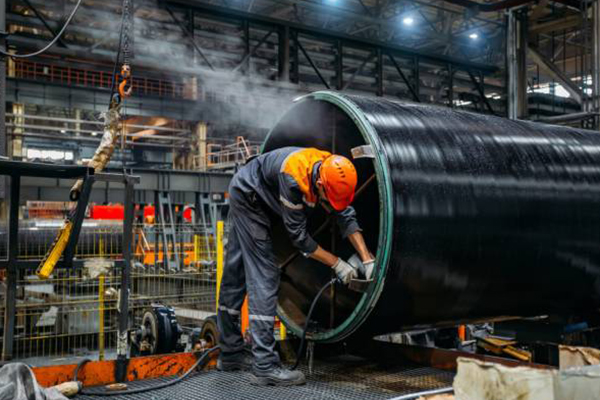
Fiberglass Woven Roving for FRP Tanks and Pipes
FRP tanks and pipes require long-term structural stability, making reinforcement quality and laminate consistency critical.
Fiberglass woven roving can be used in tank walls, pipes, and other structural areas to provide reliable mechanical reinforcement.
For large tank and pipe projects, buyers should also consider roll width, weight, roll length, and long-term supply stability.
Fiberglass Woven Roving for Construction Composites
Fiberglass woven roving is also used in selected construction composites and reinforcement structures.
For construction customers, consistency, handling efficiency, and batch stability are particularly important because large projects often require continuous supply of the same reinforcement specification.
Why Choose YUNIU Fiberglass for Your Woven Roving Supply?
As a professional fiberglass manufacturer, YUNIU Fiberglass supplies fiberglass reinforcement materials to FRP manufacturers, composite companies, wholesalers, and engineering customers.
We can provide fiberglass woven roving in different weights, widths, and packaging configurations, helping customers select products according to their actual production requirements.
From high-volume supply of standard specifications to specific requirements for FRP projects, our focus is on product consistency, supply stability, and long-term cooperation.
If you are looking for a fiberglass woven roving wholesale supplier or need woven roving for FRP boats, tanks, pipes, or other composite products, the right specification can be selected according to your product and manufacturing process.
Conclusion
Choosing fiberglass woven roving is not simply about comparing weight or price.
For FRP manufacturers and wholesale buyers, the more important goal is to find woven roving that matches their product structure, manufacturing process, reinforcement requirements, and purchasing volume.
Lighter woven roving can provide greater flexibility in laminate design, while higher-weight woven roving can meet greater reinforcement requirements. Stable fabric construction, good resin wet-out, and consistent product quality can further improve production efficiency and composite performance.
For long-term buyers, a valuable supplier should provide more than competitive pricing. Consistent quality, reliable supply, flexible specifications, and professional product support are equally important.