
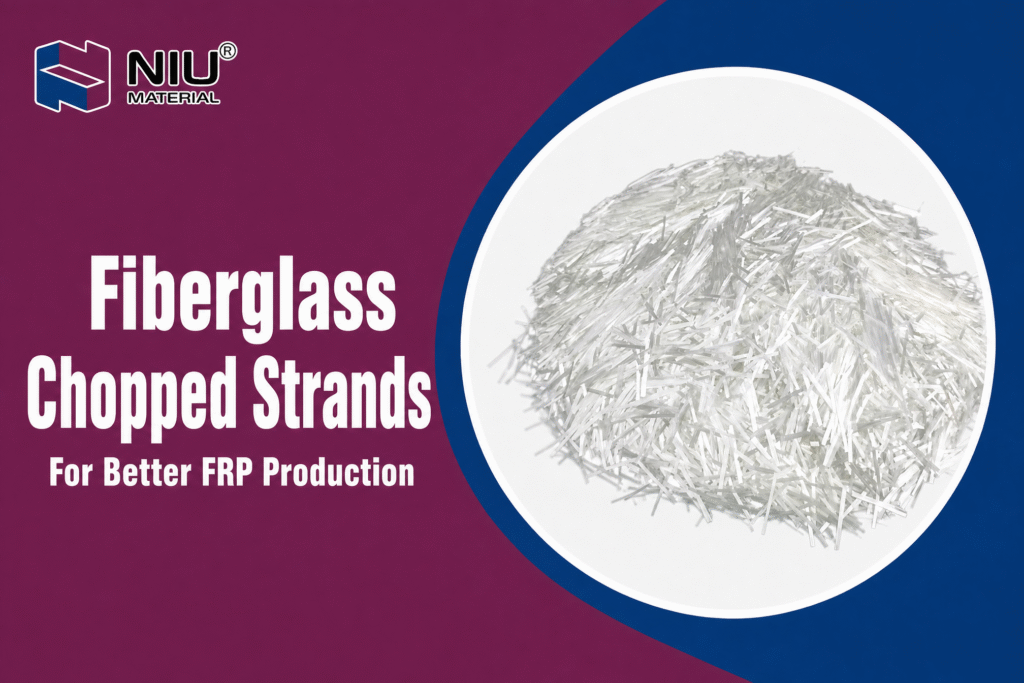
Introduce
For GRC manufacturers, precast concrete producers, and construction material suppliers, reinforcement is one of the key factors that determines the performance of the final product.
But choosing a reinforcement material is not simply about adding more fibers.
The fiber needs to work in the alkaline environment of cement, distribute effectively throughout the mixture, and fit the customer’s production process.
This is where AR fiberglass chopped strands become an important solution.
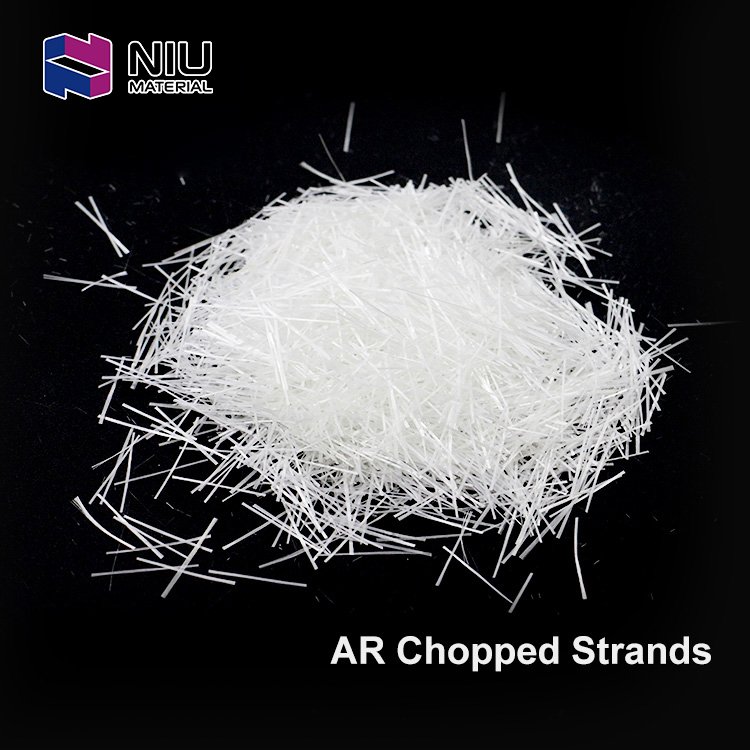
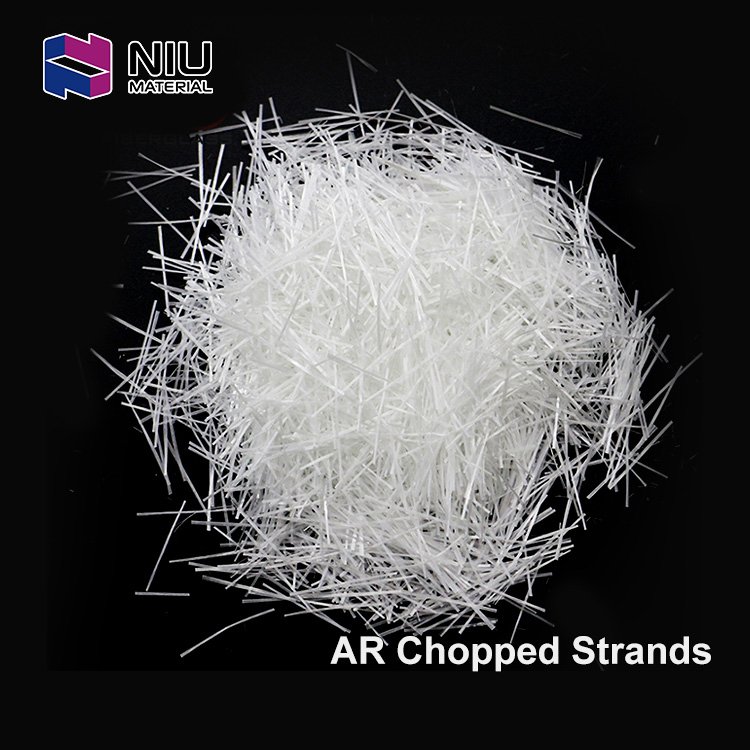
Compared with ordinary glass fiber, AR fiberglass chopped strands are specifically designed for cement-based applications where alkali resistance is important.
They are widely used in GRC products, concrete components, cement boards, mortar, and other construction materials.
For manufacturers, the real question is not simply whether fiberglass can be added to concrete.
The important question is whether the reinforcement can deliver stable performance throughout the product’s service life.
Why Ordinary Fiberglass Is Not Always the Right Choice for Cement Products
Cement-based materials create a demanding environment for reinforcement fibers.
The alkaline nature of cement can affect certain types of glass fiber over time.
For manufacturers producing long-life construction products, this is an important consideration.
AR fiberglass contains zirconia to provide enhanced resistance to the alkaline environment found in cement-based materials.
This makes AR fiberglass chopped strands particularly suitable for applications where glass fiber needs to remain effective inside a cement matrix.
For GRC and other cement-based products, material compatibility is not an optional feature.
It is part of the reinforcement solution.
Where AR Fiberglass Chopped Strands Make the Biggest Difference
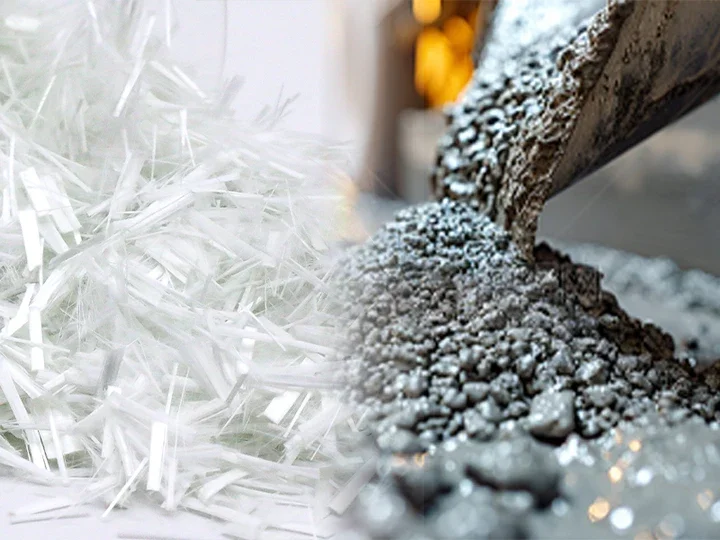
AR fiberglass chopped strands are used in a wide range of cement-based products.
However, several applications are particularly well suited to this material.
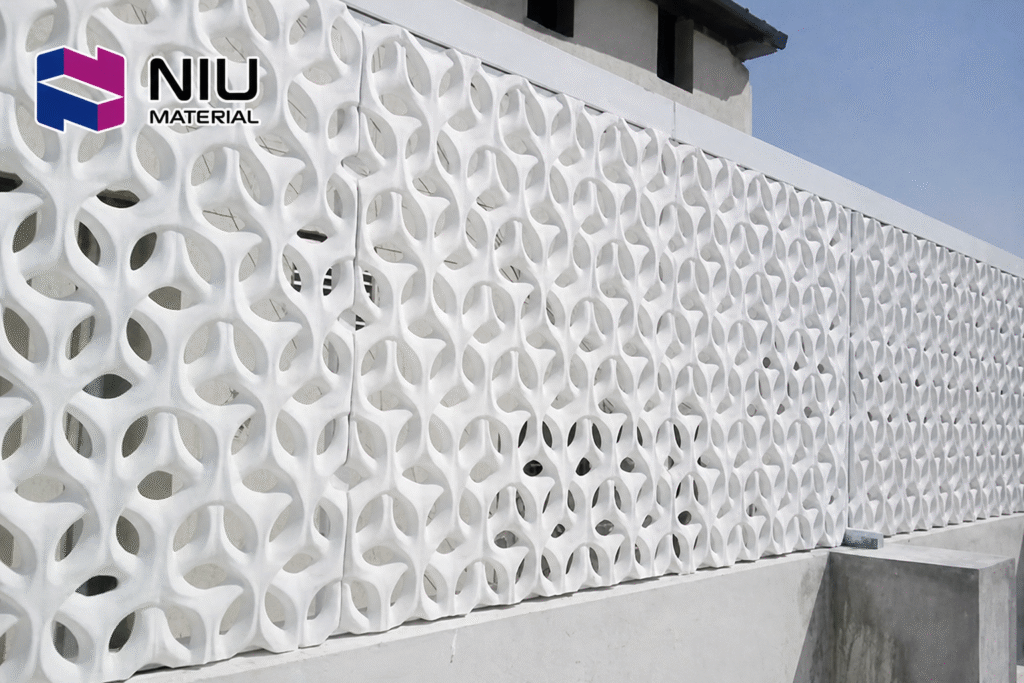
GRC Products
GRC is one of the most important applications for AR fiberglass.
It is commonly used in architectural panels, decorative elements, facades, columns, sculptures, and other lightweight cement-based products.
The reinforcement needs to work effectively within the cement matrix while supporting the design requirements of the finished product.
For GRC manufacturers, the right chopped strand can help create a better balance between reinforcement, workability, and production efficiency.
Cement Boards
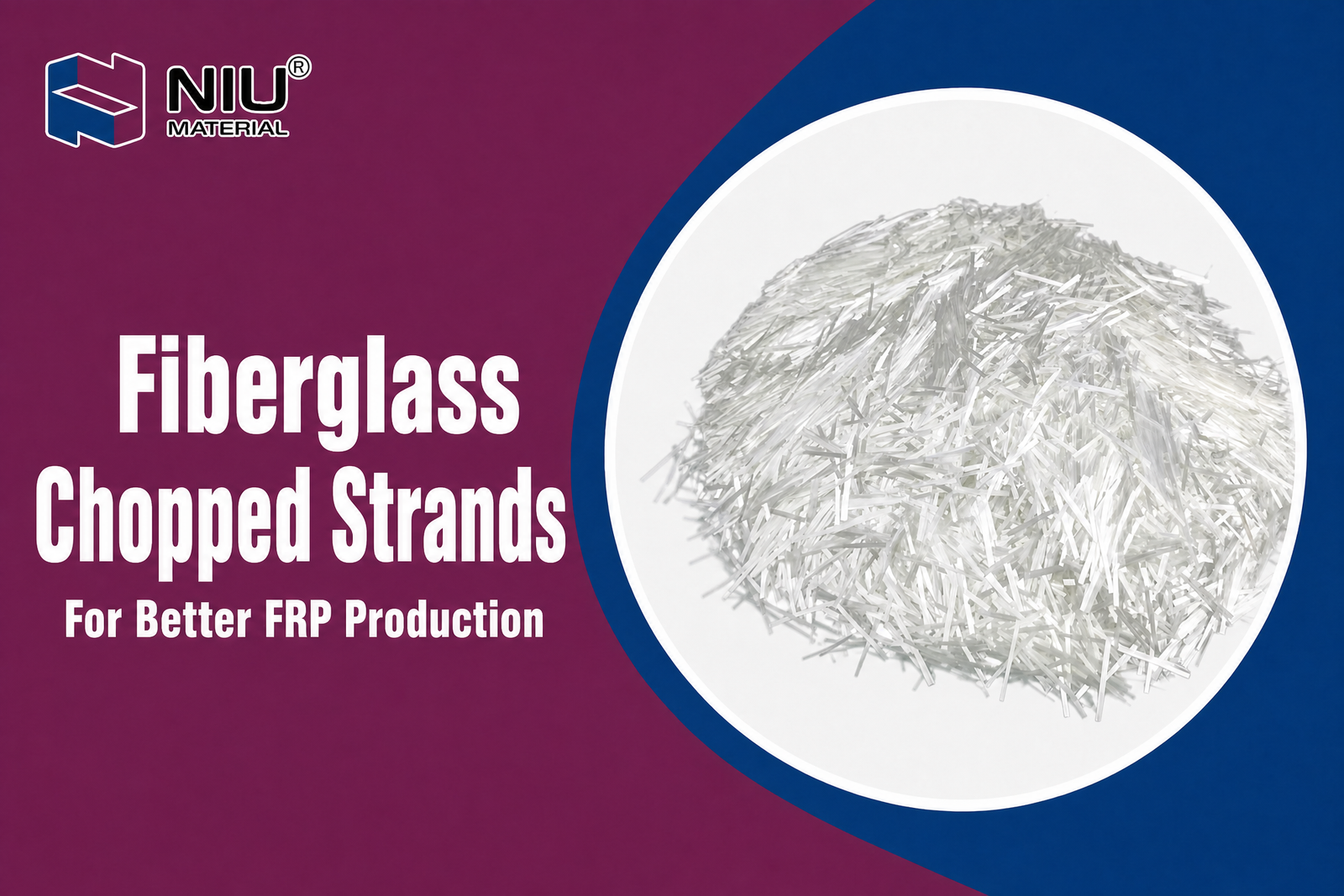
Fiber-reinforced cement boards require reinforcement that can be distributed throughout the cement matrix.
AR fiberglass chopped strands can be used to support the structural performance of cement-based board products.
For manufacturers producing boards in large volumes, consistent fiber quality and stable cutting length are particularly important.
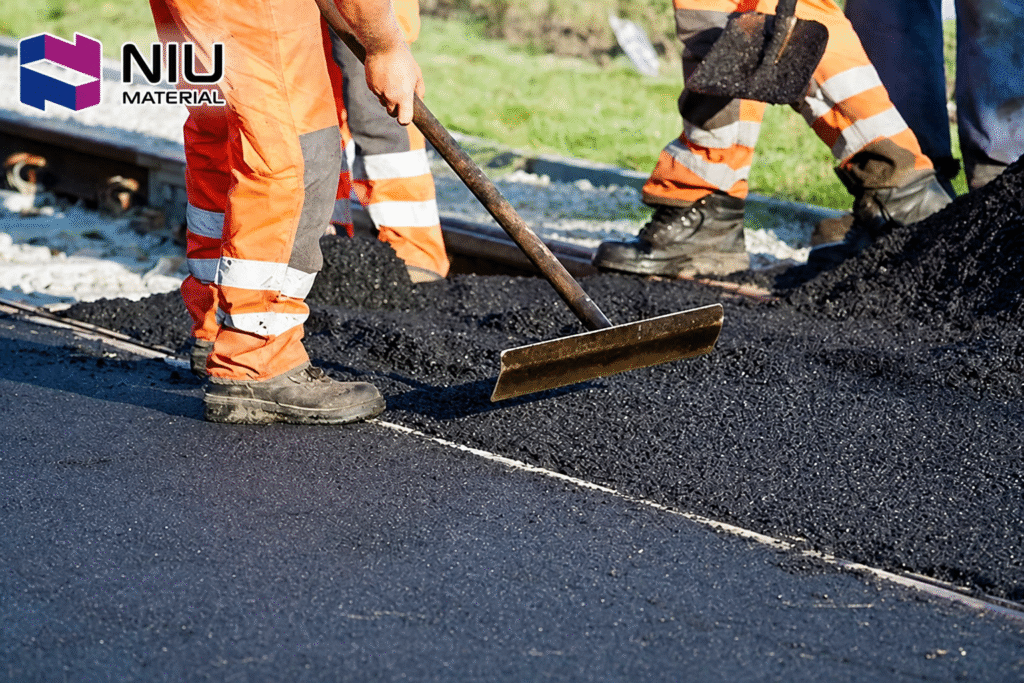
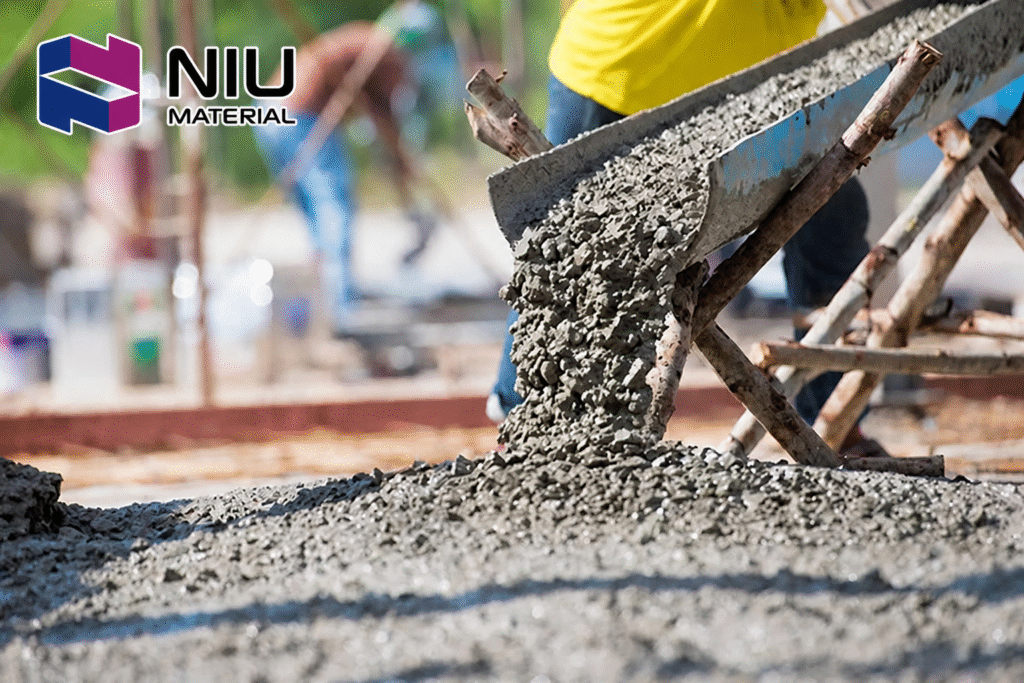
Mortar and Concrete Products
AR fiberglass chopped strands can also be incorporated into selected mortar and concrete formulations.
The goal is not simply to increase the amount of reinforcement, but to achieve an effective distribution of fibers throughout the material.
This makes fiber length, dispersion, and compatibility important considerations for manufacturers.
Fiber Length Matters More Than You Might Expect
One of the first questions buyers often ask is:
“What length of chopped strand should I use?”
There is no single answer for every application.
Different production processes and material formulations can require different fiber lengths.
Shorter strands can be easier to distribute throughout certain mixes, while longer strands may be selected when a different reinforcement structure is required.
Common considerations include:
Product thickness
Mixing method
Cement formulation
Production equipment
Required reinforcement
Final product design
For this reason, manufacturers should select chopped strand length according to the actual production process rather than simply choosing the most common specification.
What Should GRC Manufacturers Look for When Buying AR Fiberglass?
Price is naturally important for any manufacturer.
But when purchasing reinforcement materials for continuous production, several other factors deserve equal attention.
Alkali Resistance
The first consideration is whether the fiberglass is designed for cement-based applications
For GRC products, alkali resistance is a fundamental requirement.
Chopped Strand Consistency
Consistent fiber length and product quality can help maintain more stable mixing and production.
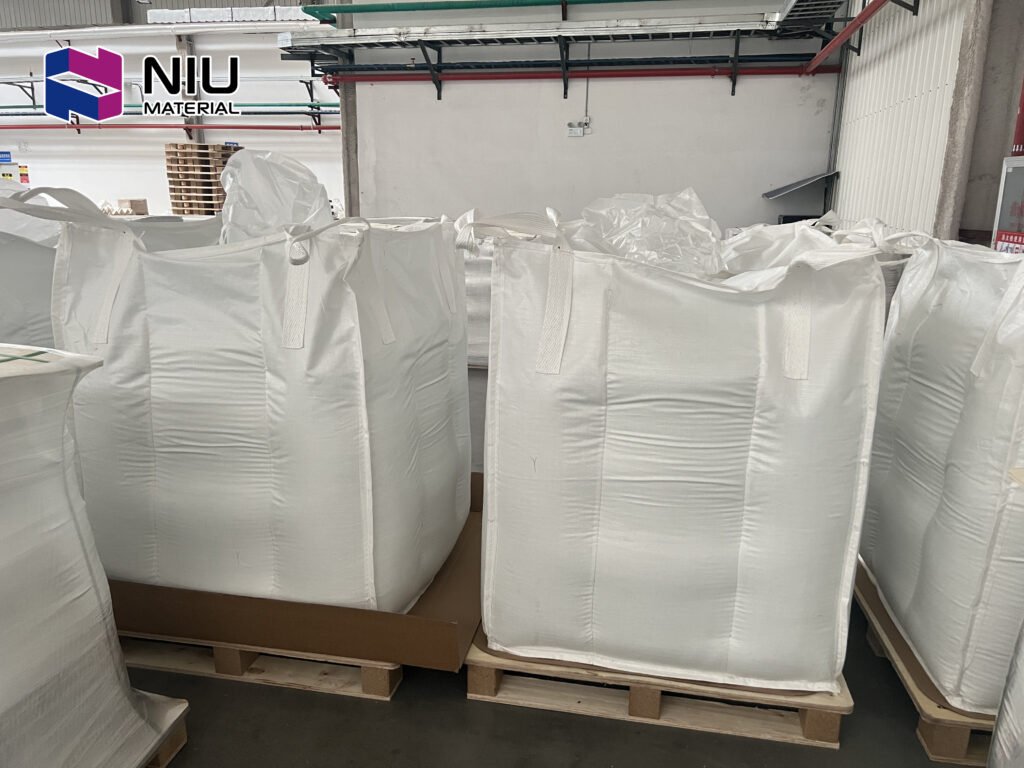
Packaging and Storage
Proper packaging is important for protecting the fiberglass during transportation and storage.
For wholesale buyers, packaging should also support efficient warehouse handling.
Supply Stability
For manufacturers with regular production schedules, running out of reinforcement material can interrupt the entire production process.
Reliable supply is therefore an important part of the purchasing decision.
A Reliable AR Fiberglass Partner for GRC Manufacturers
For manufacturers, a fiberglass supplier should be more than a company that simply provides a standard product.
The right supplier should understand how the material will be used and provide suitable solutions according to the customer’s production requirements.
As a professional fiberglass manufacturer and supplier, we provide AR fiberglass chopped strands for GRC manufacturers, cement product producers, construction material companies, and distributors.
We focus on consistent product quality, stable specifications, and reliable supply to support customers’ long-term production.
Whether you are producing GRC panels, decorative components, cement boards, mortar products, or other fiber-reinforced cement materials, we can help you find a suitable AR fiberglass chopped strand solution.
In Conclusion
For GRC and cement-based products, reinforcement needs to work with the material, the production process, and the final product.
AR fiberglass chopped strands provide a practical reinforcement solution for manufacturers loroduction process.
We can help you find the right fiberglass reinforcement solution for your business.