
Introduce
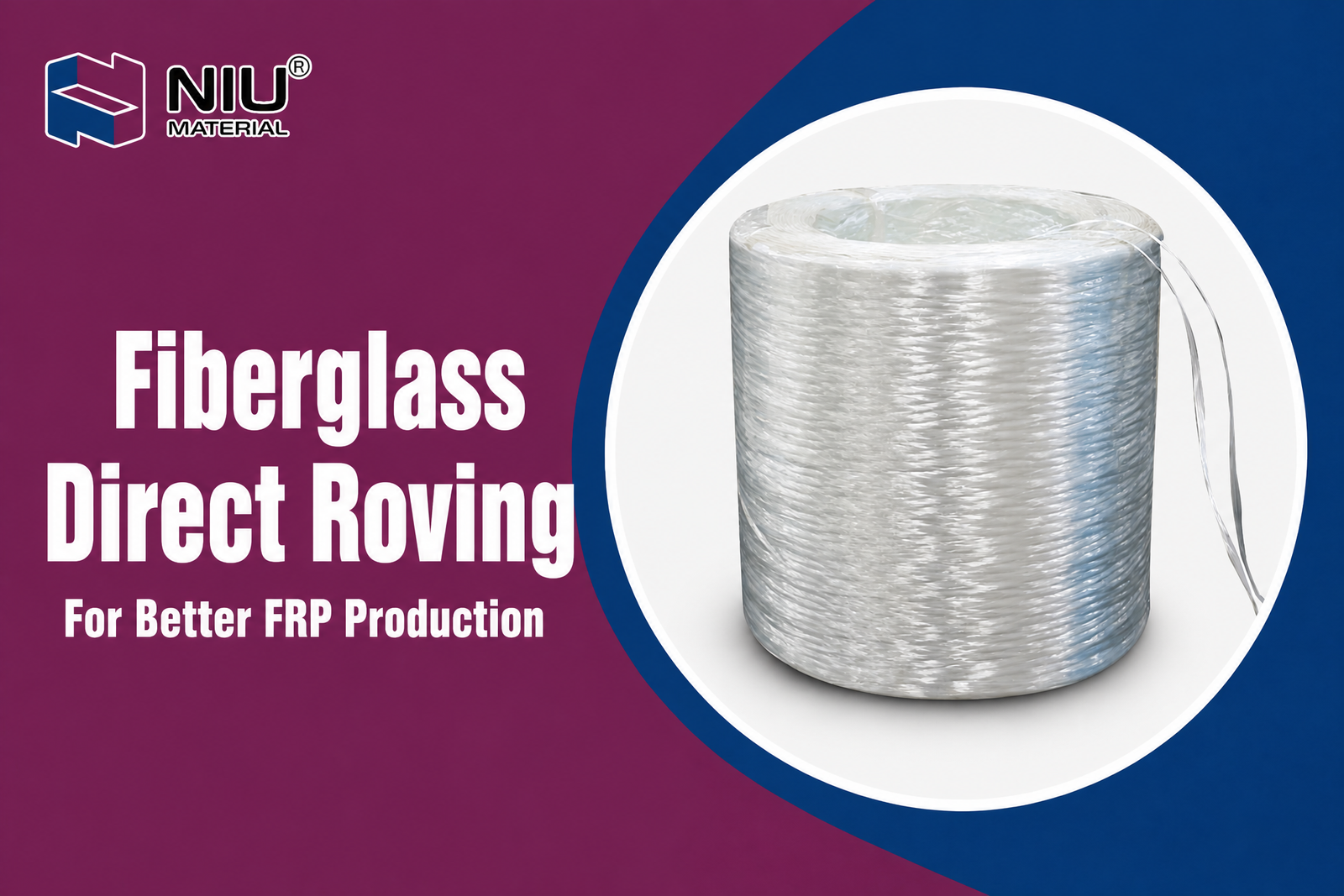
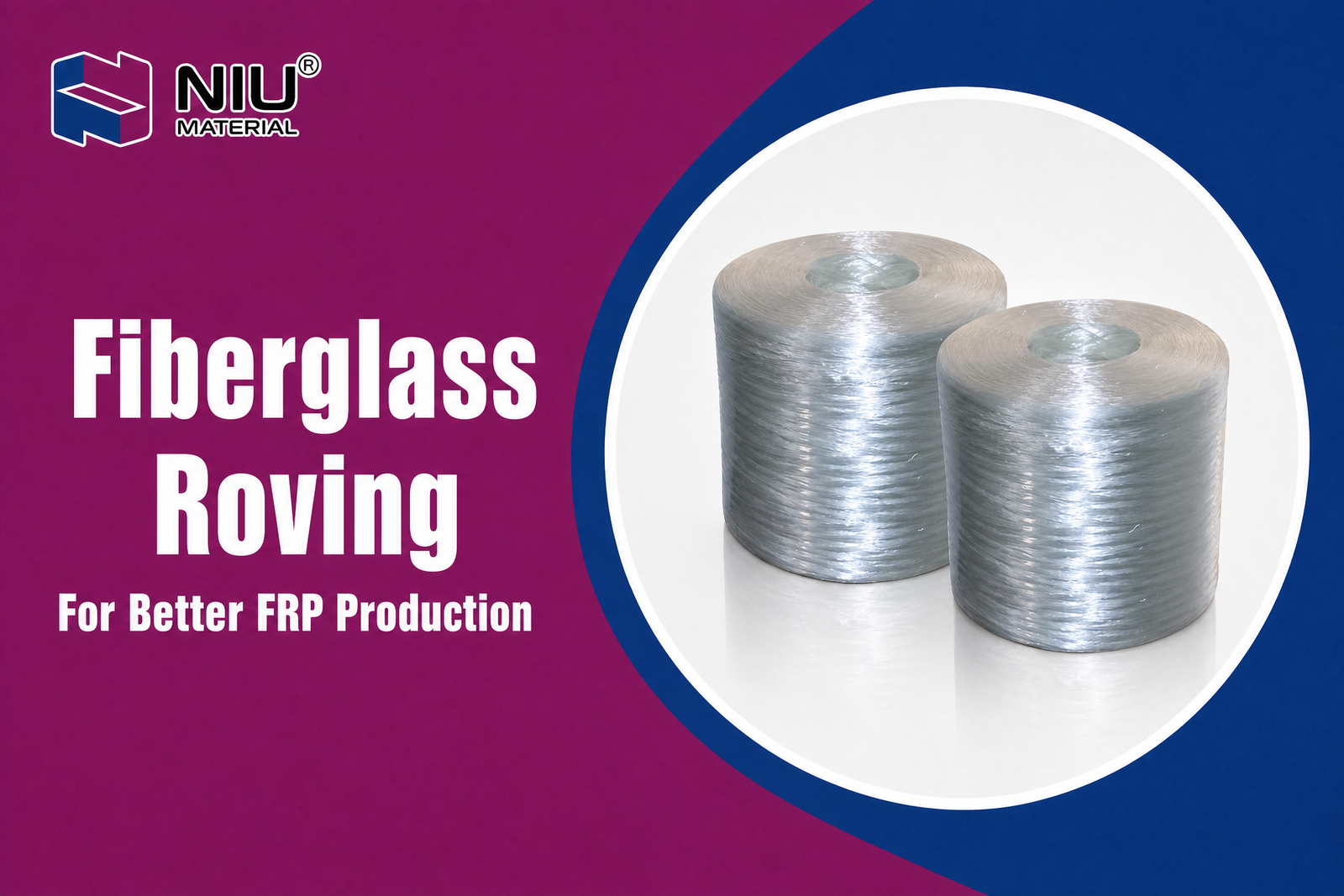
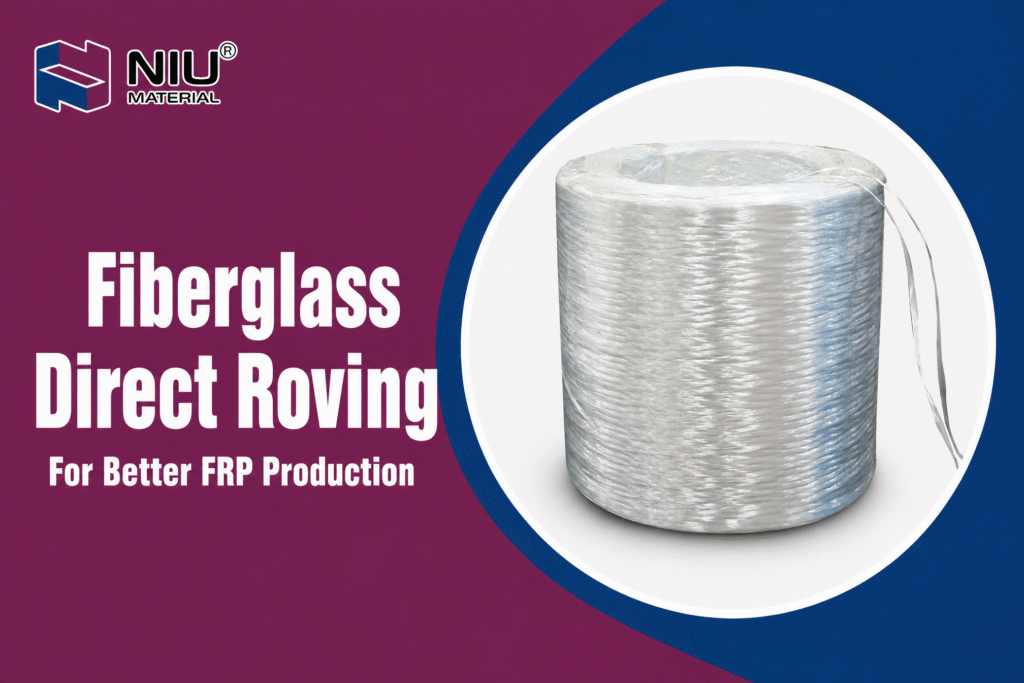
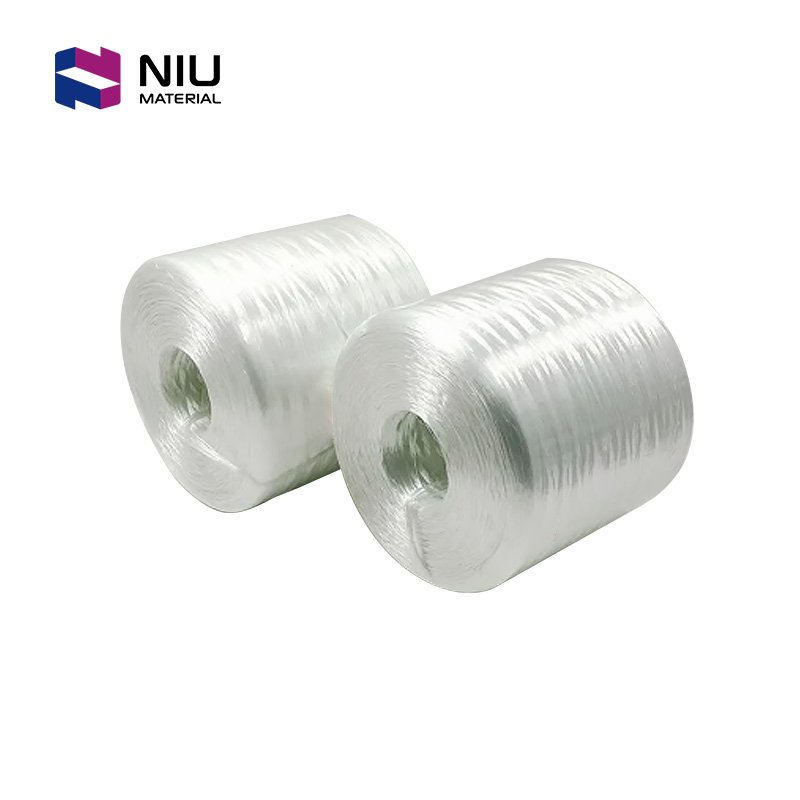
For many FRP manufacturers, fiberglass direct roving is one of the most frequently purchased raw materials.
However, purchasing direct roving is not always as simple as comparing tex specifications and prices.
Two rovings may look similar before production, but their performance during processing can lead to completely different results. Production efficiency, resin compatibility, fiber distribution, and finished product consistency can all affect the final manufacturing experience.
For manufacturers producing FRP pipes, tanks, profiles, and other composite products, the right fiberglass direct roving is not simply a reinforcement material.
It is part of the production system.
This article looks at fiberglass direct roving from the perspective that matters most to manufacturers: how it performs in real production and how to find a product that fits your business.

Your Production Process Starts With the Right Material
In composite manufacturing, production problems do not always start with machines or operators.
Sometimes, the material itself can influence the entire production process.
For fiberglass direct roving, manufacturers often pay attention to what happens after the product enters the production line.
Questions such as these are more important than simply looking at the product before purchase:
Does the roving run smoothly during production?
Does it work well with the resin system?
Can the specification remain consistent between different batches?
Can it support continuous production?
For high-volume manufacturers, these factors can have a direct impact on production efficiency.
Fiberglass Direct Roving Is Used Where Strength Meets Production Efficiency
Fiberglass direct roving is widely used in products that require reliable reinforcement and efficient manufacturing.
From industrial pipes to structural profiles, manufacturers use direct roving to create composite products with different shapes and performance requirements.
Typical applications include:
FRP Pipes
Direct roving can be used as an important reinforcement material in pipe manufacturing.
For pipe manufacturers, stable processing is especially important because production is often continuous.
Composite Tanks
Storage tanks often require a carefully designed reinforcement structure.
The right fiberglass direct roving can support manufacturers during the composite production process.
Pultruded Profiles
Pultrusion production requires continuous reinforcement.
Because the process is designed for continuous manufacturing, material consistency can play an important role in maintaining production efficiency.
Industrial Composite Products
Different industrial products may have different requirements for thickness, structure, reinforcement level, and production method.
This is why direct roving should be selected based on the final product rather than simply based on a standard specification.
The Specification You Choose Can Affect More Than You Think
When purchasing fiberglass direct roving, tex is often one of the first specifications buyers ask about.
But tex is only one part of the purchasing decision.
A manufacturer also needs to consider how the roving will work inside the complete production process.
For example, the final product may have requirements related to:
Product structure
Manufacturing speed
Resin system
Production method
Reinforcement requirements
Finished product quality
This is why two customers using the same production equipment may still require different fiberglass direct roving specifications.
Fiberglass Direct Roving Solutions Designed Around Your Production
A good fiberglass supplier should understand that customers do not all use the same production method.
That is why product selection should begin with the customer’s application.
As a professional fiberglass manufacturer and supplier, we provide fiberglass direct roving solutions for different composite manufacturing requirements.
Our goal is not simply to offer a standard product.
Our goal is to help customers find a direct roving that fits their production process.
Whether you manufacture FRP pipes, tanks, pultruded profiles, or other composite products, the right material selection can support more stable production and consistent product quality.
In Conclusion
Fiberglass direct roving may be only one material in the production process, but its performance can influence the entire manufacturing system.
The right product is not simply about choosing a certain tex or finding the lowest price.
It is about finding a material that matches your:
Production process
Composite application
Resin system
Product requirements
Production volume
Long-term supply needs
The right fiberglass direct roving should work with your production—not create additional challenges for it.
If you are looking for fiberglass direct roving for your FRP or composite production, simply tell us what product you manufacture and how you produce it.
Our team can help you match a suitable direct roving solution based on your actual production requirements.