Why Are South African Manufacturers Choosing Fiberglass Reinforcement for Electrical Conduits?
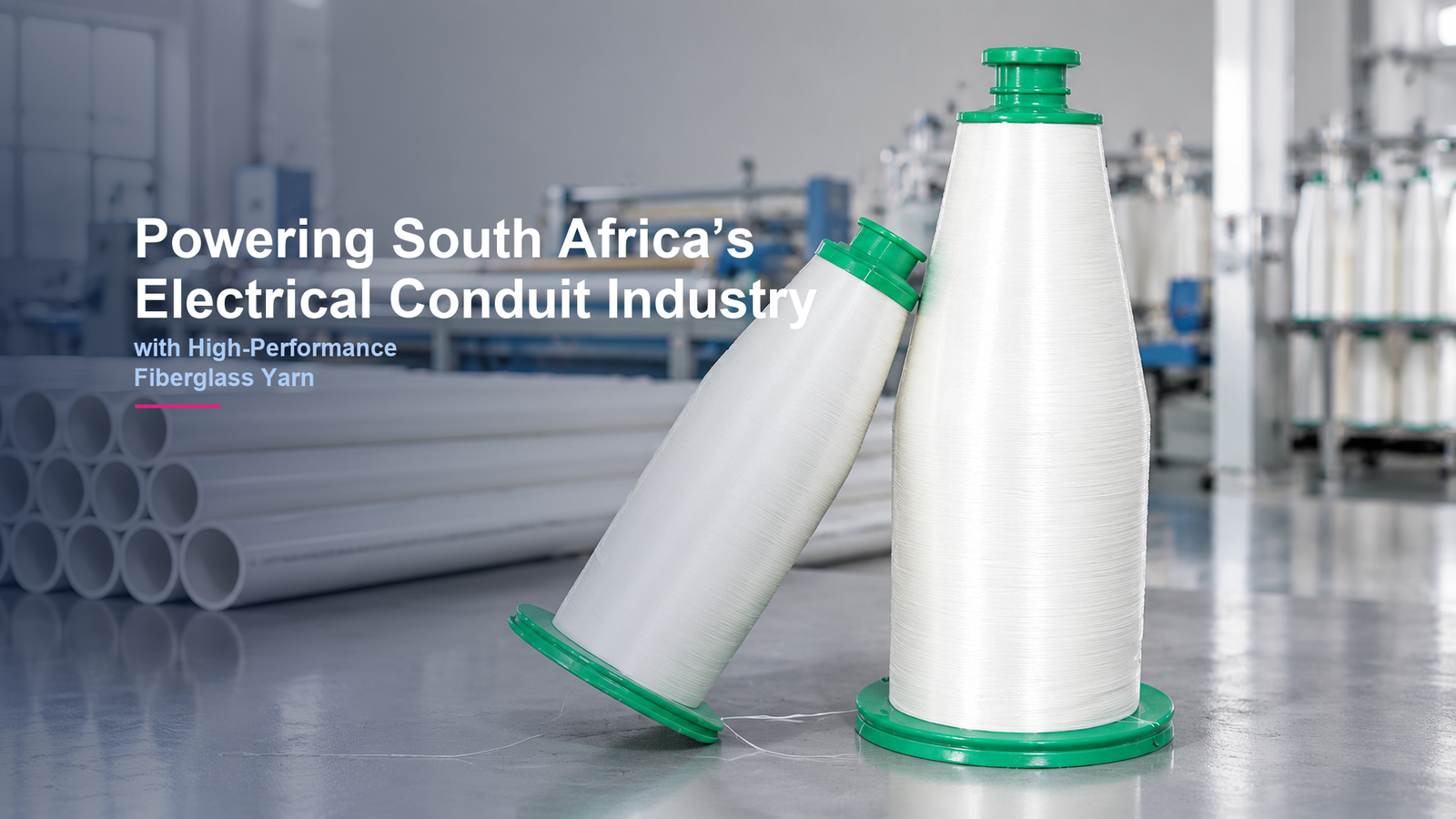
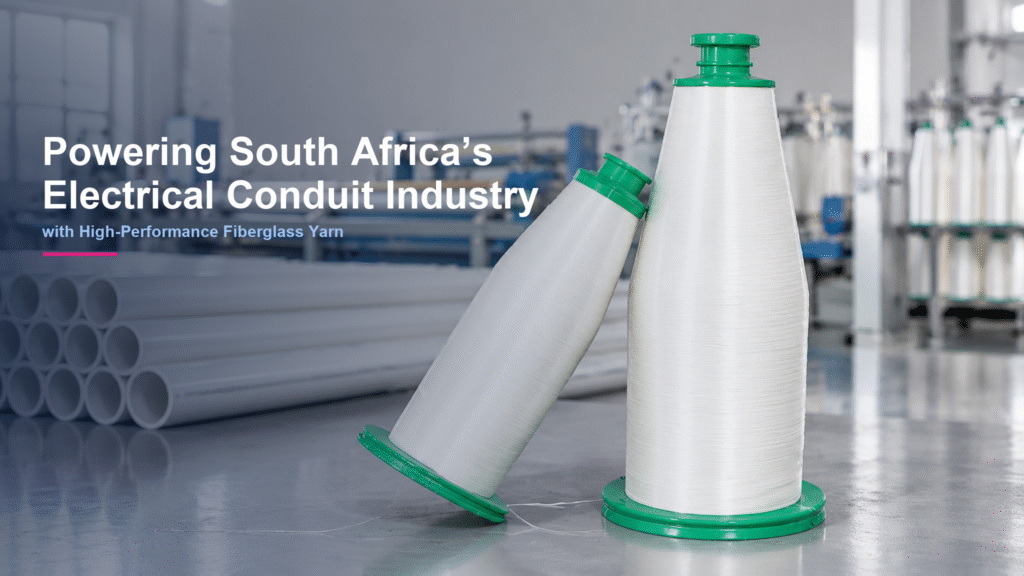
South Africa’s industrial development, mining operations, commercial construction, and electrical infrastructure projects create demand for durable electrical conduit systems. For manufacturers producing fiberglass-reinforced plastic (FRP) electrical conduits, selecting the right fiberglass yarn is an important part of achieving consistent product quality.
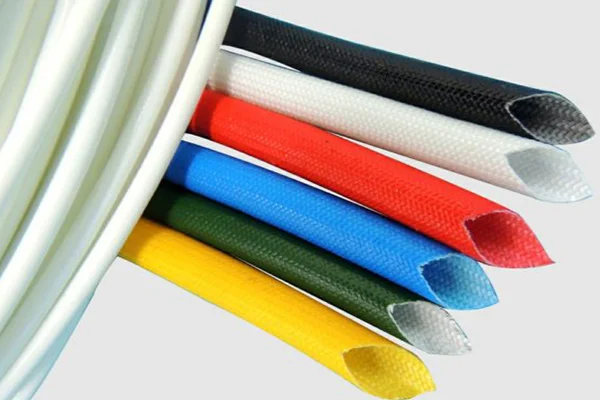
Unlike ordinary plastic conduits, FRP electrical conduits use fiberglass reinforcement combined with resin to create a structure with higher stiffness, better heat resistance and better corrosion resistance; against steel conduit, an equivalent wall section is considerably lighter. Fiberglass yarn provides part of that reinforcement and, together with mat or wound layers, improves the mechanical properties of the finished conduit.
During production, fiberglass yarn is combined with resin through processes such as pultrusion, filament winding, or braiding followed by coating. Axial load is mainly carried by roving, while yarn contributes to surface coverage, hoop reinforcement, and — in braided or sleeved constructions — the protective layer itself. This is why yarn quality shows up directly in wall uniformity, roundness, and surface finish.
What Are the Key Performance Requirements for Fiberglass Yarn Used in Electrical Conduits?
For FRP electrical conduit manufacturers, fiberglass yarn needs to meet specific processing and performance requirements. The quality of the yarn can influence both manufacturing efficiency and the final properties of the conduit.
Several factors are particularly important:
Tensile strength and elongation: Together they reinforce the conduit structure and define the usable tension window on the machine, helping the product withstand mechanical stress during handling, installation, and service.
Resin compatibility: Suitable sizing helps the yarn achieve effective bonding and impregnation with the resin system (polyester, vinyl ester, or epoxy), contributing to composite strength.
Low fuzz and stable unwinding: These characteristics help reduce fiber breakage and interruptions during continuous production.
Consistent yarn tension: Stable tension supports uniform fiber distribution and consistent wall thickness.
Structural and dimensional consistency: Fiberglass reinforcement helps maintain wall thickness and roundness of the finished conduit under load and after curing.
Thermal class and flame retardancy: Electrical conduit is a safety-related component, so the yarn must be compatible with the flame-retardant system and the thermal class required by the finished product.
For manufacturers in South Africa, choosing yarn according to the actual conduit design and production process is more important than simply selecting a product based on price.
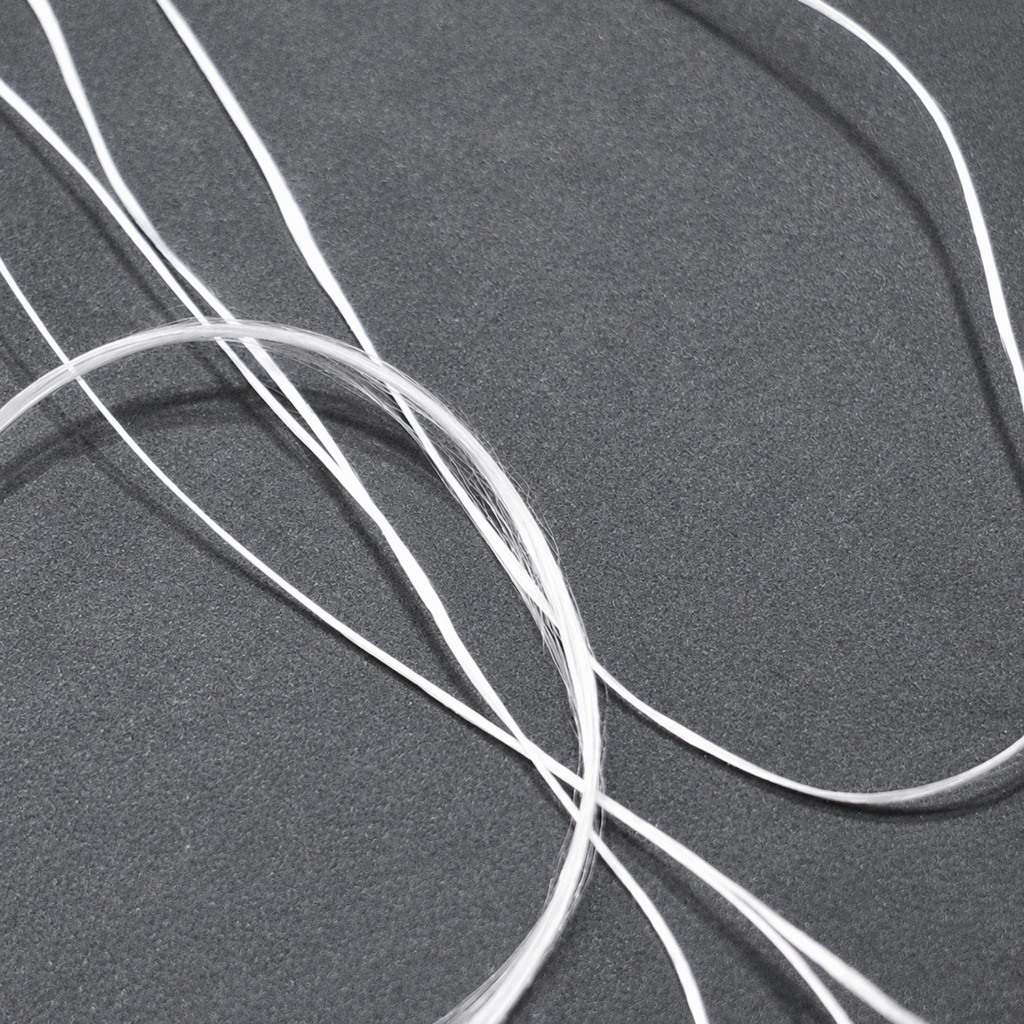
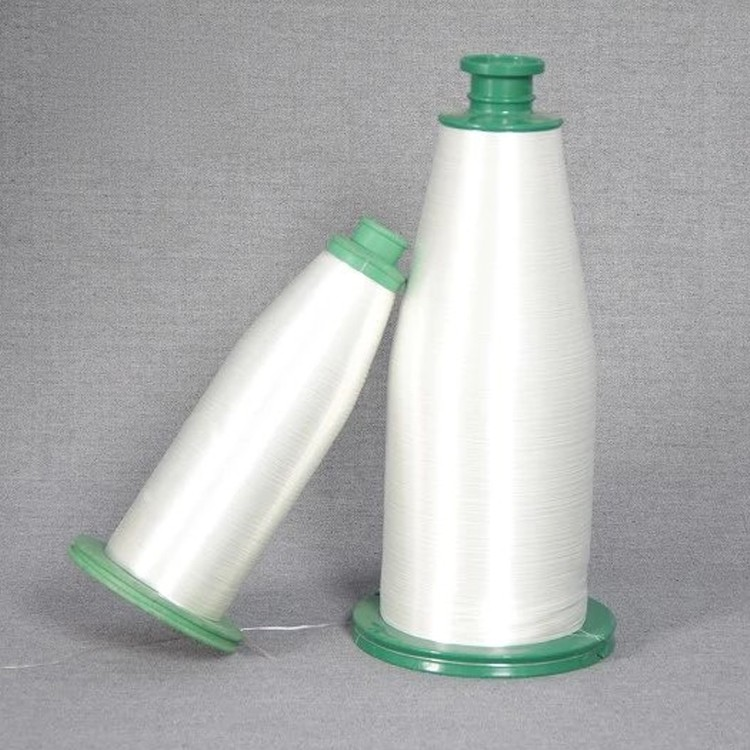
How Does Fiberglass Yarn Perform in Different Electrical Conduit Manufacturing Processes?
Different FRP electrical conduit manufacturing processes have different requirements for fiberglass yarn.
Pultrusion Process
In pultrusion manufacturing, roving and fiberglass yarn are continuously pulled through a resin bath and a heated forming die. Roving carries the axial load, while yarn contributes to surface coverage and, where a braided or stitched layer is used, to hoop reinforcement. The yarn must maintain stable tension, consistent unwinding, and good resin impregnation throughout the process.
Filament Winding Process
For filament-wound electrical conduits — particularly small-diameter, thin-wall products — multi-strand fine yarn is wound around a rotating mandrel at a controlled angle. Yarn strength, tension stability, and resin compatibility are important for achieving the required structural performance.
The winding pattern and fiber orientation influence the mechanical properties of the finished conduit.
How Can Manufacturers Select the Right Fiberglass Yarn for Electrical Conduit Production?
Choosing fiberglass yarn for electrical conduit manufacturing requires consideration of the production equipment, resin system, and finished-product requirements.
Before purchasing, manufacturers should pay attention to the following specifications:
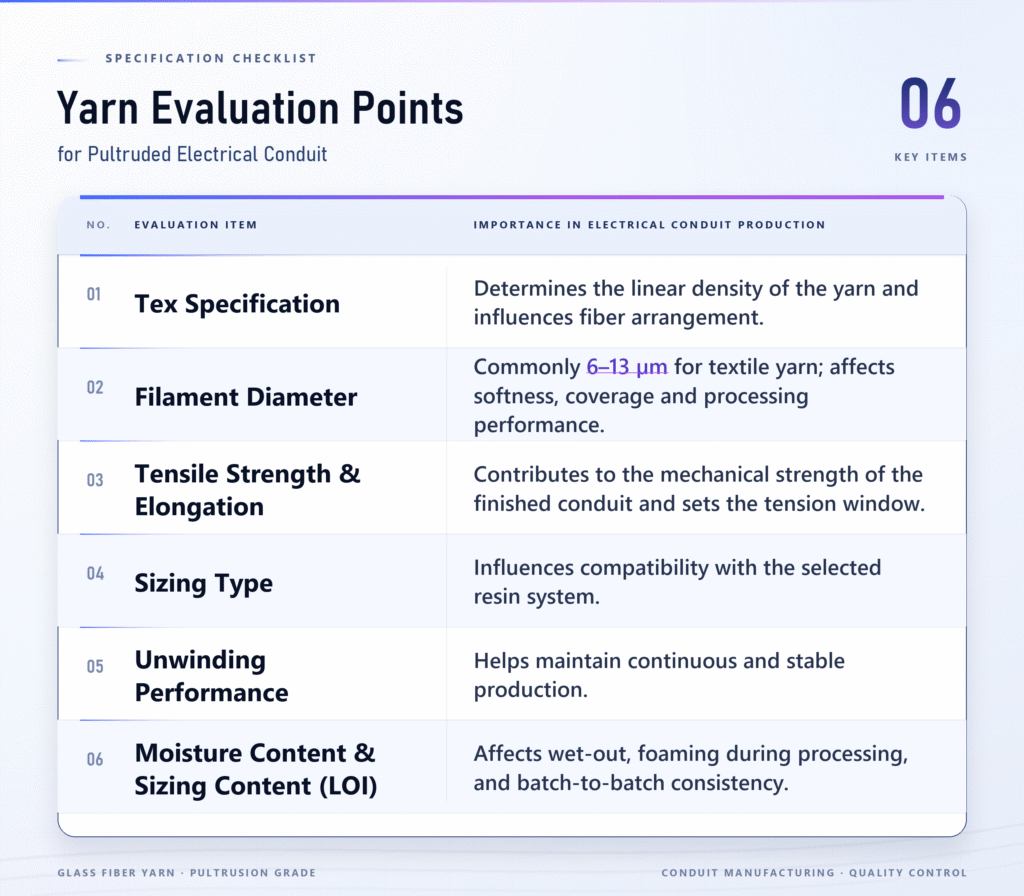
For example, yarn used with polyester or vinyl ester resin may require a different sizing formulation from yarn designed for epoxy resin systems.
The appropriate tex specification also depends on the conduit diameter, wall thickness, reinforcement design, and manufacturing equipment.
Therefore, manufacturers should confirm their production requirements before deciding on the final yarn specification.
Why Is a Reliable Fiberglass Yarn Supplier Important for South African Electrical Conduit Manufacturers?
For electrical conduit manufacturers, a reliable raw material supplier is essential for maintaining continuous production and consistent product quality.
YUNIU is a professional fiberglass manufacturer with more than 20 years of industry experience, integrating manufacturing, R&D, sales, and customer service.
We understand that different electrical conduit manufacturers may have different requirements for yarn specifications, resin compatibility, and processing performance.
Our advantages include:
Manufacturing experience: More than 20 years of experience in fiberglass manufacturing.
Specification flexibility: Yarn specifications can be discussed according to different production requirements.
Quality management: ISO 9001 quality management system and relevant product certifications.
Export experience: Products supplied to customers in more than 128 countries.
Application support: Assistance in evaluating suitable fiberglass yarn according to the customer’s production process and resin system.
For manufacturers in South Africa, our goal is to provide dependable fiberglass yarn and support long-term production requirements.