Introduce
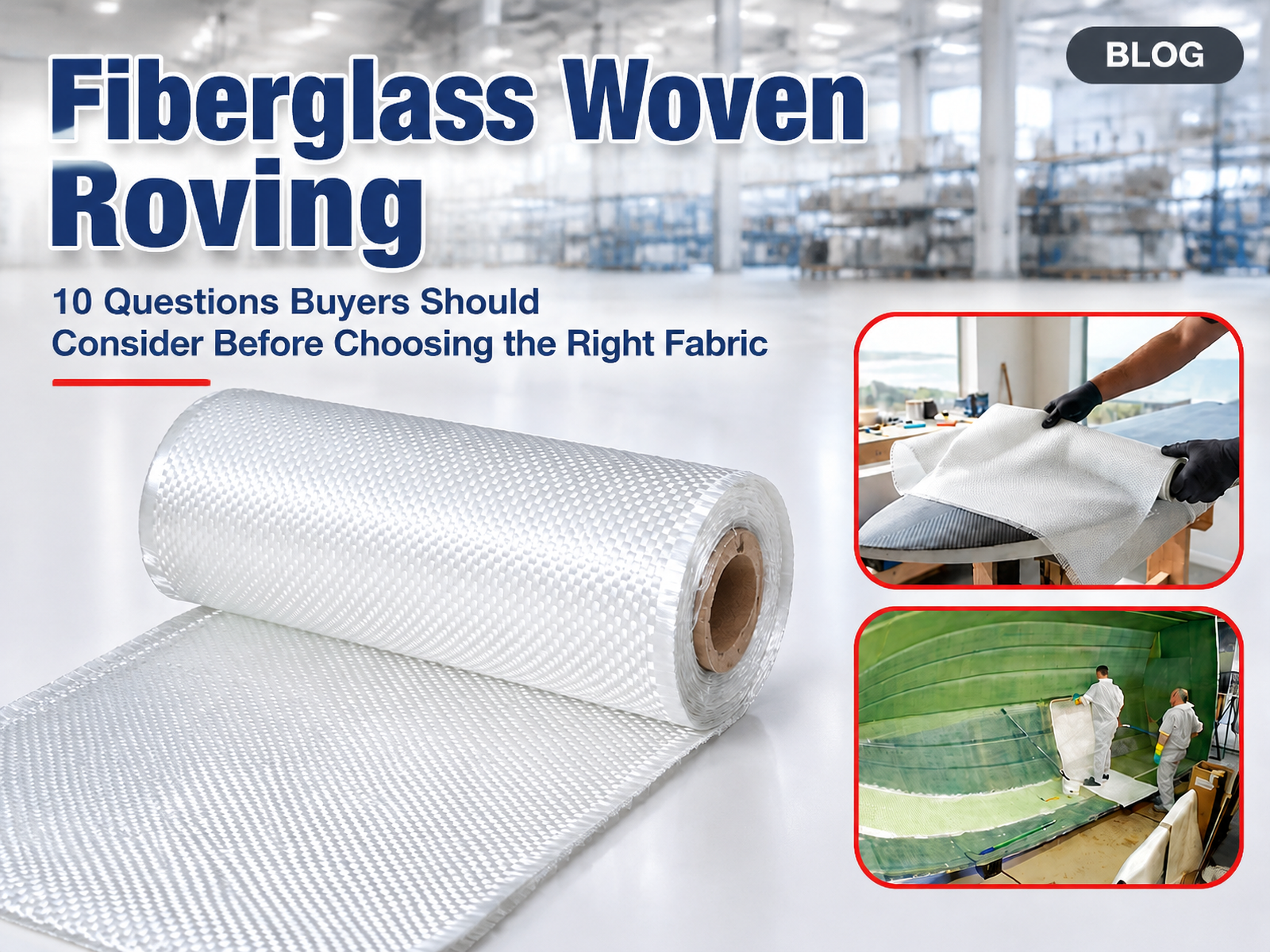
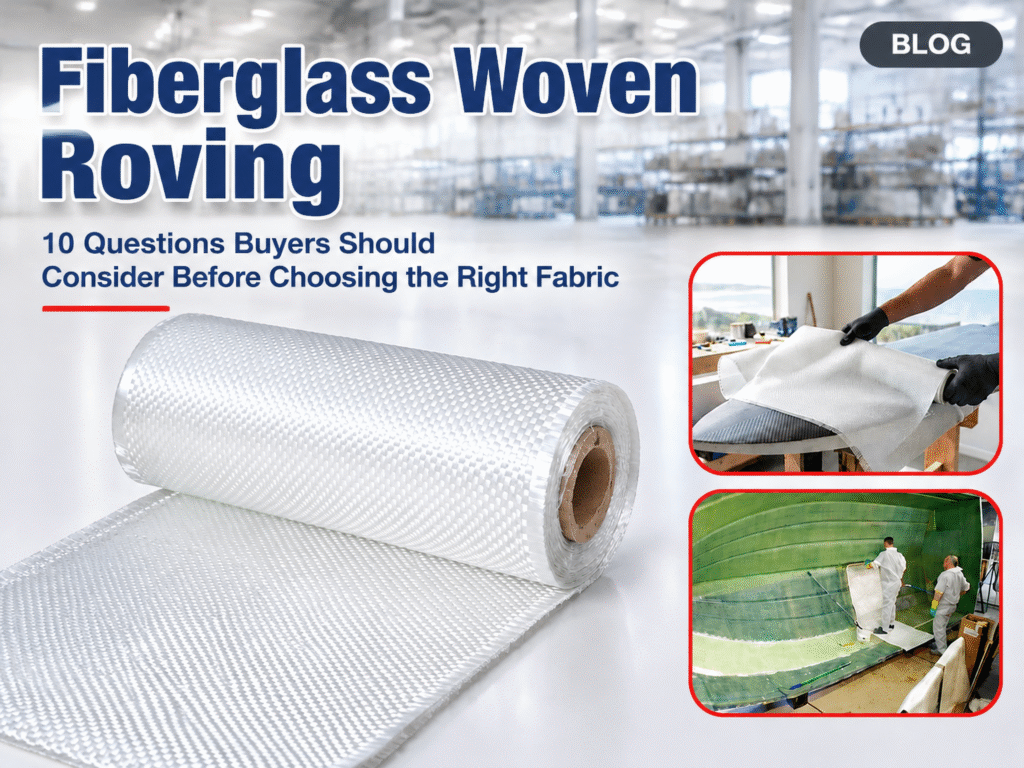
Fiberglass woven roving is widely used in the manufacturing of FRP products, including boats, storage tanks, pipes, panels and other composite structures. However, choosing the right fabric involves more than simply comparing weight and price. Weave structure, resin compatibility, fiber distribution and production methods can all influence the quality of the final product.
If you are purchasing woven roving for your production line, understanding these factors can help you select the right material, improve production efficiency and avoid unnecessary material costs.
This article answers 10 practical questions that buyers and FRP manufacturers often consider when selecting and using fiberglass woven roving.


Is Fiberglass Woven Roving Suitable for My FRP Manufacturing Process?
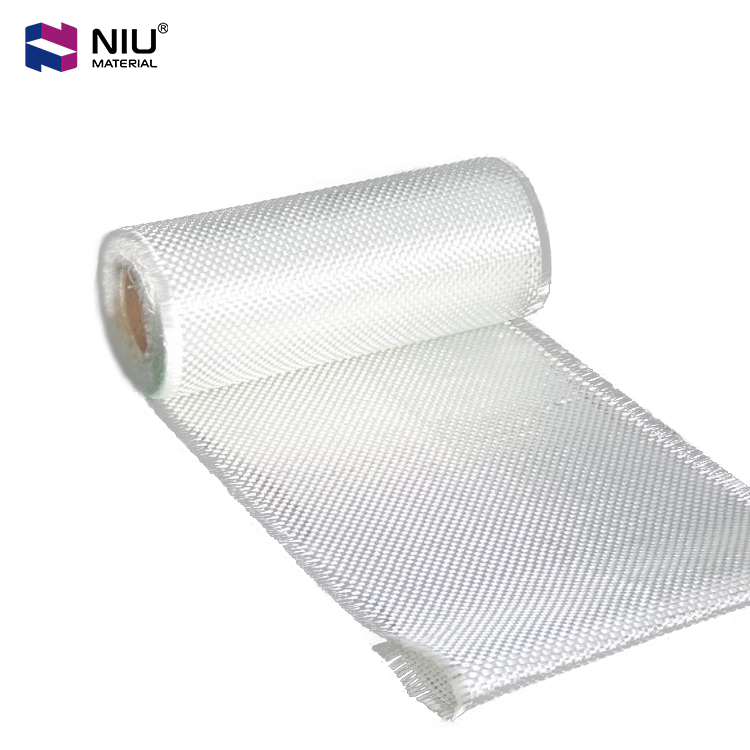
Fiberglass woven roving is made by weaving continuous fiberglass rovings in two directions: warp and weft. This structure provides good tensile strength in both directions and makes it suitable for manufacturing large, strong FRP components.
It is commonly used in:
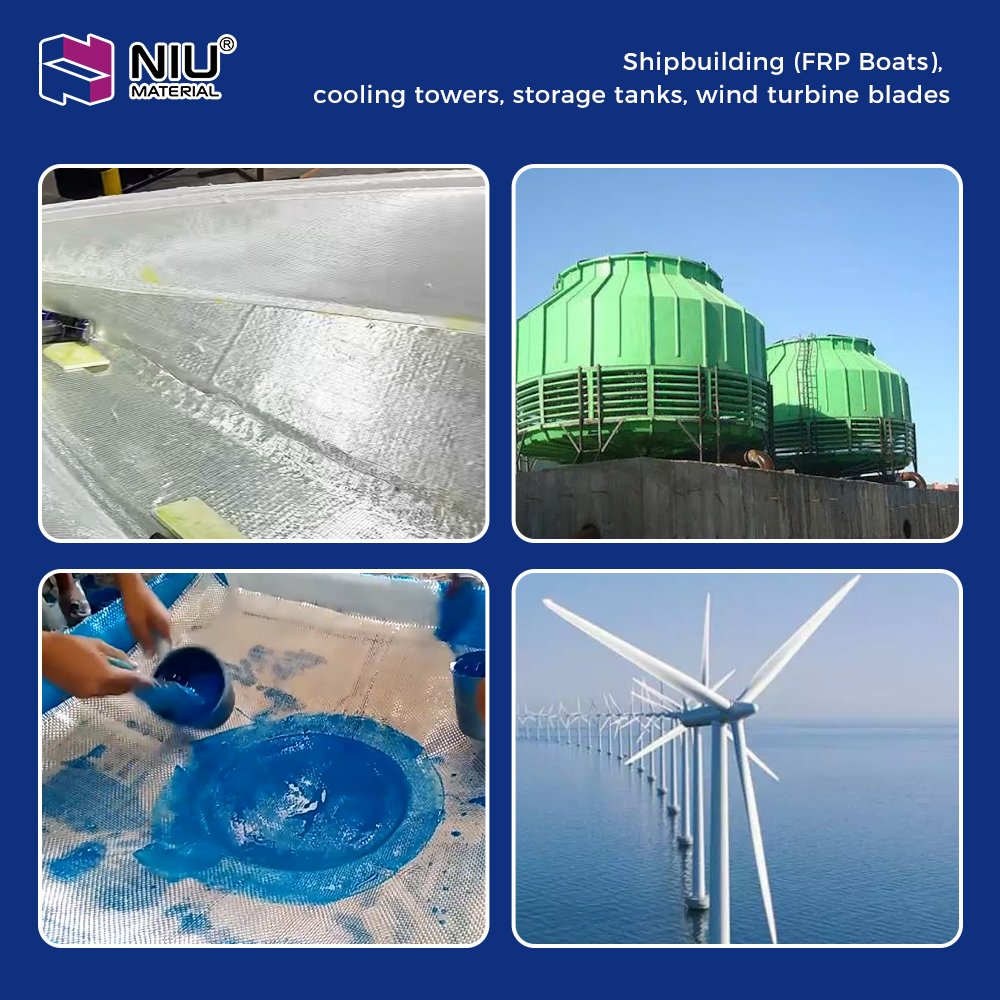
Boat hulls: Reinforcing the hull structure and improving mechanical strength.
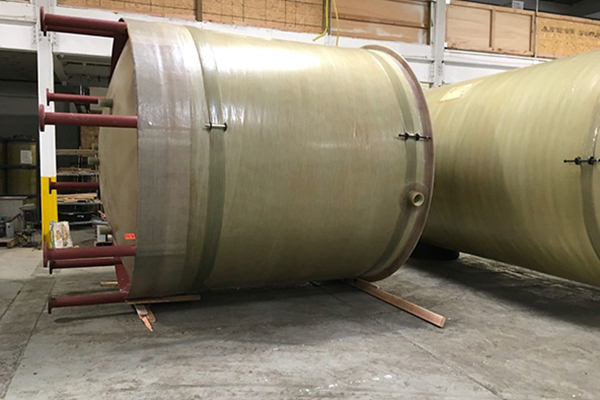
Storage tanks: Reinforcing tank walls to withstand mechanical loads.
FRP pipes:Providing structural reinforcement for pipe walls.
Swimming pools: Reinforcing pool shells to improve structural strength and durability.
Woven roving is particularly useful when your product requires continuous reinforcement and good strength in both fabric directions.
However, the best reinforcement depends on the product design and manufacturing process. For example, complex shapes may require additional reinforcement materials with better drapability.


What Is the Difference Between 200g, 400g and 600g Woven Roving?
The main difference is the fabric weight per square meter, also known as GSM. A higher GSM generally means more fiberglass material per unit area, which can influence laminate thickness, reinforcement content and resin consumption.
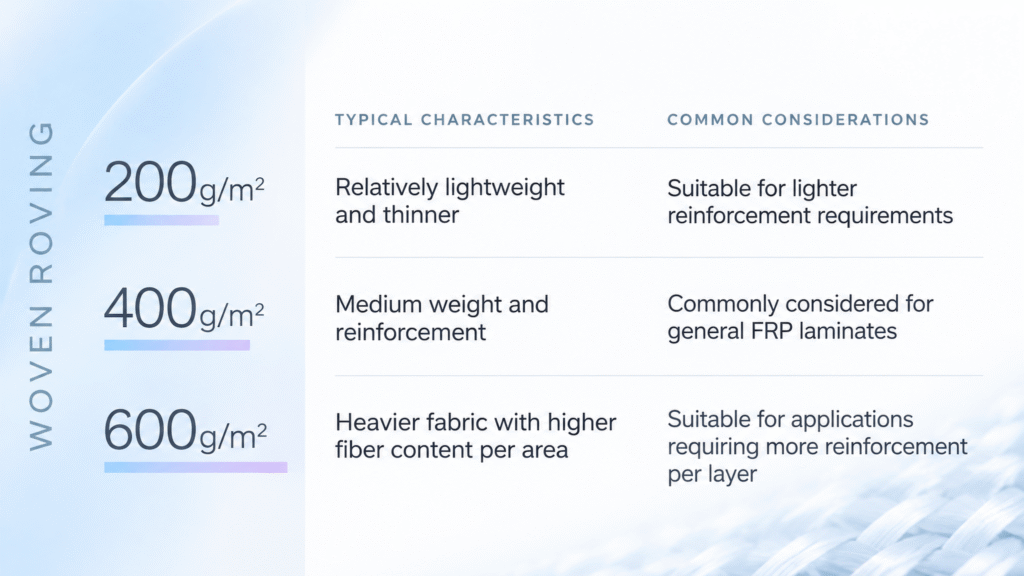
A higher weight does not automatically mean a better product. If your mold has complex curves or your process requires thinner laminates, a lighter fabric may be easier to handle.
Your choice should be based on the required laminate thickness, mechanical performance, number of reinforcement layers and production method.
Should I Choose Plain Weave or Twill Weave?
The weave pattern affects how the fabric behaves during handling, cutting and molding.
Plain Weave
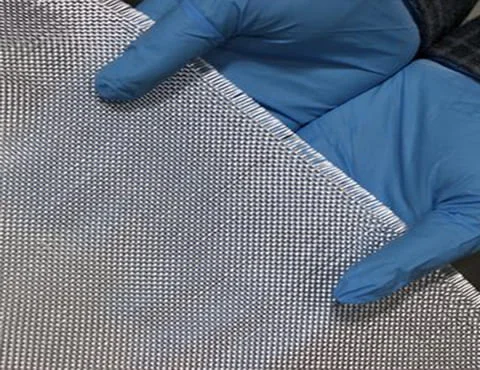
Plain weave has a simple structure in which each warp yarn alternately passes over and under each weft yarn. It provides a stable and uniform fabric structure and is commonly used in general FRP applications.
Twill Weave
Twill weave creates a diagonal pattern on the fabric surface. Depending on the yarn and fabric construction, it may offer better flexibility and drapability, making it easier to fit certain curved surfaces.
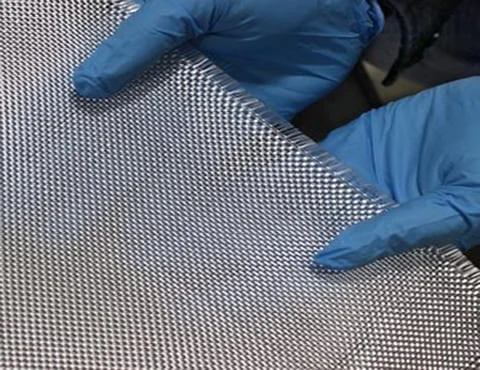
Which one should you choose?
If you are manufacturing flat panels or products with relatively simple shapes, plain weave may be sufficient. For products with more complicated contours, twill weave may be worth evaluating.
The final decision should also consider fabric weight, thickness, resin compatibility and the requirements of your molding process.
Why Does Woven Roving Sometimes Leave Dry Spots in the Finished Product?
Dry spots occur when resin does not fully penetrate or wet out the fiberglass fabric. This can result in areas with exposed or insufficiently impregnated fibers, potentially affecting the appearance and mechanical performance of the finished laminate.
Several factors may contribute to this problem:
Incorrect resin viscosity: Resin that is too viscous may penetrate the fabric less easily.
Insufficient resin application: Not enough resin may leave parts of the fabric inadequately impregnated.
Fabric construction: Fabric thickness, yarn arrangement and surface characteristics can influence resin penetration.
Improper rolling or consolidation: Inadequate air removal and consolidation may leave dry areas or voids.
To reduce dry spots, check resin compatibility, control resin viscosity and application, and ensure proper rolling or consolidation during production.
It is also useful to evaluate the fabric through a small production trial before using it in large-scale manufacturing.
How Does Woven Roving Weight Affect the Thickness and Strength of FRP Products?
Woven roving weight influences the amount of fiberglass reinforcement in each layer. When the resin system and processing conditions are comparable, a heavier fabric generally introduces more fiber mass per unit area.
This can influence:
Laminate thickness: Heavier fabrics generally contribute more material to each reinforcement layer.
Fiber content: Fabric weight affects the amount of reinforcement available in the laminate.
Resin demand: The amount of resin required depends on the fabric construction, fiber content and target laminate design.
Mechanical performance: The final strength depends on fiber orientation, resin-to-fiber ratio, consolidation quality and the overall laminate design.
It is important to remember that increasing fabric weight alone does not guarantee a proportional increase in product strength. The complete laminate design and manufacturing conditions matter.
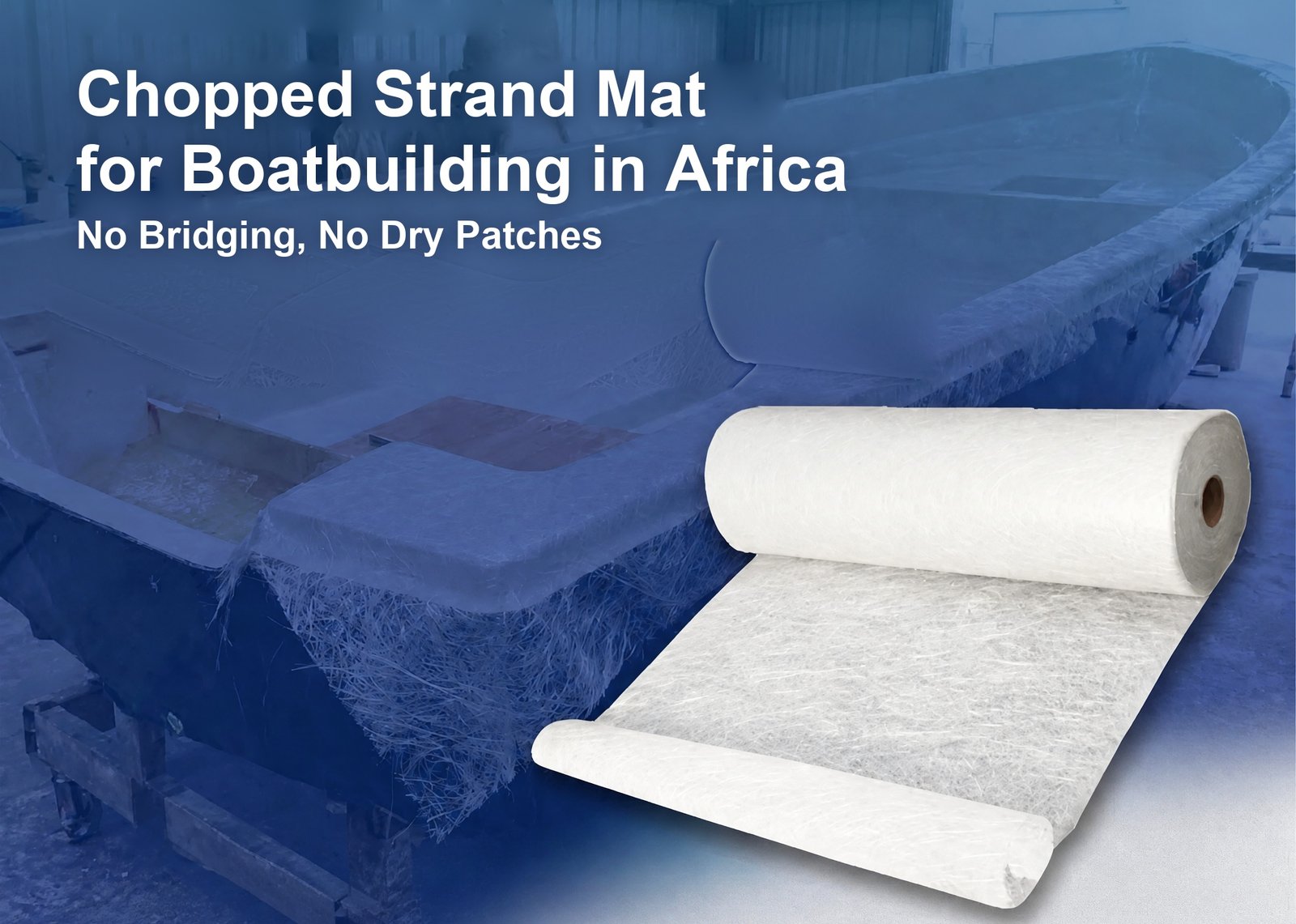
Can Woven Roving Be Used Together with Chopped Strand Mat?
Yes. Woven roving and chopped strand mat are often combined in FRP manufacturing because they provide different reinforcement characteristics.
Woven roving provides continuous reinforcement in the warp and weft directions, while chopped strand mat consists of randomly distributed chopped fibers and provides more multidirectional reinforcement.
Using both materials can help manufacturers balance strength, surface characteristics and laminate construction.
For example, a manufacturer may use chopped strand mat and woven roving in alternating layers, depending on the required product structure.
However, the sequence and number of layers should be determined by the product design and manufacturing process rather than following a fixed formula.

How Do I Choose the Right Woven Roving for Boats, Tanks and Pipes?
Different FRP products have different structural requirements, so the same woven roving specification may not be suitable for every application.
Boat Manufacturing
Boat hulls often contain curved surfaces and complex structures. Fabric flexibility, drapability, resin wet-out and laminate strength should all be considered.
Storage Tank Manufacturing
Tank structures need to meet specific requirements for mechanical loads and service conditions. Fabric weight, layer arrangement and resin compatibility should be evaluated according to the tank design.
FRP Pipe Manufacturing
Pipe production may involve winding or other specialized processes. The reinforcement material should be compatible with the production equipment, winding angle and structural design.
Before selecting a specification, it is useful to clarify your product type, manufacturing method, resin system and required mechanical performance.
Why Is Resin Consumption Different When Using Different Woven Rovings?
Resin consumption is not determined by fabric weight alone. It is also affected by yarn structure, fabric thickness, weave pattern, resin viscosity and the target fiber-to-resin ratio.
For example, two fabrics with the same GSM may have different resin wet-out behavior because their yarn arrangements and fabric constructions are not identical.
If your resin consumption is higher than expected, consider checking:
Whether the resin viscosity is suitable for the process.
Whether the fabric is being over-saturated during application.
Whether the fiber-to-resin ratio matches the laminate design.
Whether the rolling and consolidation process is properly controlled.
A small-scale trial using the actual resin system can help you compare different fabric specifications and estimate material consumption more accurately.
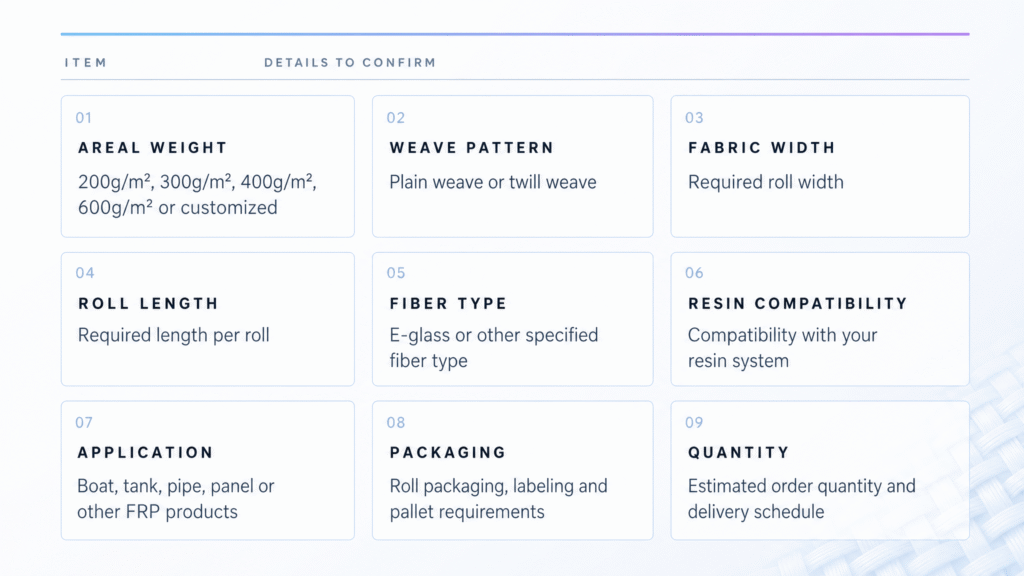
What Should I Confirm Before Ordering Woven Roving in Bulk?
Before placing a bulk order, make sure the fabric specifications match your production requirements. Clear specifications can help reduce misunderstandings and improve consistency between batches.
Final Thoughts: Choose Woven Roving Based on Your Production Needs
Choosing the right fiberglass woven roving is about finding the right balance between reinforcement performance, resin compatibility, processing efficiency and overall production cost.
A fabric with a higher weight or lower unit price is not necessarily the most economical option. What matters is how well it performs in your actual production process and whether it helps you achieve consistent product quality.
At YUNIU, we supply fiberglass woven roving for various FRP applications. Different fabric weights, widths and specifications can be discussed according to your production requirements.
Looking for woven roving for your next FRP project?
Share your application, required GSM, fabric width and estimated quantity with us. We will help you identify a suitable specification for your production needs.