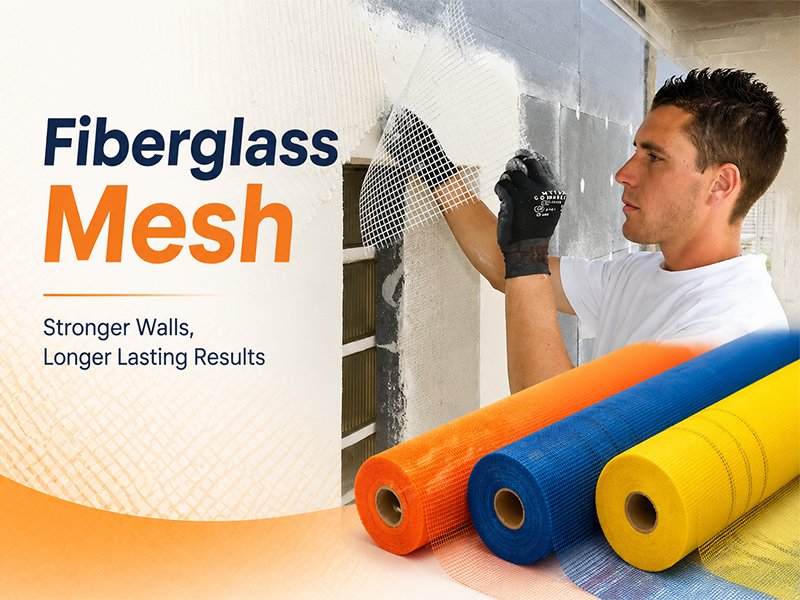
Kuwait's Market: Building at Full Speed, in a Demanding Climate
Kuwait is building at full speed. New residential districts and their supporting works are handed over in clusters, which compresses plastering, levelling, insulation, and interior finishing into short site programmes, and the accessory materials behind those trades are consumed in volume. Traders sit between the factory and the site, so the range they carry decides which projects they can serve, and the reliability of what they carry decides whether they keep serving them.
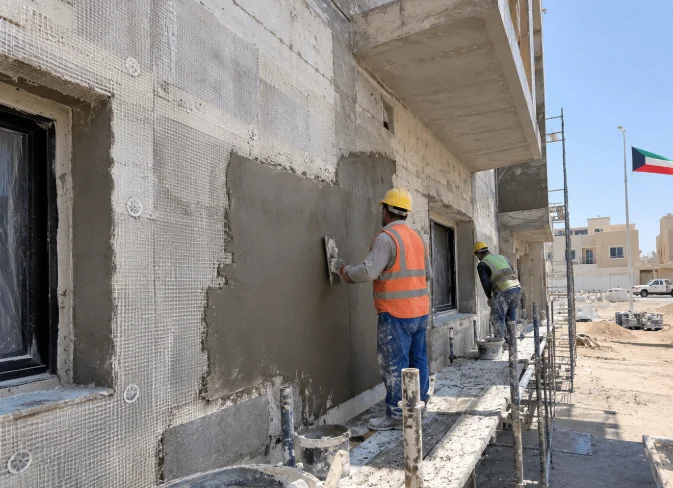
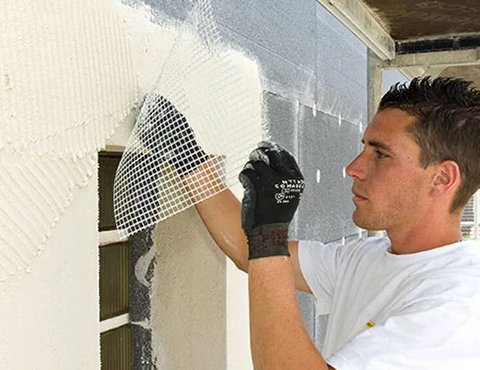
The climate sets a higher bar than volume alone. Summer temperatures hold above 45 °C, coastal air carries salt and humidity, and inland districts live with blowing dust. A finish layer has to move with the substrate through sharp day-to-night swings without tearing. In practice, that means the mesh cloth underneath is not a commodity choice — it is the layer that decides whether the plaster stays intact.
The Challenges Kuwait Deals With Every Day
Quality That Shifts Batch to Batch
- Mesh drawn from several factories rarely measures the same: basis weight drifts, openings vary, coating weight changes
- Lighter or thinly coated rolls show up on site as plaster cracking, exposed fibre, and separation between layers
- Cracks appear first along masonry joints, over chased-in conduits, and at junctions between materials that expand at different rates
- The trader absorbs the consequences — repeat visits, replaced material, arguments over responsibility, and a reputation that takes longer to repair than the stock itself
Too Many Specifications, Too Much Capital Locked Up
- Covering interior plaster, exterior rendering, and reinforcement work can mean eight or more specifications from three or more suppliers
- Every extra specification adds a slow-moving line item, a separate stock count, and a separate set of reorder decisions
- Capital sits in inventory instead of turning over, and the working capital problem grows quietly with each added SKU
Delivery Dates That Cannot Be Promised
- Small suppliers reschedule production without warning, and peak construction season is exactly when they do it
- A stockout mid-project forces the trader to break a promise to a contractor — the one mistake that costs a long-term account
- In a competitive local market with thin margins, unreliable supply removes the only real advantage a trader can build
How Our Mesh Cloth Solves Each of Them
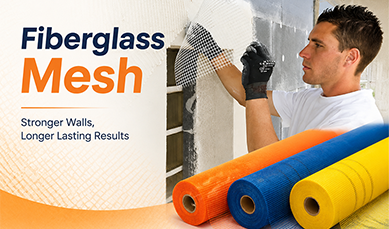
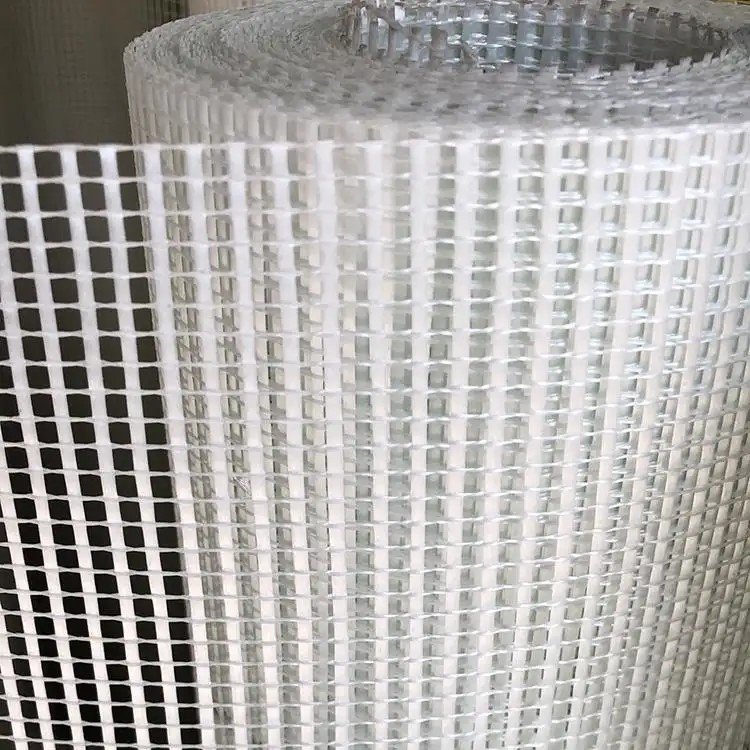
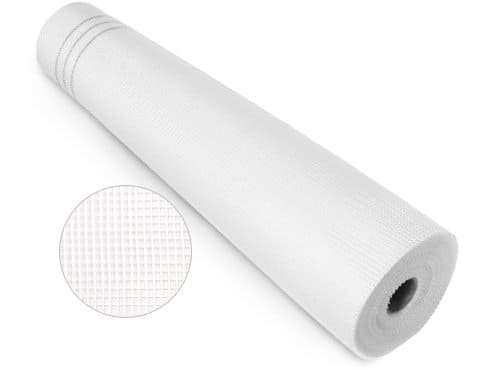
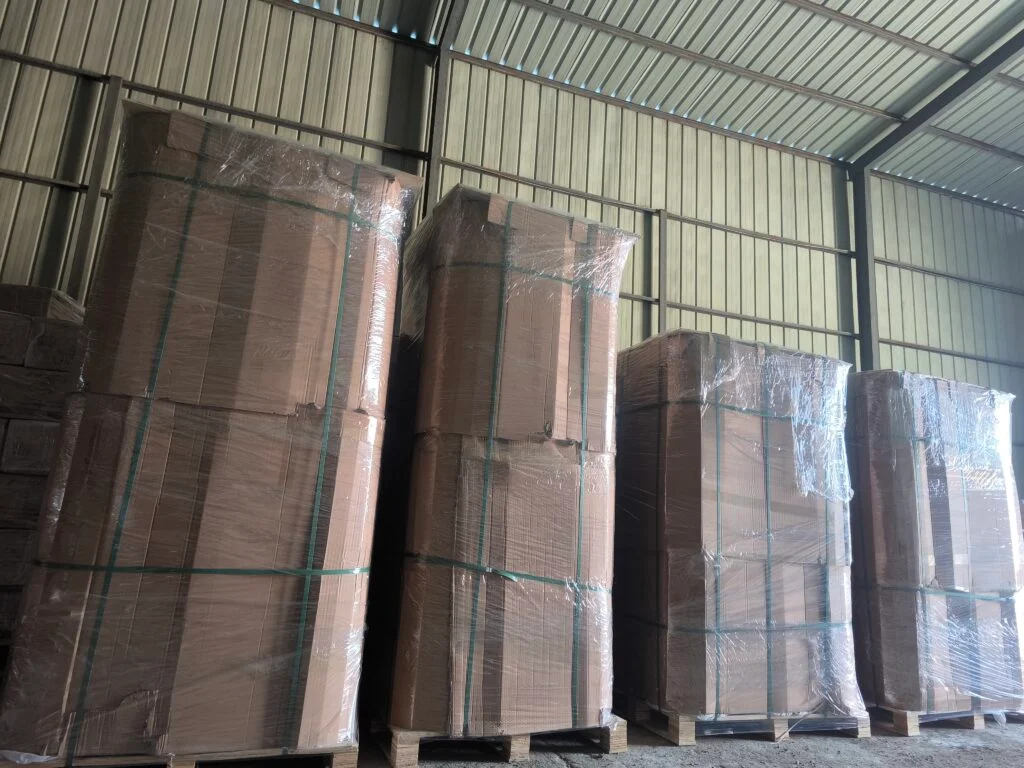
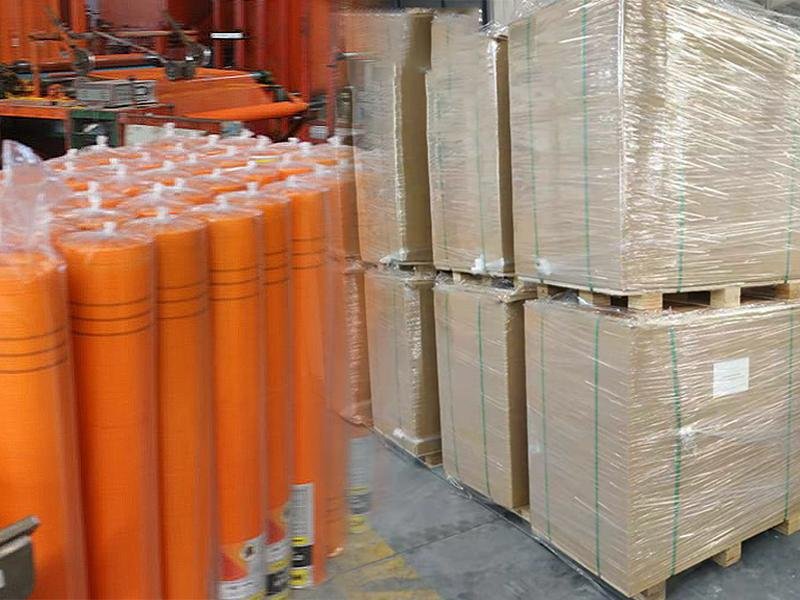
Our supply covers 45 g, 60 g, 75 g, and 100 g mesh cloth in 3×3 mm and 4×4 mm openings, all on a single 1 m × 50 m roll format packed four rolls to a carton. Each part of that specification set answers one of the three problems above, in the same order.
One Grade A Standard Across Every Weight
- Every weight in the range is produced to the same Grade A benchmark, so a lighter roll and a heavier roll behave predictably in the same way
- Precision weaving holds the 3×3 mm and 4×4 mm openings uniform with minimal tolerance, and basis weight stays within ±3%
- Each roll carries an evenly applied alkali-resistant coating that resists the alkaline environment of cement as well as Kuwait’s high-temperature UV exposure
- Cracking, exposed fibre, and delamination are designed out before the roll reaches the site, and site complaints and returns fall with them
Weights and Openings Matched to the Work
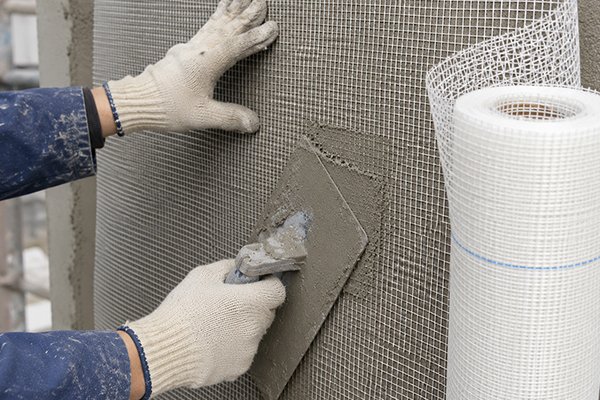
- 45 g and 60 g sit under fine interior finishes and thin plaster: once trowelled over, the layer stays tight and shows no mesh imprint, so decorative finishes go on clean
- 75 g and 100 g carry higher tensile strength for exterior thick plaster and structural strengthening, spreading the movement of the substrate instead of passing it through as a crack
- 3×3 mm openings suit fine and decorative render where the surface must read flat; 4×4 mm openings are fully encapsulated by mortar in general plaster and coating work, and belong at masonry joints, chased-in conduits, exterior plaster, and the reinforcement layer inside insulation and waterproofing systems
- Because the roll format is identical across the range, warehousing, stock counting, and re-supply stay simple — one supplier covers the whole mesh requirement, and less capital stays tied up
Production and Shipping on Your Restocking Cycle
- Standard specifications are held on stable large-scale production capacity rather than made to order from scratch
- Logistics channels covering the Gulf let shipments be scheduled around the trader’s own restocking cycle rather than the factory’s convenience
- Lead times stay fixed and stated in advance, so peak season becomes a planning question rather than a surprise
- Dependable supply is what lets a trader commit to contractor orders, hold those accounts, and protect margin in a price-driven market
What Else the Same Mesh Cloth Covers
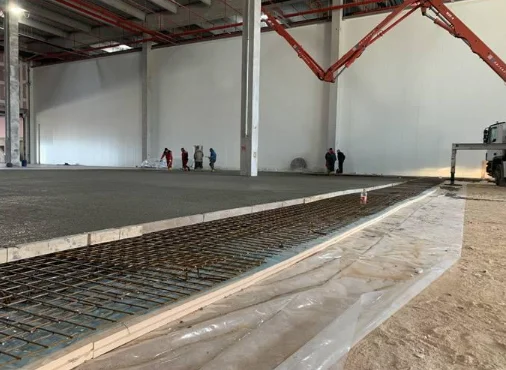
Plastering is the volume application, but the same material is specified well beyond it: exterior wall insulation reinforcement, crack repair and remediation, GRC component reinforcement, decorative render finishing, floor crack prevention, and roof waterproofing reinforcement.
- 45 g / 60 g for fine interior finishes and decorative layers
- 75 g / 100 g for exterior thick plaster and structural strengthening work
One product line, one supplier, and a trader is equipped to serve the accessory needs of the whole site.
Why YUNIU as Your Mesh Cloth Supplier
Hebei Yuniu Fiberglass Manufacturing Co., Ltd. (NIU® MATERIAL) has been manufacturing fiberglass since 2012, with a team carrying more than twenty years of production experience. Our products hold SGS, CE, and ISO 9001 certification and ship to Europe, the Middle East, Southeast Asia, Africa, and Latin America. For Gulf buyers, that comes down to three things:
- Consistency you can check: control points from yarn intake through to the finished roll keep every batch at Grade A, each shipment travels with a traceable test report, and basis weight, mesh opening, roll format, and batch number are marked on the roll itself
- A range that closes the list: the weights and openings available cover mainstream construction applications, so procurement consolidates into one supplier
- Someone who knows the region: familiarity with Kuwaiti and Gulf building codes, climate demands, and shipping rhythm, plus predictable lead times
Summarize
Our white Grade A fiberglass mesh cloth — 45 g, 60 g, 75 g, and 100 g, in 3×3 mm and 4×4 mm openings, on a unified 1 m × 50 m roll format — is a proven reinforcement material for plastering and exterior wall work in Kuwait’s construction market, and it addresses the core problems of wall cracking, uneven batches, an over-long specification list, and delivery that cannot be planned for in peak season.
If you are a building material trader or distributor in Kuwait or the wider Gulf region looking for a fiberglass mesh manufacturer to supply your specification range on a long-term basis, tell us your weights, mesh openings, and restocking cycle — we will start from whether the specification actually matches your market.