
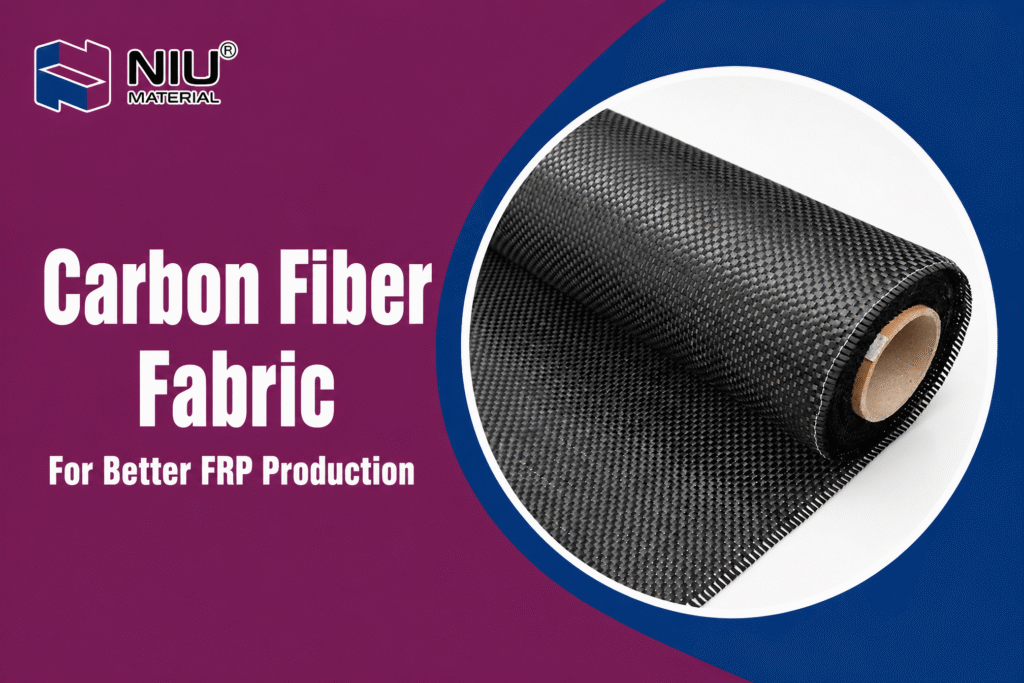
Introduce
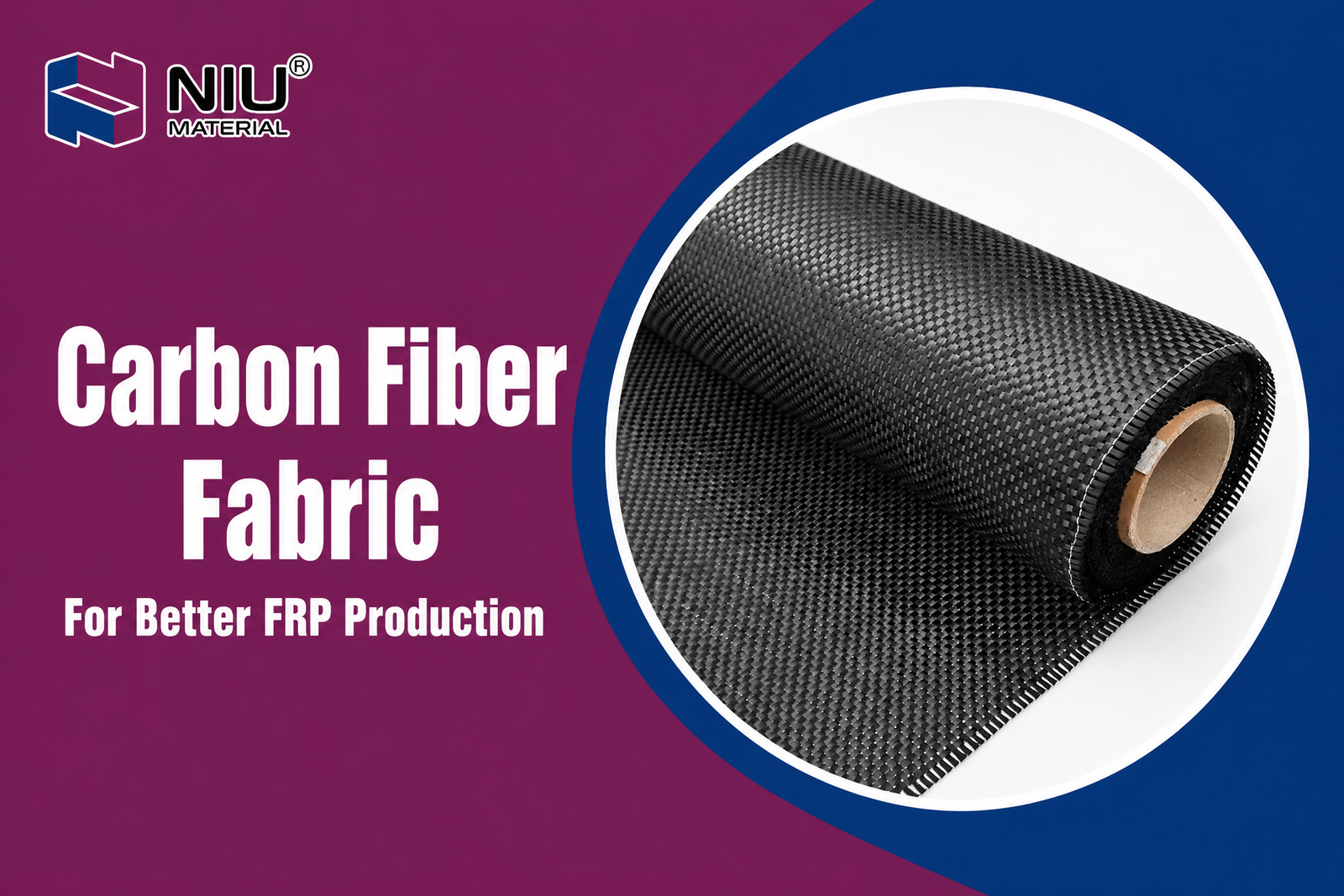
As a professional carbon fiber fabric manufacturer and supplier, one of the most common questions we receive from wholesale buyers, composite manufacturers, and industrial customers is:
Which carbon fiber fabric is suitable for my project? Plain weave or twill weave? What GSM should I choose?
Carbon fiber fabric is widely used in industries where lightweight design, high strength, and reliable performance are important. However, different applications require different fabric structures, weights, widths, and surface appearances.
For example, a carbon fiber fabric used for automotive parts may require excellent appearance and drapability, while reinforcement applications may focus more on fabric weight and structural performance. Similarly, manufacturers producing sporting goods, industrial components, or customized composite products may require completely different carbon fiber fabric solutions.
This guide will help manufacturers, distributors, wholesalers, and composite product producers understand how to select suitable carbon fiber fabric and find the right solution for their production requirements.
Understanding Carbon Fiber Fabric for Composite Manufacturing
Before selecting a product, buyers need to understand one important point:
Carbon fiber fabric is not simply a single product. Different weave structures, fabric weights, and specifications can significantly affect the final composite product.
For most B2B buyers, the key is not choosing the “best” carbon fiber fabric, but choosing the fabric that matches their application, production process, and market positioning.
What Is Carbon Fiber Fabric Used For?
Carbon fiber fabric is commonly used as a reinforcement material for composite manufacturing.
Common applications include:
Automotive components
Motorcycle parts
Sporting goods
Aerospace and industrial components
Marine products
Composite panels and customized products
Structural reinforcement applications
The same carbon fiber fabric may perform differently depending on the resin system, production method, layer structure, and final product design.
That is why selecting the right specification is important before production begins.

Choosing the Right Carbon Fiber Fabric Structure
For many buyers, the first decision is usually the fabric weave.
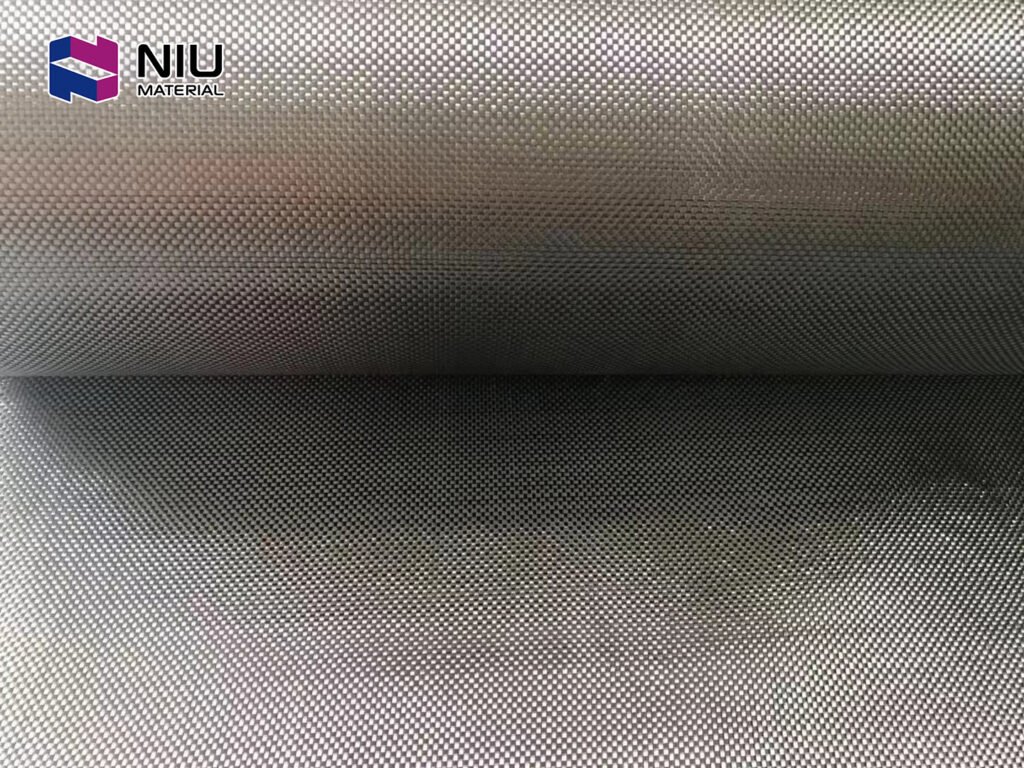
Plain Weave Carbon Fiber Fabric
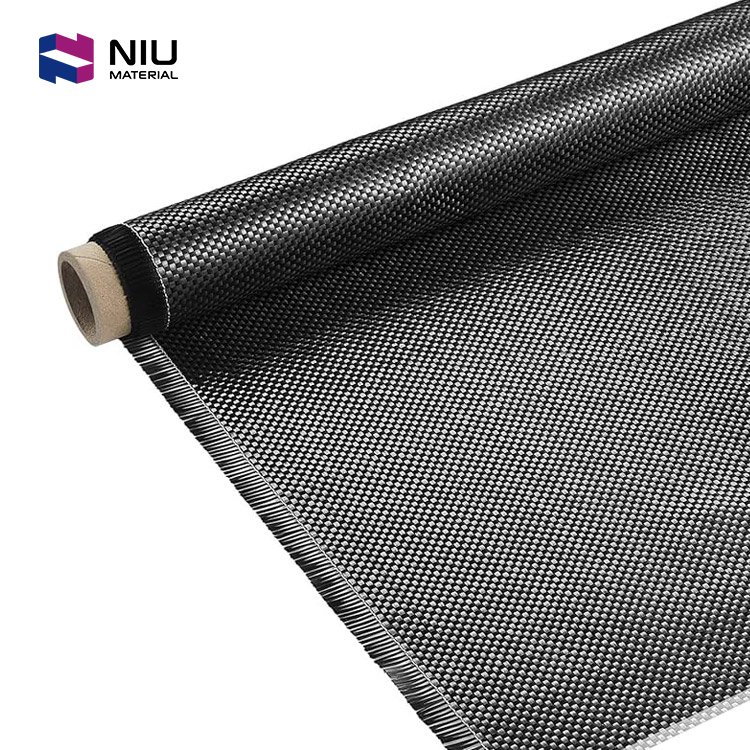
Plain weave carbon fiber fabric has a balanced and uniform surface appearance.
It is commonly selected for applications where surface appearance, dimensional stability, and a clean woven pattern are important.
Plain weave fabric is often suitable for:
Flat composite panels
Decorative carbon fiber products
Automotive interior components
Customized composite products
For customers looking for a clean and classic carbon fiber appearance, plain weave can be a practical option.
Twill Carbon Fiber Fabric
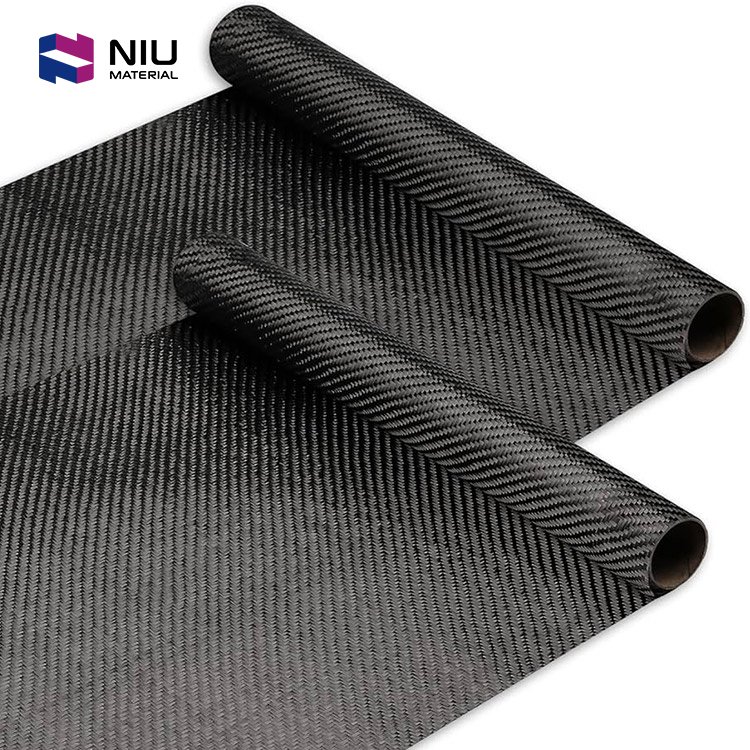
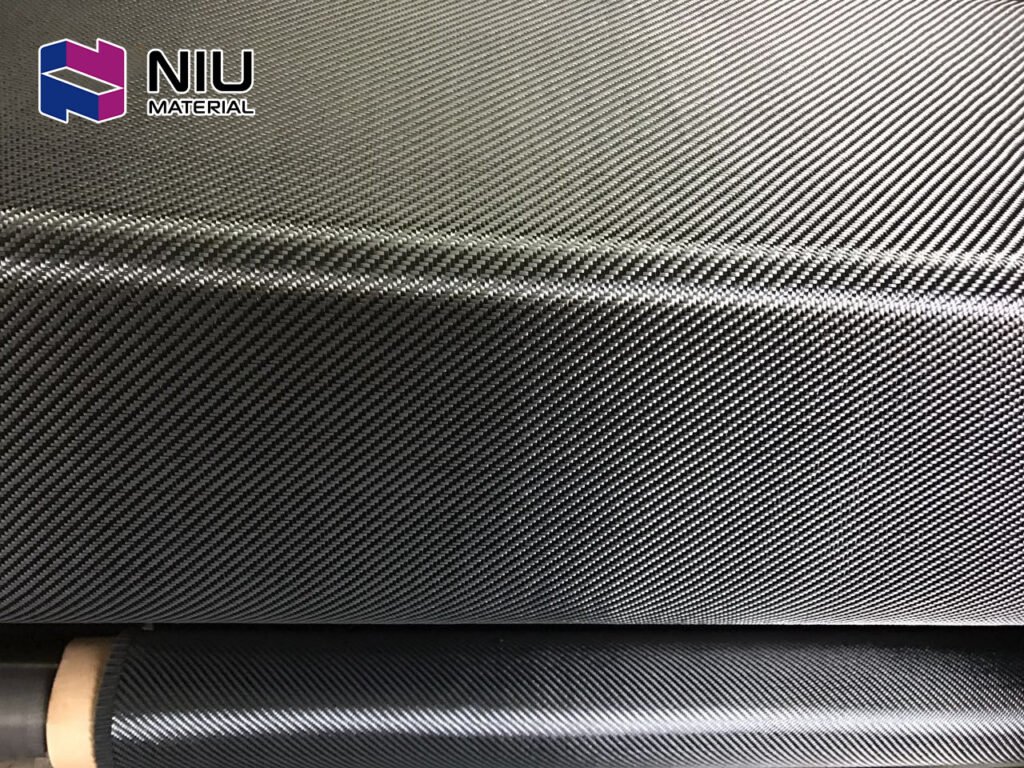
Twill weave carbon fiber fabric is one of the most popular choices for composite manufacturing.
Its distinctive diagonal pattern creates a more recognizable carbon fiber appearance while also providing good adaptability for many molding processes.
Twill weave carbon fiber fabric is commonly used for:
Automotive exterior components
Motorcycle parts
Sporting equipment
Decorative composite products
Complex-shaped composite components
For brands and manufacturers that want both performance and a premium visual appearance, twill carbon fiber fabric is often a preferred option.
Carbon Fiber Fabric Weight: Choosing the Right GSM
Fabric weight is another important factor when purchasing carbon fiber fabric.
Different GSM options can be suitable for different product designs and production requirements.
Lower-weight fabrics can be suitable for products that require more flexibility or multiple layers, while heavier fabrics may be selected when higher reinforcement efficiency is required.
When selecting fabric weight, buyers should consider:
Product thickness
Number of composite layers
Production process
Required surface appearance
Strength requirements
Resin system compatibility
Instead of selecting GSM based only on price, manufacturers should choose a specification that supports their final product design.
Appearance and Customization Options for Carbon Fiber Fabric
For many composite products, carbon fiber is not only a reinforcement material.
It is also part of the product’s visual identity.
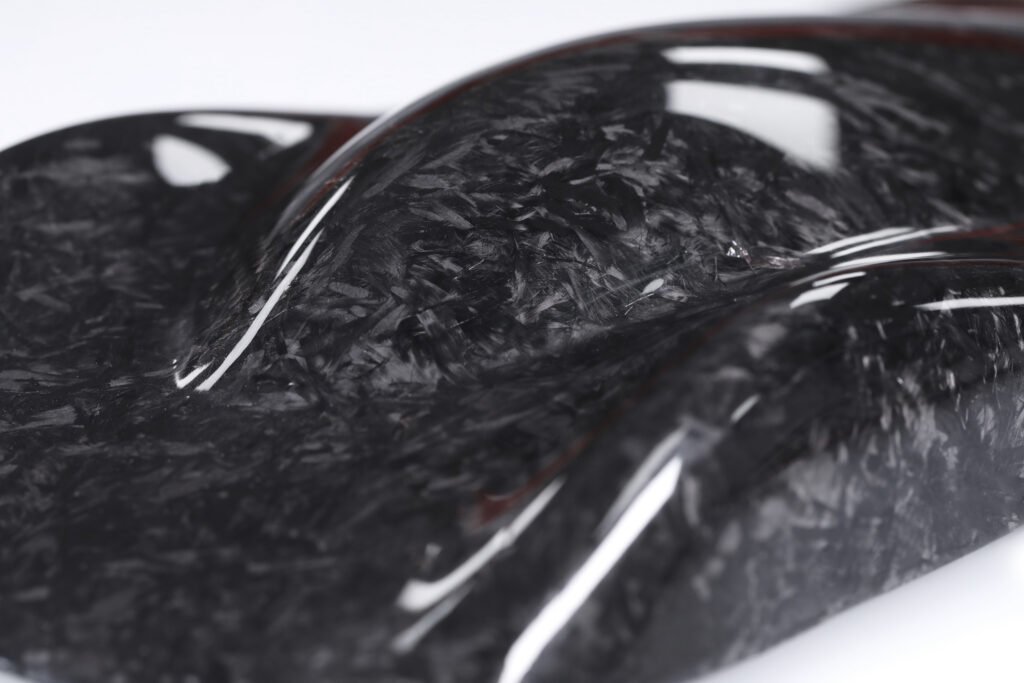
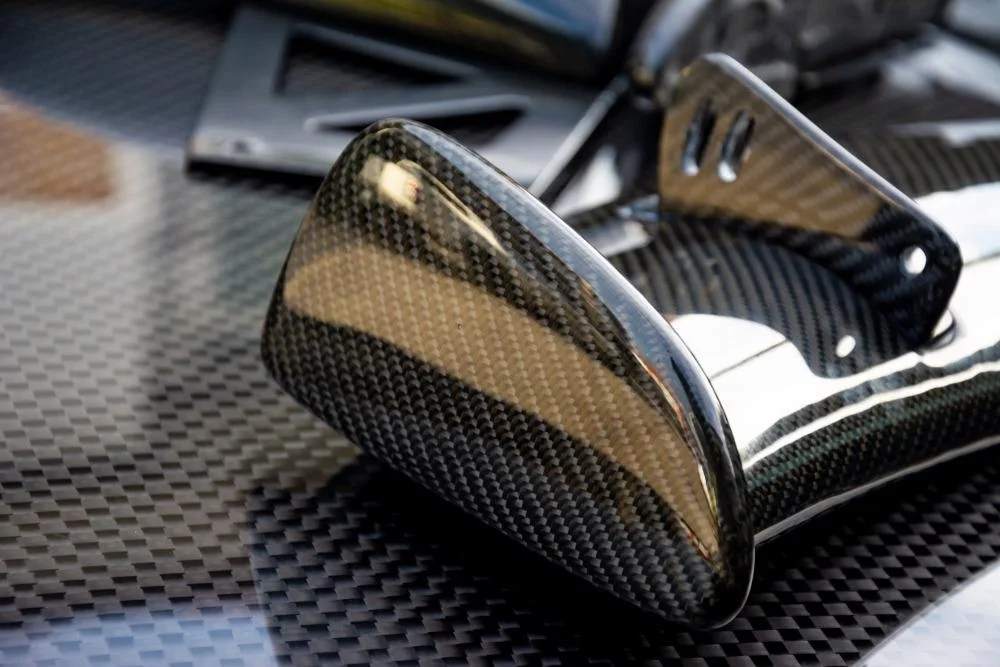
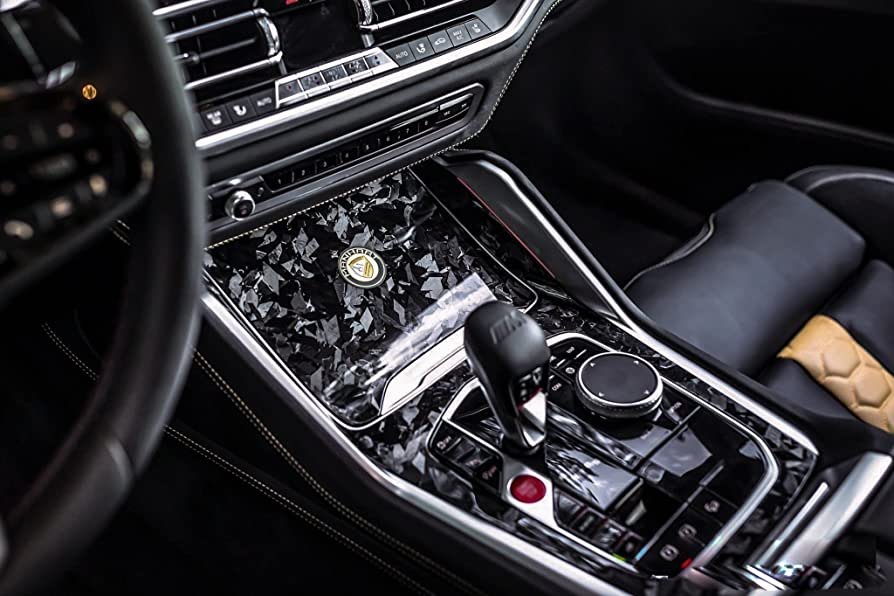
The woven pattern of carbon fiber can create a modern, technical, and premium appearance, which is why it is widely used in automotive products, sporting goods, and high-end composite components.
Depending on product requirements, carbon fiber fabric can be supplied with different options, including:
Plain weave
Twill weave
Different fabric weights
Different widths
Customized specifications
For manufacturers developing branded composite products, selecting the right fabric structure can help create a more distinctive product appearance.
How to Choose the Right Carbon Fiber Fabric for Your Products
Choosing the right carbon fiber fabric is not about selecting the most expensive option.
It is about selecting the material that fits your product.
Choose Based on Your Product Application
Different products require different carbon fiber fabric solutions.
Automotive parts may focus on appearance and fabric pattern, while industrial composite components may focus more on structural requirements.
Before purchasing, it is useful to identify:
What product are you producing?
Which production process are you using?
What fabric specification do you currently use?
These details can help determine a more suitable carbon fiber fabric solution.
Choose Based on Your Product Positioning
Product positioning can also influence material selection.
Mass-production products may focus more on cost efficiency and supply stability.
Meanwhile, premium composite products may pay more attention to fabric appearance, weave quality, and surface consistency.
The carbon fiber fabric should support both the functional and commercial goals of the product.
Choose Based on Your Production Requirements
Different production processes may require different fabric characteristics.
Manufacturers should consider their molding process, resin system, production volume, and final product requirements before selecting fabric specifications.
A suitable material can help improve production efficiency and create more consistent composite products.
In Conclusion
Carbon fiber fabric can offer different solutions for different composite products.
The right choice depends on factors such as:
Product application
Fabric weave
Fabric weight
Surface appearance
Production process
Order volume
Product positioning
Instead of choosing carbon fiber fabric based only on price or appearance, manufacturers should consider the complete requirements of their products and production process.
The right carbon fiber fabric can help create stronger, lighter, more consistent, and more competitive composite products.
Looking for the right carbon fiber fabric for your project?
Tell us your product application, and our team can help you find a suitable carbon fiber fabric solution.