Fiberglass Chopped Strand Mat vs. Woven Roving: A Complete Reinforcement Comparison for Composite Brands
Table of Contents
Add a header to begin generating the table of contents
Introduce
In the composites industry, selecting the right reinforcement material is the single most critical decision determining the quality of the final product. For FRP (Fiber Reinforced Plastic) manufacturers, choosing between Fiberglass Chopped Strand Mat (CSM) and Woven Roving isn’t just about strength—it directly impacts production costs, resin consumption, labor efficiency, and surface finish.
Many soda brands or industrial manufacturers face the same dilemma: should we prioritize the cost-efficiency of Fiberglass Chopped Strand Mat, or the structural performance of Woven Roving?
Both options offer distinct advantages. As a leading global supplier, Niumaterial understands how each material performs under real-world industrial conditions. This article provides a practical, industry-focused comparison to help manufacturers, wholesalers, and engineering teams make informed procurement decisions.
Overview of Fiberglass Chopped Strand Mat and Woven Roving
What is Fiberglass Chopped Strand Mat?
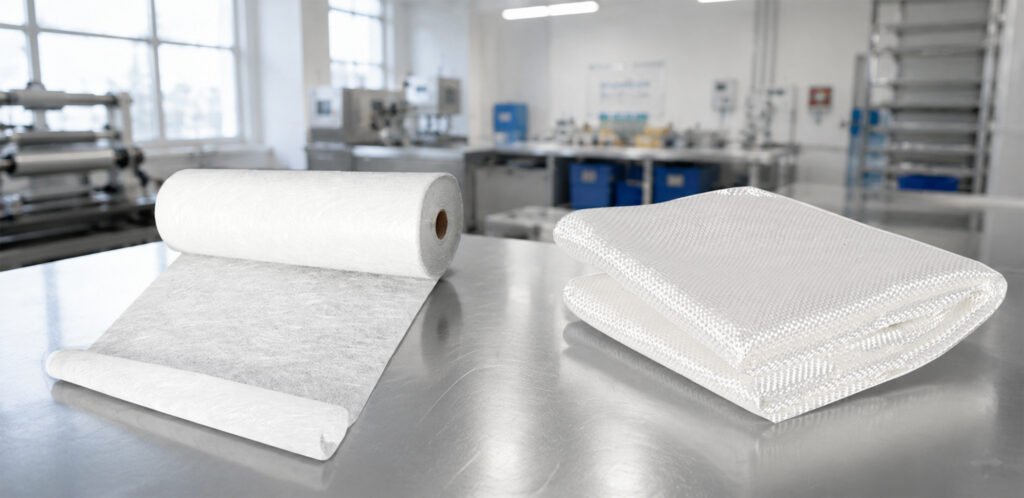
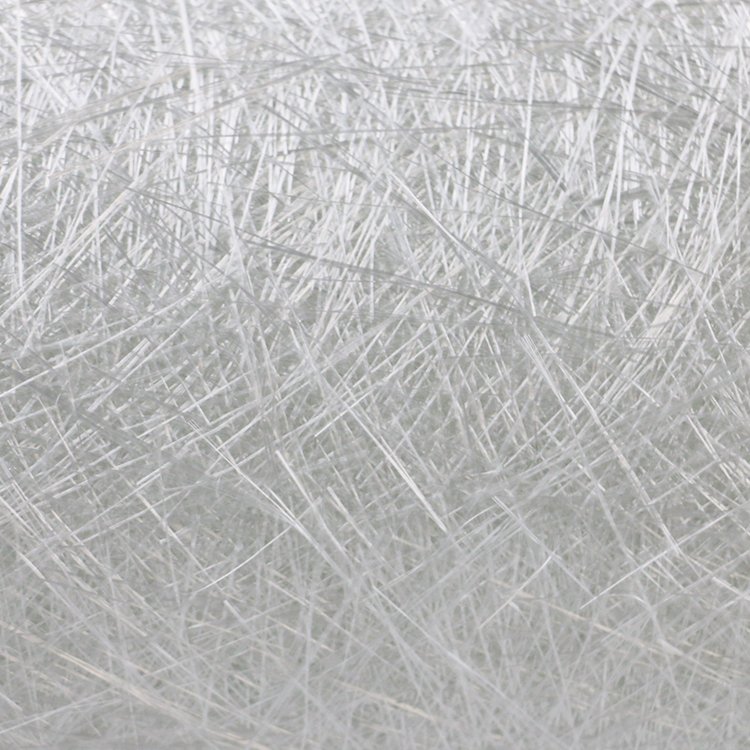
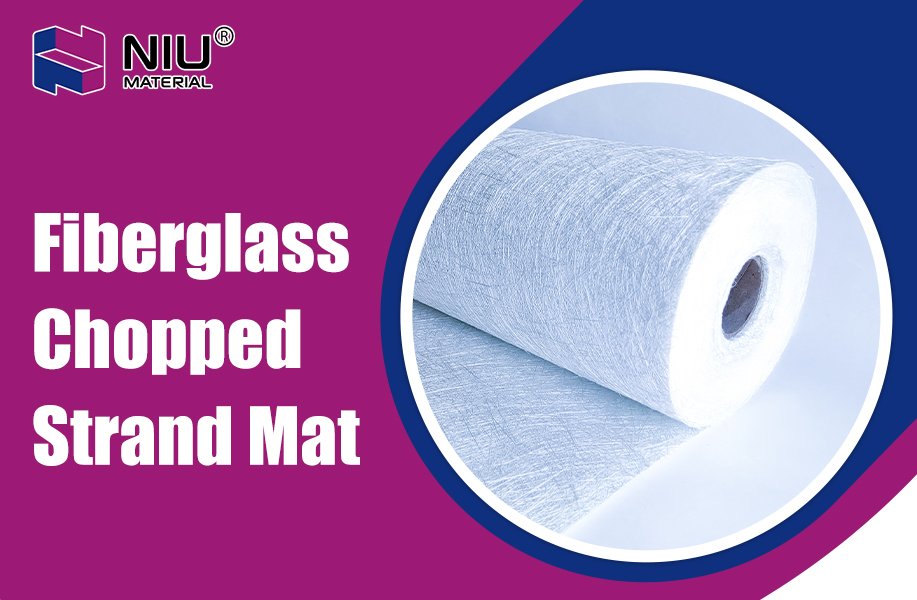
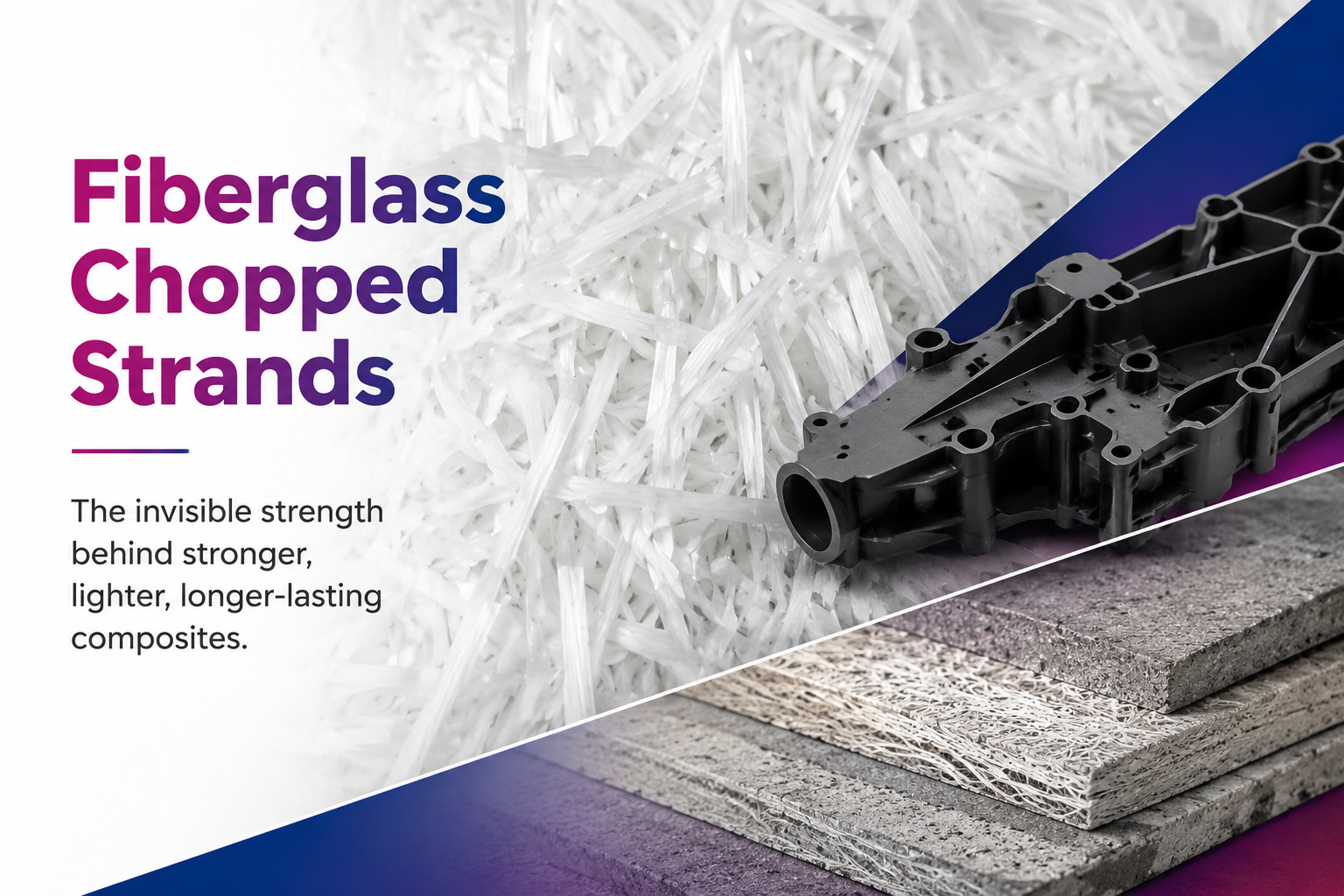
Material Composition and Production Basics Fiberglass Chopped Strand Mat is a non-woven fabric consisting of glass fiber strands chopped into 50mm lengths, distributed randomly and held together by a powder or emulsion binder. Niumaterial produces CSM with isotropic mechanical properties, meaning its strength is uniform in all directions.
Common Weights In the global market, the most common weights include:
Lightweight: 100g/m², 180g/m² (often used for surface veils or precision parts).
Standard Retail: 300g/m², 450g/m², 600g/m² (the workhorses of the marine and construction industries).
Woven Roving is a heavy-duty fabric made by weaving direct rovings into a bi-directional (0°/90°) pattern. It looks like a heavy cloth and provides high-strength reinforcement in specific directions.
Resin Wet-out and Handling Performance
For hand lay-up or mold-pressing processes, the speed at which a material bonds with resin is vital.
Performance of Fiberglass Chopped Strand Mat
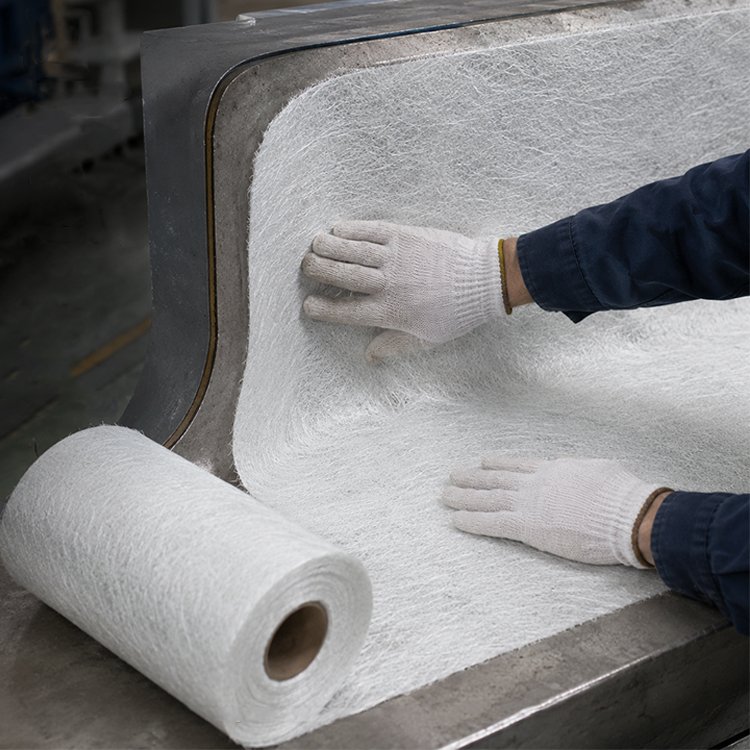
Excellent Conformability Because the fibers are short and randomly oriented, Niumaterial Fiberglass Chopped Strand Mat is highly flexible. It easily conforms to complex mold geometries, sharp “R-angles,” and deep recesses without “springing back” or creating air pockets.
Resin Consumption CSM is a resin-rich material, typically requiring a 60%-70% resin-to-glass ratio. While resin consumption is higher, it ensures a completely sealed, corrosion-resistant FRP structure.
Mechanical Strength and Structural Integrity
Data from Niumaterial‘s laboratory shows that the fiber orientation dictates the impact and tensile performance of the finished part.
Woven Roving
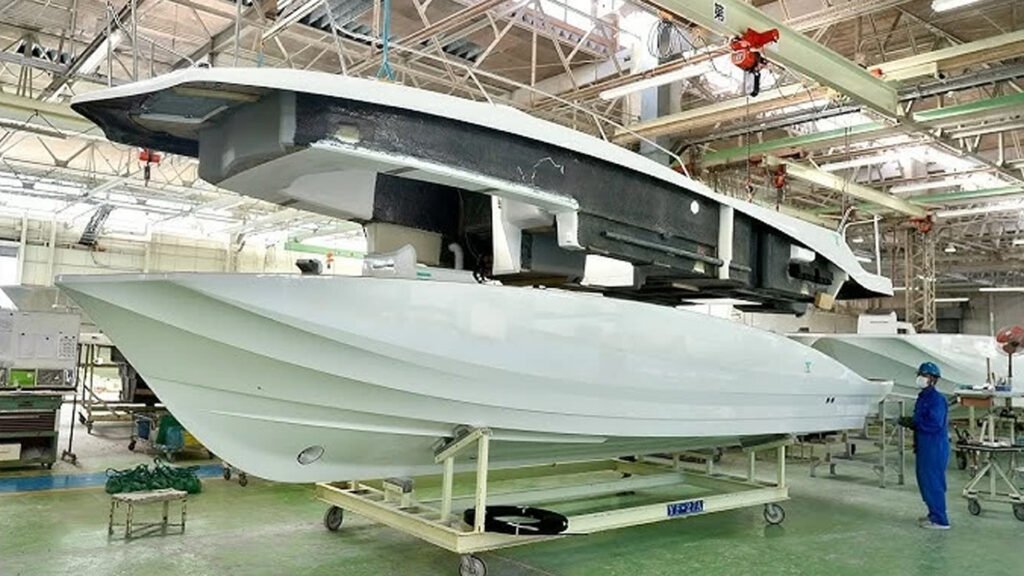
Offers extremely high longitudinal and transverse tensile strength, making it ideal for structural parts like boat hulls or wind turbine blades.
Fiberglass Chopped Strand Mat
While lower in directional strength, its isotropic nature allows it to resist stress from any direction and provides superior interlaminar shear strength (bonding between layers).
Cost, Production Efficiency, and Supply Chain Comparison
Using Niumaterial standard CSM allows for rapid thickness accumulation with fewer layers compared to thin fabrics, significantly reducing labor costs in hand lay-up operations.
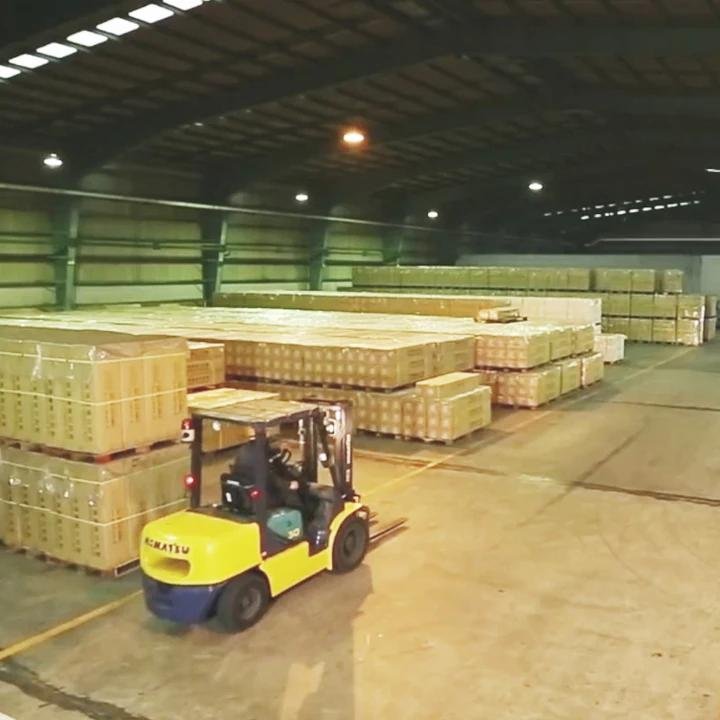
Logistics and Packaging Compared to expensive specialty weaves, Fiberglass Chopped Strand Mat has a lower raw material cost and a more stable supply. Niumaterial utilizes optimized export-grade roll packaging, ensuring resistance to compression during long-distance maritime transport and minimizing edge waste.
Industry Use Case Scenarios
When Fiberglass Chopped Strand Mat is the Better Choice:
Marine Construction: Used as a “bonding layer” between layers of Woven Roving to prevent delamination.
Automotive Parts: Ideal for complex-shaped components like car roofs and bumpers.
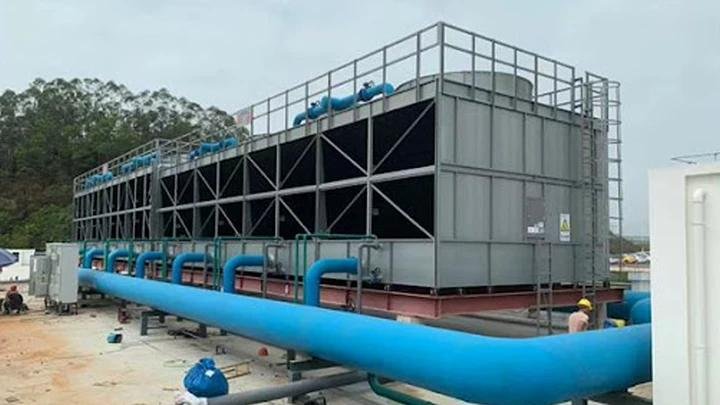
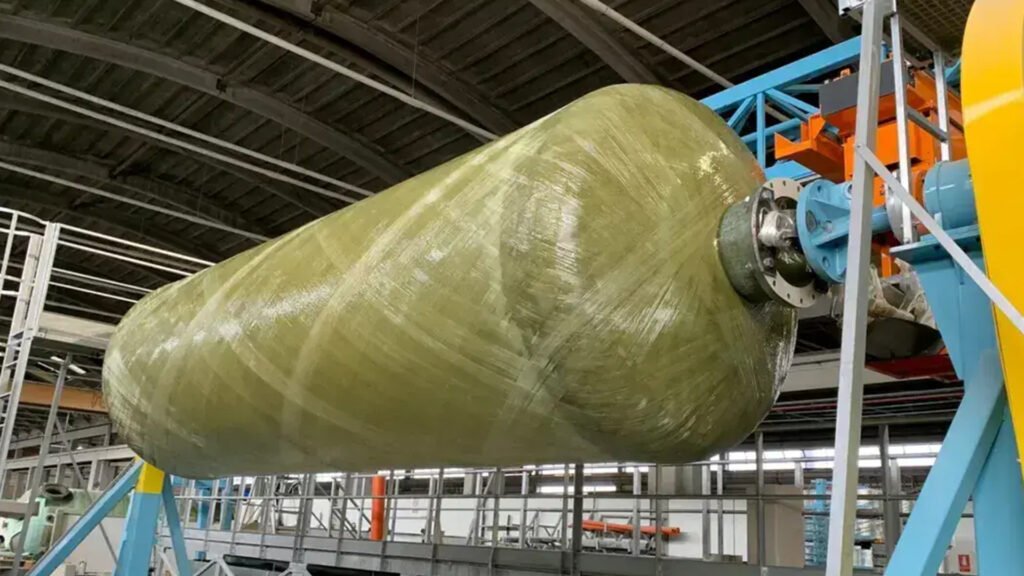
Corrosion Resistance: Inner liners for cooling towers, septic tanks, and chemical storage tanks.
When Woven Roving Performs Better: Best for large-scale structural projects where high-strength-to-weight ratios are mandatory.
How to Choose the Right Reinforcement for Your Project
When deciding between Fiberglass Chopped Strand Mat and Woven Roving, Niumaterial recommends evaluating these four factors:
Structural Requirements: If high tensile strength in a specific direction is needed, pair CSM with Woven Roving.
Budget: CSM remains the most cost-effective base reinforcement.
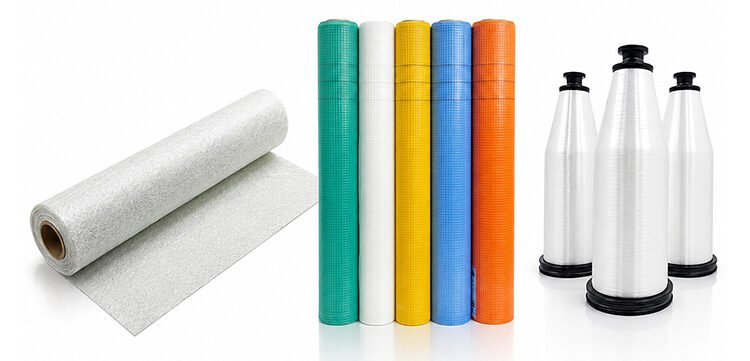
Supply Chain Integration: Partner with a one-stop supplier like Niumaterial that provides CSM, Woven Roving, Mesh, and Yarns to simplify your procurement and lower communication costs.
In Conclusion
In the debate between Fiberglass Chopped Strand Mat and Woven Roving, there is no single winner—only the right solution for your specific application.
Choose Fiberglass Chopped Strand Mat if you prioritize conformability, isotropic strength, and cost-efficiency.
Choose Woven Roving if you prioritize directional strength and weight reduction.
Niumaterial is dedicated to providing high-quality raw material solutions for composite brands worldwide. Whether your project involves marine vessels or precision industrial parts, we can tailor a reinforcement plan that fits your needs.
Please leave a message regarding the fiberglass and other composite materials you’re interested in or looking for.
We will send you a definitive quote (including product price and shipping costs) within 12 hours.
Product Inquiry/Quote
You can leave a message about the fiberglass materials you are interested in/looking for.
We will send you a clear quotation (including product price + shipping cost) within 12 hours.
Are you considering fiberglass for your application?
You can leave your needs and contact information~and We can provide you with usage suggestions + product suitability analysis + free sample delivery!
Leave us your interest and contact information, and we’ll send you detailed information for your reference!
Do you want to know the technical parameters and TDS of products?
You can leave the specifications and contact information you need~ Our technicians will immediately organize the exclusive information for you and send it to your email!
Interested in this specification?
You can leave your contact information here, and we will send you detailed specifications and application cases to make your purchase clearer~
How can we help you?
You can leave a message about the fiberglass materials you are interested in/looking for.
We will send you a clear quotation (including product price + shipping cost) within 12 hours.