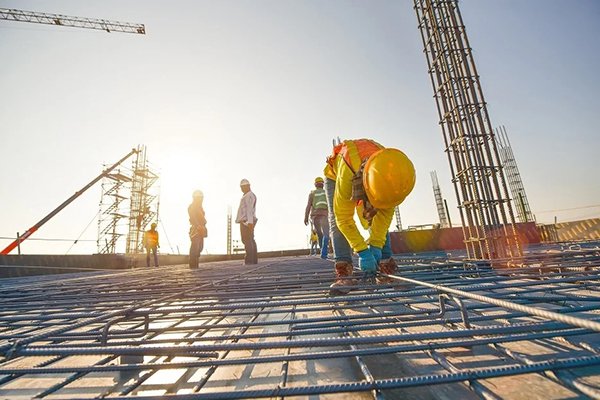
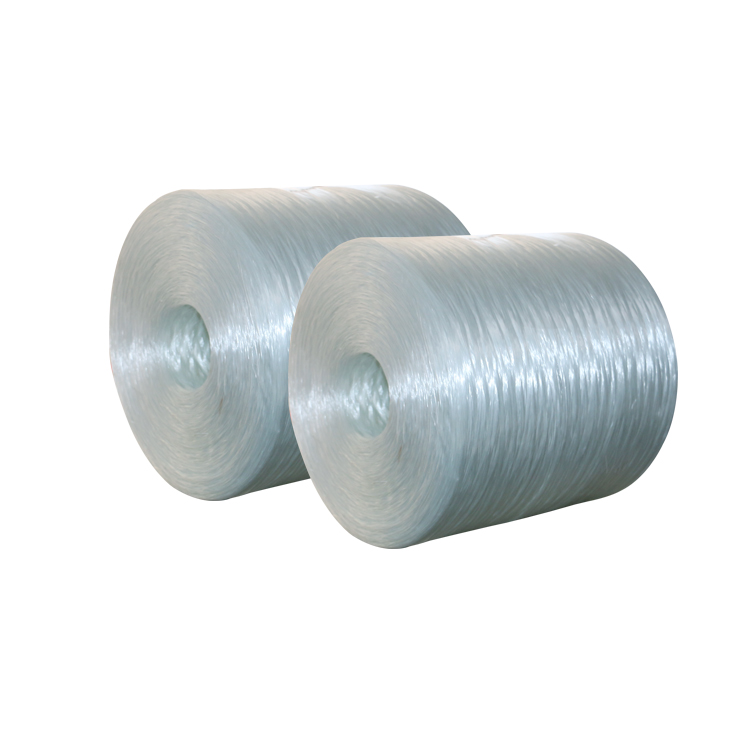
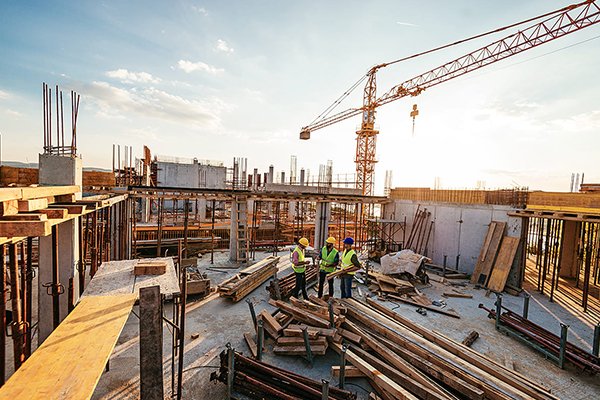
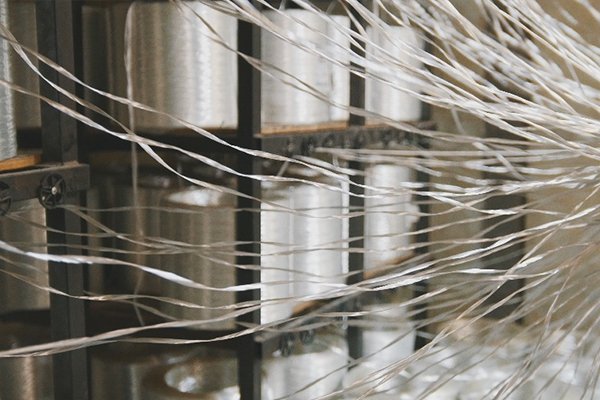
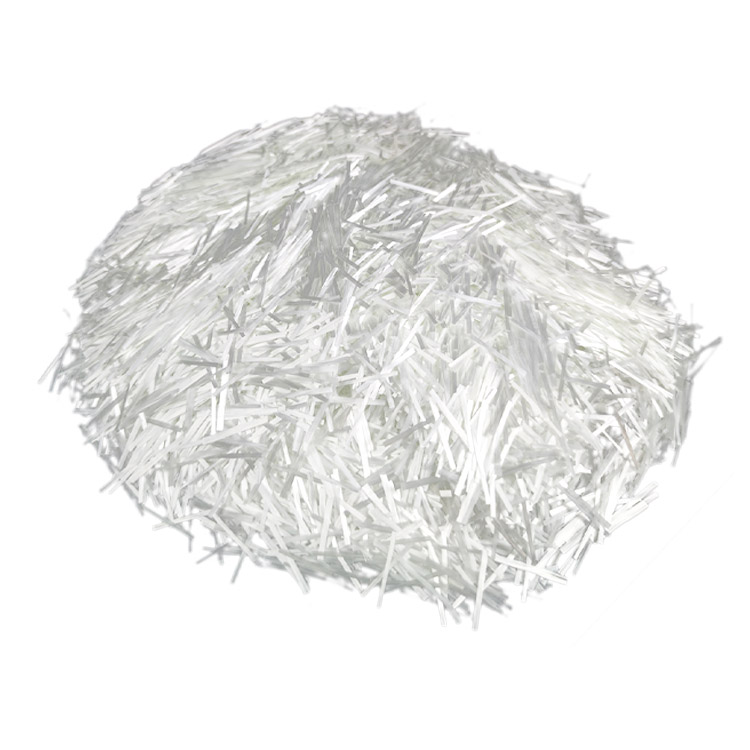
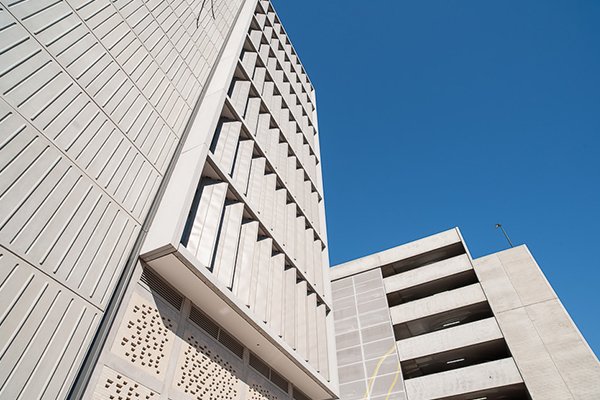
In the spray-up process, continuous AR-fiberglass rovings are fed into a handheld spray gun, chopped into short lengths, and combined with a cement slurry. The mixture is sprayed into a mold to create high-strength, thin-walled architectural panels.
Premix GRC Process
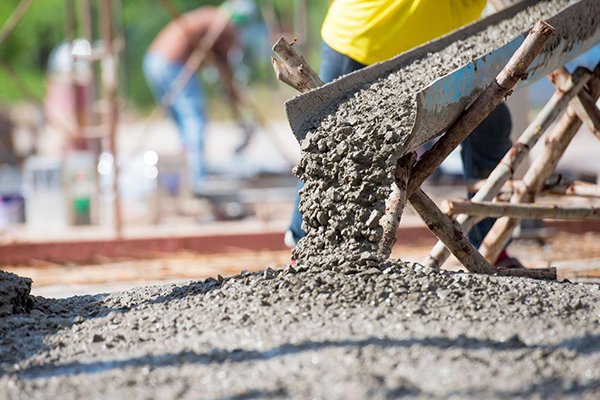
Chopped fiberglass strands are mixed directly into the concrete or mortar matrix before casting. This reinforcement creates a three-dimensional network that prevents cracking and increases the toughness of precast components.
Ar Fiberglass Roving for GRC Spraying
Ar Fiberglass Roving for GRC Spraying is specially designed for GRC spray-up processes. It contains a high Zirconia (ZrO2≥16.5%) content, providing excellent acid and alkali resistance in cement environments. It delivers superior mechanical properties and long-term durability for architectural facades.
High ZrO2 content, easy chopping, and excellent integrity
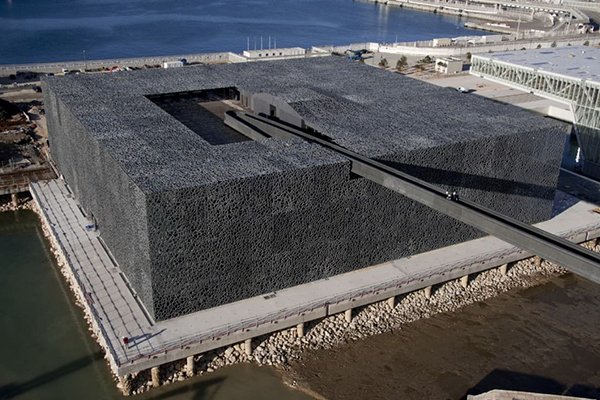
GRC wall panels and architectural ornaments
End-Use Markets
(Chemistry and Chemical/Infrastructure/Marine/Petrochemical/Building and Construction)
AR Chopped Strands for Concrete Reinforcement
AR Chopped Strands are coated with specialized sizing and are compatible with various cementitious binders. They are designed to prevent micro-cracking in concrete, offering excellent dispersion and water resistance in flooring and mortar applications.
(Chemistry and Chemical/Infrastructure/Marine/Petrochemical/Building and Construction)
Building Exterior and Interior Wall Construction
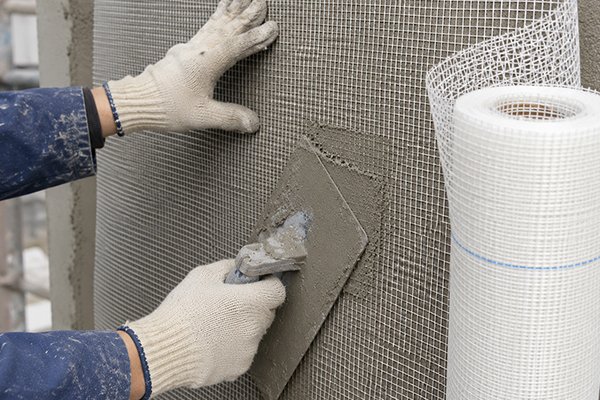
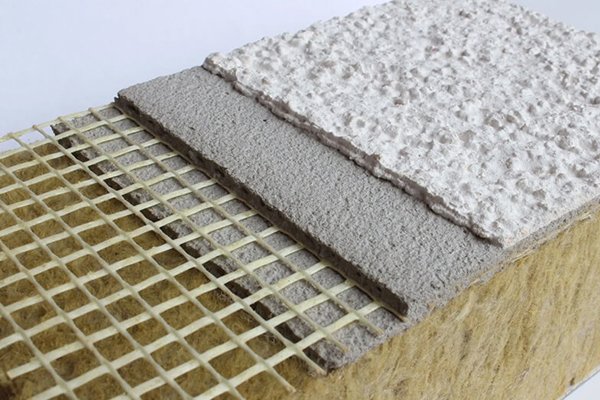
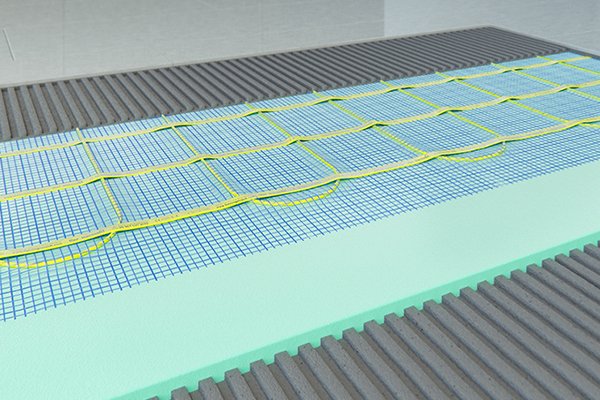
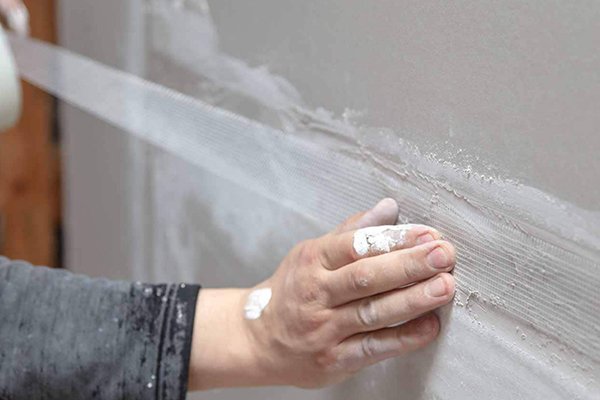
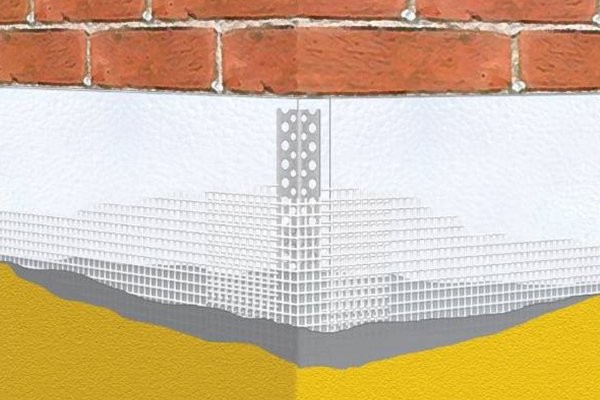
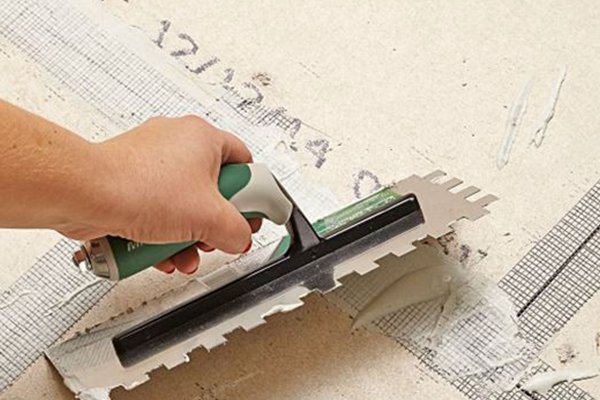
This process involves reinforcing the wall system with fiberglass products. For exterior walls (EIFS), fiberglass mesh provides a “steel skeleton” to prevent cracking due to thermal expansion and contraction. For interior drywall, self-adhesive tape is used for joint treatment, ensuring a seamless and stable surface before the final coating.
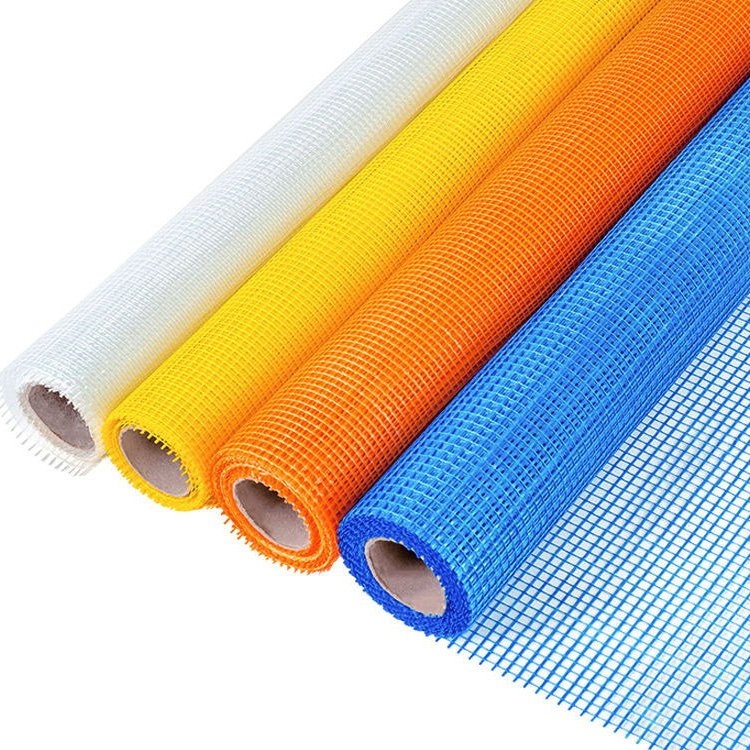
Fiberglass Reinforcing Mesh
Fiberglass Reinforcing Mesh is treated with alkali-resistant liquid and is compatible with base-coat mortars. It features high tensile strength and low stretch, ensuring the long-term stability of exterior wall insulation systems.
Light weight, high cost-effectiveness, easy to handle
Interior wall reinforcement and plastering
145gsm
Balanced flexibility and strength, excellent alkali resistance
Standard Exterior Insulation Systems (EIFS)
160gsm
Heavy-duty reinforcement, "Gold Standard" for EIFS
High-quality exterior facades and structural reinforcement
160gsm
Extra high impact resistance, superior tensile strength
Ground floor walls and high-traffic areas
End-Use Markets
(Infrastructure)
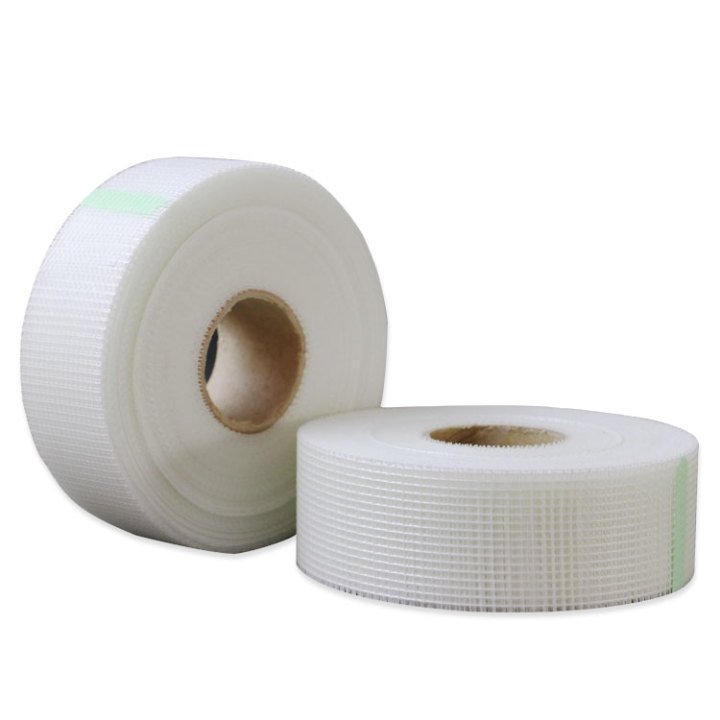
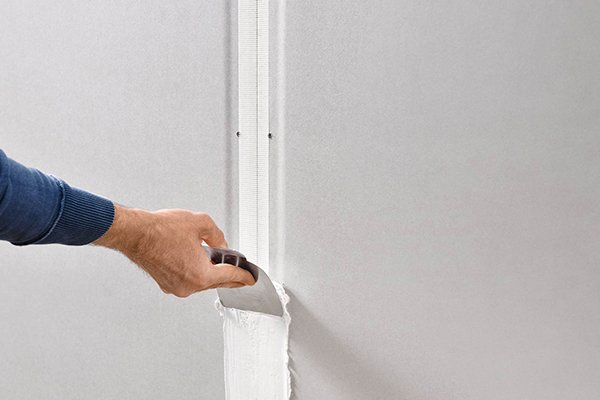
Fiberglass Self-Adhesive Tape
Fiberglass Self-Adhesive Tape features a strong pressure-sensitive adhesive, allowing for fast and easy application on wall joints and cracks. It provides a reliable bond and prevents future cracking in drywall, plasterboard, and other building surfaces without the need for pre-plastering.
Lightweight and thin, easy to overlap, high flexibility
Standard drywall joints and fine crack repair
65gsm
Balanced tensile strength and thickness, easy application
Professional wall construction and joint treatment
75gsm
Heavy-duty reinforcement, superior tear resistance
High-stress wall joints and corner reinforcement
End-Use Markets
(Infrastructure)
Waterproofing and Roofing Process
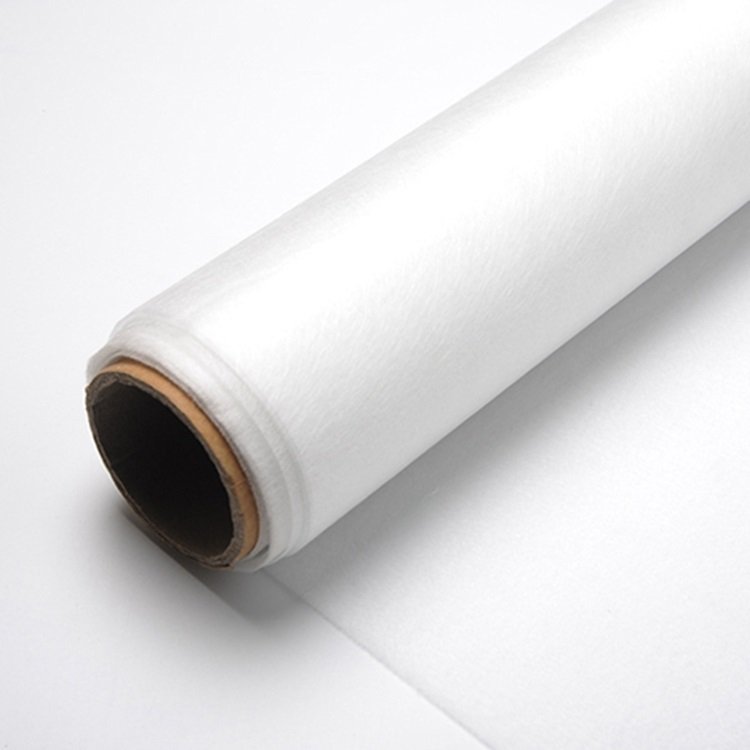
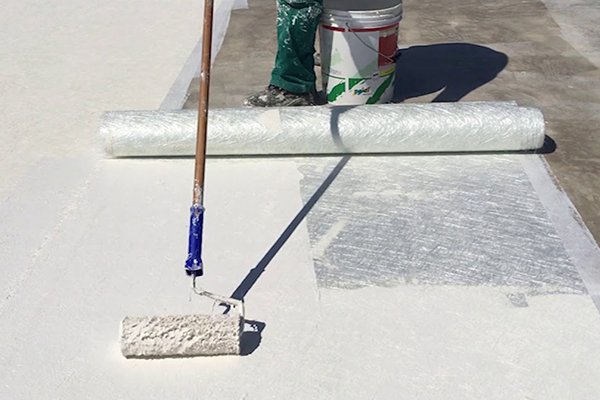
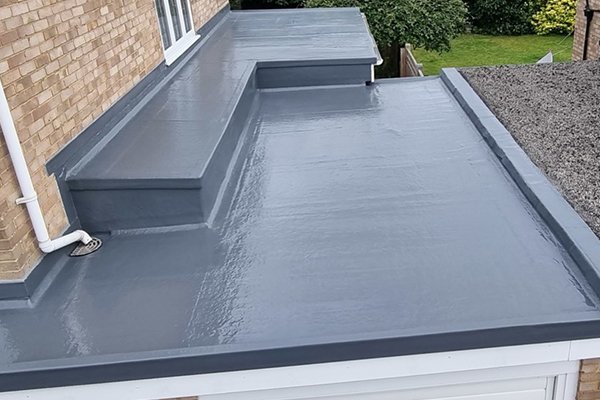
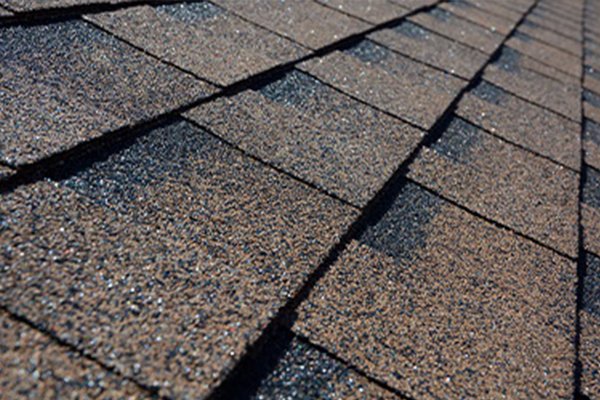
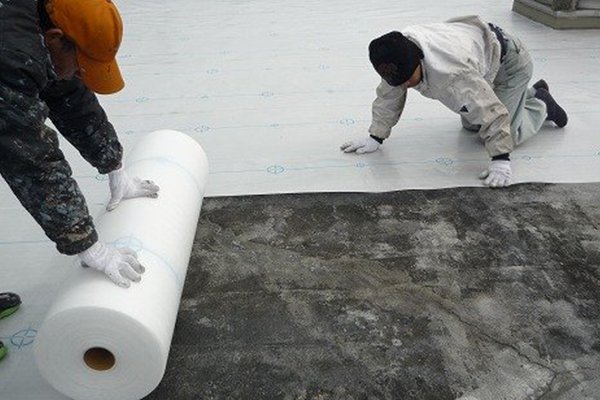
Fiberglass roofing tissue acts as the essential substrate in waterproofing membranes. The tissue is continuously fed into a bitumen bath and fully saturated with modified bitumen. This reinforcement provides the membrane with superior dimensional stability and rot resistance for harsh environmental conditions.
Fiberglass Roofing Mat
Non-woven fiberglass tissue offers uniform thickness and excellent porosity, ensuring fast bitumen absorption. It is the ideal carrier for SBS and APP modified bitumen membranes used in roofing and underground engineering.
Lightweight, excellent porosity, uniform distribution
SBS/APP waterproofing membranes
90gsm
High tensile strength, superior dimensional stability
Heavy-duty roofing and bridge decks
Reinforcement
Scrimp reinforced, ultra-high tear resistance
Specialized infrastructure waterproofing
End-Use Markets
(Infrastructure)
Contact us via email
Please leave a message regarding the fiberglass and other composite materials you’re interested in or looking for.
We will send you a definitive quote (including product price and shipping costs) within 12 hours.
Product Inquiry/Quote
You can leave a message about the fiberglass materials you are interested in/looking for.
We will send you a clear quotation (including product price + shipping cost) within 12 hours.
Are you considering fiberglass for your application?
You can leave your needs and contact information~and We can provide you with usage suggestions + product suitability analysis + free sample delivery!
Leave us your interest and contact information, and we’ll send you detailed information for your reference!
Do you want to know the technical parameters and TDS of products?
You can leave the specifications and contact information you need~ Our technicians will immediately organize the exclusive information for you and send it to your email!
Interested in this specification?
You can leave your contact information here, and we will send you detailed specifications and application cases to make your purchase clearer~
How can we help you?
You can leave a message about the fiberglass materials you are interested in/looking for.
We will send you a clear quotation (including product price + shipping cost) within 12 hours.