A Strategic Guide to Glass Fiber Chopped Strands Specifications for Auto Parts
Table of Contents
Add a header to begin generating the table of contents
Introduction: Choosing the Right Specification is the First Step to Cost Reduction and Efficiency Improvement
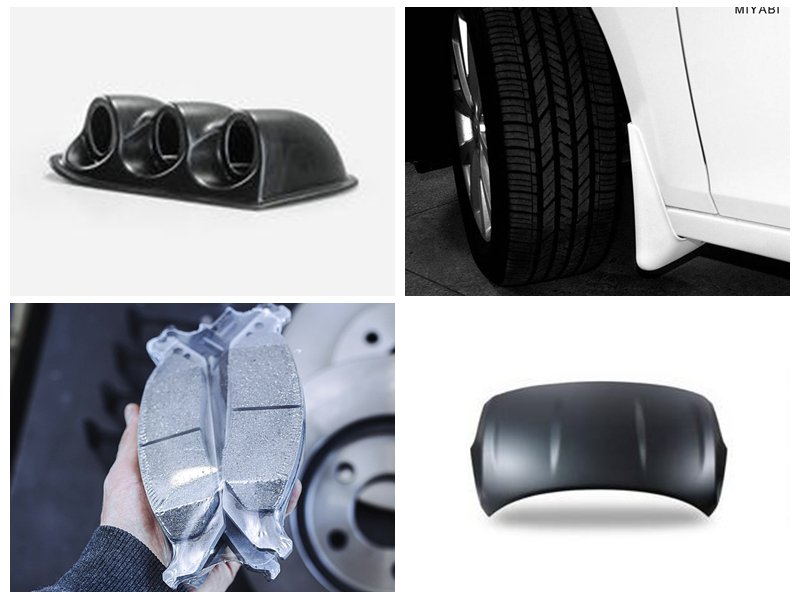
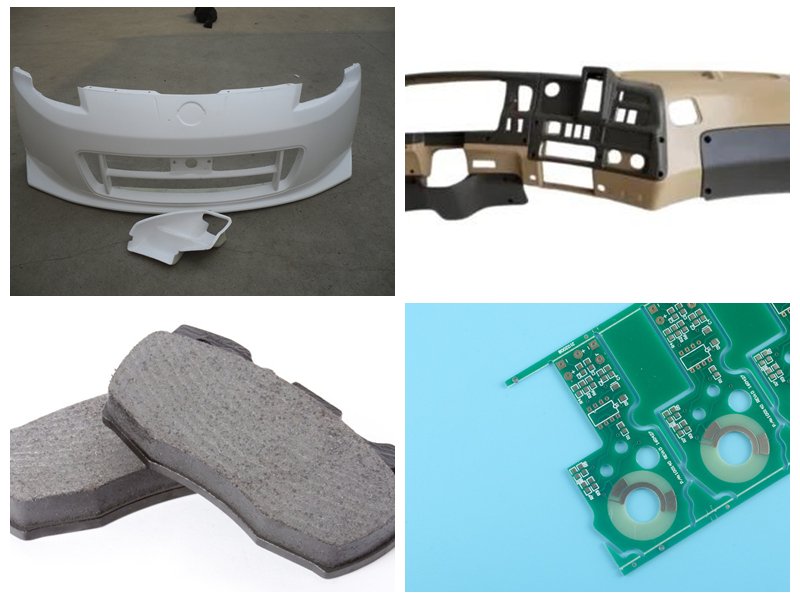
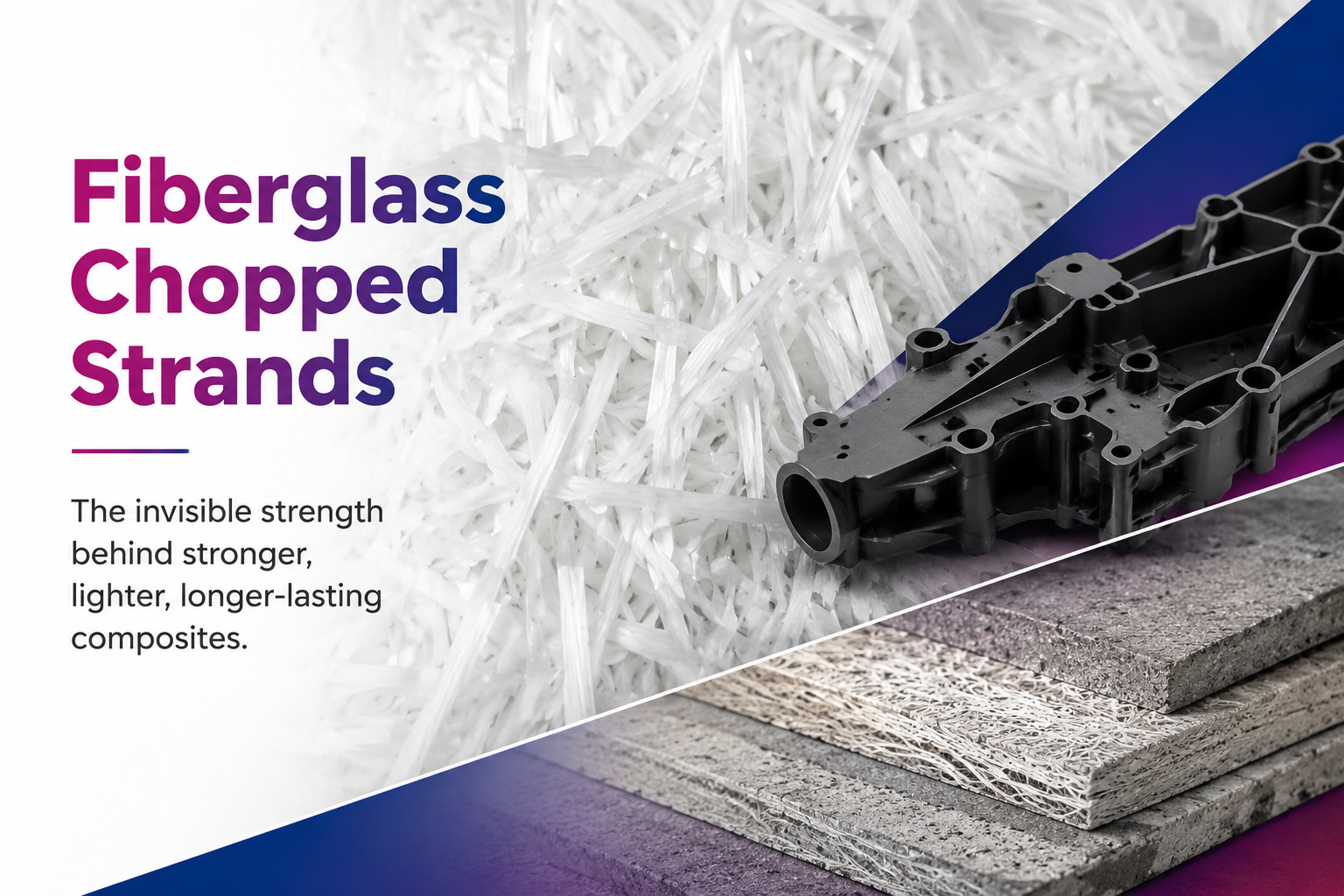
As the automotive industry rapidly advances toward lightweighting, high strength, and corrosion resistance, composite materials increasingly demonstrate their advantages in toughness, corrosion resistance, wear resistance, and temperature resistance. Chopped glass fiber strands, as one of the most important reinforcement materials in both thermoplastic and thermoset composites, have been widely used in automotive components—from bumpers, fenders, and engine hoods to instrument panels, seat frames, as well as electronic components and brake pads. The performance of chopped glass fibers directly determines the mechanical properties, molding efficiency, and long-term reliability of the final product.
However, during procurement and technical selection, many customers tend to focus only on price or a single parameter, overlooking the synergy between key specifications such as fiber diameter, chopped length, and sizing systems. Choosing the wrong specification may lead to insufficient strength, fiber bloom during injection molding, increased screw wear, or even batch quality failures.
From a customer’s perspective and based on typical automotive application scenarios, this article provides a strategic guide covering selection logic, technical parameters, and application scenarios, helping you make more precise and cost-effective decisions in a complex product landscape.
Core Specification Parameters: Three Dimensions You Must Focus On
Fiber Diameter
The filament diameter of glass fibers typically ranges from 7μm to 13μm, with different diameters corresponding to different reinforcement logics.
Fine Diameter (7μm–10μm) Fine fibers have a larger specific surface area, providing a more complete bonding interface with the resin matrix, significantly improving tensile strength and impact toughness. Suitable for structural components with high mechanical requirements, such as instrument panel frames, seat structures, and engine hoods. Customer Strategy: If your product demands high strength and fatigue resistance with a relatively stable molding process, fine-diameter specifications are the preferred choice.
Medium Diameter (10μm–13μm) This range is the most commonly used diameter in the automotive components sector, achieving a good balance between strength, flowability, and cost. Suitable for high-volume parts such as bumpers, fenders, truck roofs, and electronic components. Customer Strategy: For most automotive injection-molded parts, 10–13μm is the “sweet spot” that balances performance and production efficiency.
Chopped Length
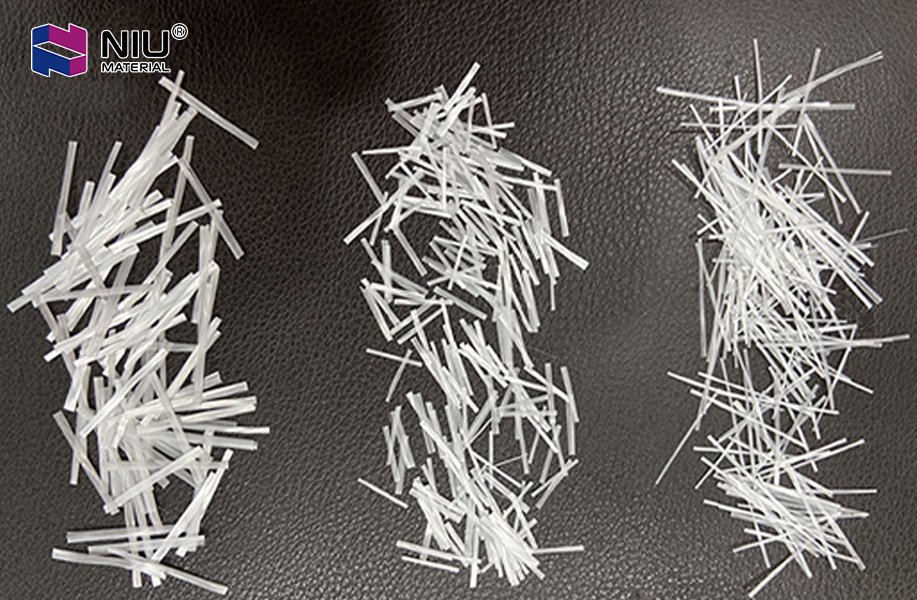
The chopped length determines the retained length of fibers in the final product, directly affecting reinforcement performance and molding process. The most commonly used lengths in the automotive sector are 3mm, 4.5mm, and 6mm.
3mm Suitable for precision injection molding, thin-wall parts, and complex structures. Fibers disperse evenly, resulting in a smooth surface. Ideal for electronic components, small brackets, and connectors where dimensional accuracy and surface appearance are critical.
4.5mm A balanced specification that offers good flowability and reinforcement effects. Suitable for most automotive injection-molded parts such as bumpers, fenders, instrument panels, and interior trim.
6mm Suitable for long-fiber reinforced thermoplastics (LFT) and structural parts with higher strength requirements. It builds a stronger 3D network, significantly improving impact resistance. Ideal for engine hoods, truck roofs, and similar components.
Customer Strategy: For most injection molding processes, 4.5mm is the preferred choice balancing flowability, strength, and processing stability. For thin-wall precision parts, 3mm is recommended. For higher strength requirements with suitable processing conditions, 6mm can be considered.
Sizing System – The Most Overlooked Critical Factor
The sizing system is the chemical treatment layer applied to the glass fiber surface, determining the compatibility between the glass fiber and the resin matrix. Different matrix resins require dedicated sizing systems.
Customer Strategy:
Polypropylene (PP) / Nylon (PA) Systems: Used for bumpers, fenders, engine hoods, truck roofs, and similar components. Choose sizing systems specifically matched to PP/PA to ensure dispersion and interfacial bonding strength.
Phenolic Resin (PF) Systems: Used for brake pads and other friction materials. Glass fibers must have good compatibility with phenolic resin while meeting high-temperature resistance and wear resistance requirements under demanding conditions.
BMC (Bulk Molding Compound) Systems: Used for electronic and electrical components. Chopped glass fibers need good wet-out properties and electrical insulation performance, typically used with unsaturated polyester resins.
Important Note: Do not arbitrarily change the sizing system, as this can easily lead to fiber blooming, significant loss of strength, or brittle failure of the final product.
Application Scenarios and Specification Matching for Automotive Components
Front and Rear Bumpers, Fenders, Engine Hoods, Truck Roofs
Matrix Material: Typically PP (Polypropylene) or PA (Nylon) Recommended Specifications: Diameter 10–13μm, Length 4.5mm or 6mm Selection Logic: These components require lightweight, high strength, impact resistance, and corrosion resistance. Medium-diameter fibers combined with 4.5mm or 6mm length provide excellent reinforcement while maintaining good flowability, meeting the mechanical requirements and production efficiency of structural parts.
Instrument Panels, Seats, Cockpits, Interior Trim
Matrix Material: PP, ABS, PC/ABS, etc. Recommended Specifications: Diameter 10–13μm, Length 3mm or 4.5mm Selection Logic: Interior components have high requirements for surface quality and dimensional accuracy. Shorter chopped lengths (3mm) facilitate uniform dispersion and avoid surface defects such as fiber bloom. 4.5mm balances strength and appearance, suitable for frame components with certain mechanical property requirements.
Automotive Electronic and Electrical Components
Matrix Material: BMC (Bulk Molding Compound), typically with unsaturated polyester resin Recommended Specifications: Diameter 7–13μm, Length 3mm Selection Logic: Electronic components demand high dimensional stability, insulation performance, and molding precision. Chopped glass fibers must have good wet-out properties to disperse evenly in the BMC process while meeting electrical insulation and heat aging resistance requirements. 3mm length is the standard choice for this application.
Brake Pads and Other Friction Materials
Matrix Material: Phenolic Resin (PF) Recommended Specifications: Diameter 7–13μm, Length 3mm–6mm Selection Logic: Brake pads must maintain stable mechanical properties and wear resistance under high-temperature, high-friction conditions. The bonding strength between glass fibers and phenolic resin is critical, along with uniform fiber dispersion in the friction material, ensuring stable braking and controlled wear.
A Customer’s Perspective on the Supply Chain: Buying Stability, Not Just Materials
For automotive component manufacturers, chopped glass fiber strands are a critical base material whose quality stability directly affects downstream production continuity and product yield. In actual procurement, it is recommended to focus on the following three points:
Batch Stability
High-quality suppliers should provide strict batch control data, including key indicators such as fiber diameter distribution, moisture content, and wet-out speed, ensuring consistent performance across batches.
Technical Collaboration Capability
A good supplier is not just a material provider but also a partner capable of joint development. During the selection phase, they should be able to provide customized recommendations based on your mold design, injection molding parameters, and resin grade.
Long-Term Cost Awareness
Simply driving down the unit price often carries hidden risks. Mismatched specifications may lead to increased scrap rates, accelerated mold wear, and higher machine downtime, ultimately driving up total costs. Customers should evaluate based on “material cost per finished part + processing cost.”
Conclusion: Use Specification Certainty to Navigate Market Complexity
In today’s increasingly competitive automotive industry, material selection is no longer a simple procurement task but a systematic process spanning product design, process development, and manufacturing. Although chopped glass fiber strands are just one link in the chain of raw materials, the rationality of specification selection often determines the final performance of components in terms of mechanical properties, surface quality, and cost structure.
As a customer, understanding the technical logic behind specifications, choosing suppliers with technical collaboration capabilities, and establishing a scientific selection and validation mechanism are key pathways to enhancing product competitiveness.
We hope this strategic guide helps you avoid detours in the selection process, enabling more efficient production and more reliable product delivery through more precise specifications.
Please leave a message regarding the fiberglass and other composite materials you’re interested in or looking for.
We will send you a definitive quote (including product price and shipping costs) within 12 hours.
Product Inquiry/Quote
You can leave a message about the fiberglass materials you are interested in/looking for.
We will send you a clear quotation (including product price + shipping cost) within 12 hours.
Are you considering fiberglass for your application?
You can leave your needs and contact information~and We can provide you with usage suggestions + product suitability analysis + free sample delivery!
Leave us your interest and contact information, and we’ll send you detailed information for your reference!
Do you want to know the technical parameters and TDS of products?
You can leave the specifications and contact information you need~ Our technicians will immediately organize the exclusive information for you and send it to your email!
Interested in this specification?
You can leave your contact information here, and we will send you detailed specifications and application cases to make your purchase clearer~
How can we help you?
You can leave a message about the fiberglass materials you are interested in/looking for.
We will send you a clear quotation (including product price + shipping cost) within 12 hours.