

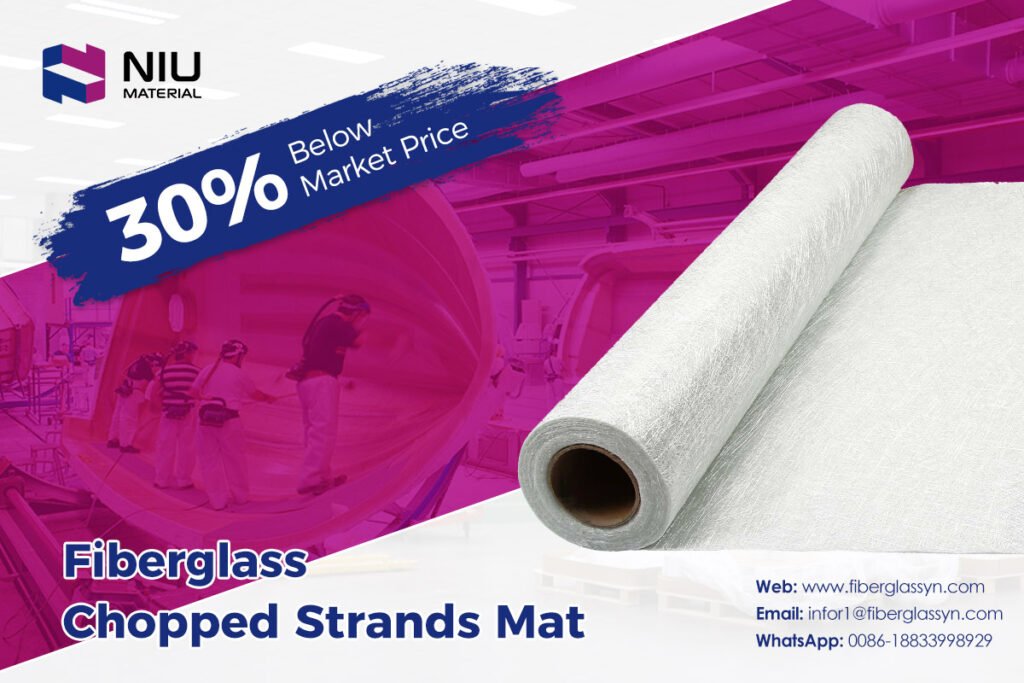
As a purchasing manager or production and technical personnel of a shipbuilding enterprise, you must have had such troubles: ships are long-term immersed in seawater and humid environments, and also bear wind and wave impact and acid-base corrosion. If the selected glass fiber chopped strand mat is slightly inappropriate, problems such as hull delamination, cracking and fiber shedding will occur, which not only increases rework costs, but also affects the service life and navigation safety of ships. Glass fiber chopped strand mat is an indispensable reinforcing material in shipbuilding, which is widely used in hull shell, deck, cabin, interior decoration and other parts. Its quality and selection directly determine the structural strength, corrosion resistance and service life of ships. Today, from the perspective of customers, avoiding the pile-up of professional terms and combining with the actual scenarios of shipbuilding, we will detailedly explain how to select the appropriate glass fiber chopped strand mat for shipbuilding, helping you avoid selection mistakes, reduce production costs and ensure ship quality.
Shipbuilding is different from ordinary FRP products (such as water tanks and gratings). Its service environment is extremely harsh – long-term contact with seawater (high salt, high corrosion), humid water vapor, ultraviolet radiation, as well as bearing external forces such as wind and wave impact, hull vibration and cargo extrusion. Therefore, the performance requirements for glass fiber chopped strand mat are far higher than those of ordinary scenarios. As a customer, we must clarify the core needs before selection to avoid blind procurement. There are 4 specific requirements, each of which is directly related to ship safety:
Seawater contains a lot of salt and chloride ions. Long-term immersion will corrode glass fibers, leading to fiber aging and fracture, and then causing hull delamination and leakage. Therefore, the chopped strand mat used for ships must have excellent corrosion resistance, especially seawater corrosion resistance and acid-base corrosion resistance. This is also the core difference between ship-used chopped strand mat and ordinary chopped strand mat – if ordinary chopped strand mat is used for ships, it will corrode and age in less than 1-2 years, while qualified ship-specific chopped strand mat can be stably used in seawater environment for more than 10 years.
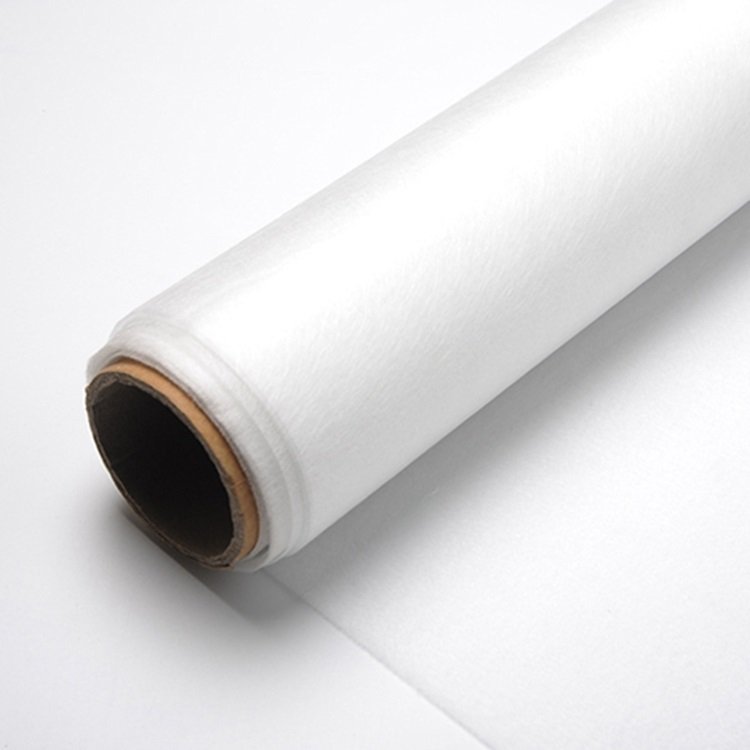
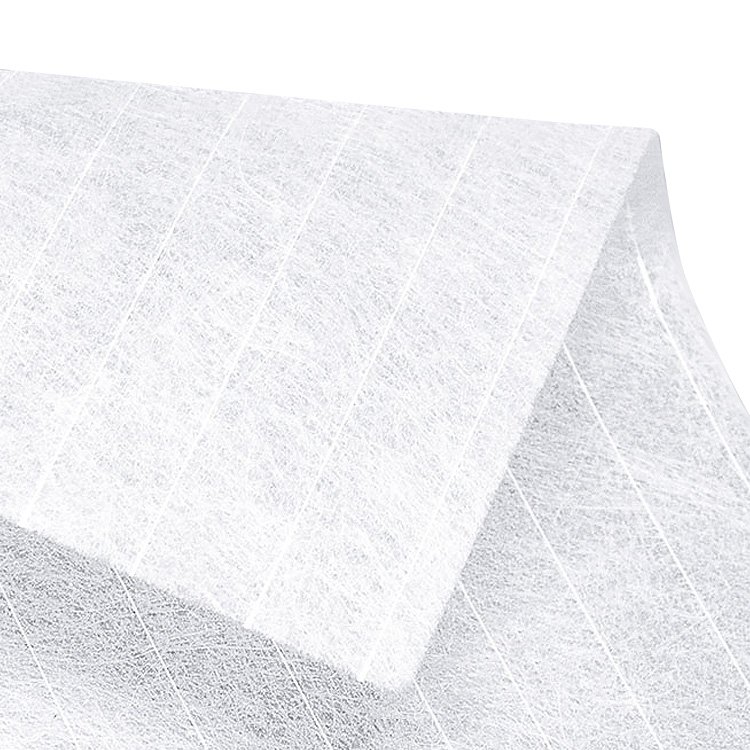
During ship navigation, it will encounter wind and wave impact and hull vibration. The deck and hull shell also have to bear loads such as cargo weight and personnel activities. Therefore, the chopped strand mat must have high tensile strength, bending strength and impact resistance to enhance the stability of the hull structure and avoid hull deformation and cracking. Especially the key parts such as hull shell and bottom have higher requirements on the strength of the chopped strand mat. If the strength is insufficient, it will directly affect the navigation safety of the ship.
In shipbuilding, the chopped strand mat needs to be fully combined with resin (mostly unsaturated polyester resin and vinyl ester resin) to form a firm FRP whole. Therefore, the chopped strand mat must have good resin compatibility, can be quickly wetted by resin, without delamination and bubbles, to ensure that the formed hull structure is compact, and avoid problems such as “degluing” and “hollowing”. Many customers choose the wrong chopped strand mat, leading to poor resin wetting and delamination after hull forming, which has to be reworked, greatly increasing production costs.
Ships sail in a wide range and will experience extreme weather such as high temperature, low temperature, ultraviolet exposure and heavy rain. The chopped strand mat must have excellent weather resistance, can resist the performance attenuation caused by ultraviolet aging and alternating high and low temperatures, and avoid brittleness, cracking, powdering and other problems. For example, when sailing in high-temperature sea areas, the chopped strand mat cannot soften and deform; in low-temperature sea areas, it cannot be brittle and easy to break, so as to ensure the long-term stability of the hull structure.
After clarifying the special requirements of shipbuilding for chopped strand mat, we decompose 4 core selection dimensions from the perspective of customers’ actual procurement and use, helping you quickly lock in the appropriate products and avoid pitfalls. Whether you are a new purchaser or a senior practitioner, you can directly apply it without entanglement in complex professional parameters.
Glass fiber chopped strand mat is mainly divided into alkali-free and medium-alkali types. This is the first and most critical step in shipbuilding selection. Many customers are easy to choose the wrong here, leading to quality problems later.
Alkali-free glass fiber chopped strand mat: alkali content ≤ 0.8%, corrosion resistance, mechanical strength and weather resistance are far superior to medium-alkali chopped strand mat. Especially, it has excellent seawater corrosion resistance, can effectively resist chloride ion erosion, and is not easy to age and break. It is the preferred material for shipbuilding. Whether it is key parts such as hull shell and deck, or auxiliary parts such as cabin and interior decoration, priority should be given to alkali-free chopped strand mat, which can fundamentally ensure the service life of the ship.
Medium-alkali glass fiber chopped strand mat: alkali content is between 11.5% and 12.5%, corrosion resistance and strength are far less than alkali-free chopped strand mat. It will corrode and age quickly when immersed in seawater for a long time, leading to fiber powdering and fracture. It is only suitable for auxiliary parts in the ship that are non-load-bearing and non-contact with seawater (such as interior decorative panels), and has a short service life. It is not recommended for key parts of the hull. Many customers choose medium-alkali chopped strand mat for the hull shell to save costs, which will lead to serious corrosion problems later, and the rework cost is far more than the saved procurement cost.
The binders of chopped strand mat are divided into emulsion and powder types. Combined with the scenario requirements of shipbuilding, we suggest giving priority to emulsion binder (emulsion mat), and powder binder (powder mat) should be used with caution. The specific selection logic is as follows:
Emulsion mat (acrylate binder): high bonding strength, compact mat structure, not easy to shed fibers and delaminate, excellent compatibility with unsaturated polyester resin and vinyl ester resin commonly used in ships, moderate wetting speed, which can ensure full combination with resin, and the formed hull structure is compact and strength is stable. At the same time, the emulsion mat has better corrosion resistance and weather resistance, can adapt to the harsh environment of ships, and is especially suitable for key parts such as hull shell, deck and cabin, which can effectively reduce the risk of hull delamination and cracking.
Powder mat (polyvinyl formal binder): relatively weak bonding strength, fluffy mat, easy to shed fibers and powder. If the wetting is uneven when combined with resin, it will lead to gaps inside the hull, affecting structural strength. Moreover, the corrosion resistance of powder mat is not as good as that of emulsion mat, and the binder layer is easy to fail when in long-term contact with seawater. It is only suitable for auxiliary parts in the ship that are non-load-bearing and non-contact with seawater (such as interior priming), and is not recommended for key parts of the hull. If customers use powder mat for key parts to save costs, fiber shedding and delamination will occur later, affecting ship safety.


Different parts of the ship have different requirements on the grammage and specifications of the chopped strand mat. Blindly choosing products with uniform grammage will either cause cost waste or lead to quality hazards. As a customer, we only need to accurately match the grammage and specifications according to the stress situation and service environment of the ship parts. The specific adaptation scheme is as follows (directly applicable):
(1) Hull Shell and Bottom (Key Stress-Bearing Parts, Contact with Seawater)
Core demand: high strength, high corrosion resistance, resistance to wind and wave impact and seawater erosion. It is recommended to choose: alkali-free emulsion chopped strand mat, grammage 300g-450g/m², width 1.2m-2.4m (customized according to hull size), fiber length 45mm-50mm, which can effectively enhance the strength and corrosion resistance of the hull shell and avoid cracking and leakage.
(2) Deck and Cabin Partition (Load-Bearing and Moisture-Proof Parts)
Core demand: medium strength, moisture-proof, corrosion-resistant, bearing the load of personnel and goods. It is recommended to choose: alkali-free emulsion chopped strand mat, grammage 225g-300g/m², width 1.2m, fiber length 35mm-45mm, which can not only ensure structural strength, but also save costs, and adapt to the construction needs of decks and cabins.
(3) Ship Interior and Decorative Panels (Non-Load-Bearing, Non-Seawater-Contact Parts)
Core demand: light weight, easy construction, and basic weather resistance. It is recommended to choose: alkali-free emulsion chopped strand mat (preferred) or medium-alkali emulsion chopped strand mat, grammage 150g-225g/m², width 1m, fiber length 30mm-35mm, which can not only meet the decoration needs, but also control costs, and there is no need to choose high-grammage products to cause waste.
The quality of glass fiber chopped strand mat on the market is uneven, and there are frequent cases of false grammage and shoddy products. As a customer, we do not need professional testing equipment, and only need to master 3 simple methods to quickly judge the quality of chopped strand mat and avoid being cheated:
Check the appearance: high-quality alkali-free emulsion mat has a smooth and delicate surface, no obvious fiber shedding and powdering, uniform color (milky white or light yellow), neat winding, no looseness and caking; inferior mat has a rough surface, serious fiber shedding, uneven color, loose winding, and even impurities.
Pull by hand: high-quality chopped strand mat has high tensile strength, is not easy to break when pulled hard by hand, and has no obvious deformation after loosening; inferior mat breaks when pulled, fibers are easy to fall off, and feels brittle.
Test wetting: take a small piece of chopped strand mat and put it into the resin commonly used in ships. High-quality mat can be evenly wetted within 60 seconds without bubbles and delamination; inferior mat has slow wetting speed, and even no wetting and delamination, indicating poor compatibility with resin.

Combined with years of experience in serving shipbuilding customers, we found that many customers will fall into some misunderstandings during selection, leading to the purchased chopped strand mat unable to meet the use needs, increasing rework costs and potential safety hazards. The following lists 4 most common misunderstandings to help you avoid them:
This is the most common misunderstanding. Many purchasers choose cheaper medium-alkali chopped strand mat for key parts of the hull to save procurement costs. Little do they know that medium-alkali mat has poor corrosion resistance and will quickly age and powder when immersed in seawater for a long time, leading to hull delamination and cracking. The later rework cost is far more than the saved procurement cost. Remember: for key parts of the ship, alkali-free chopped strand mat must be selected, which is the foundation to ensure the service life and safety of the ship. We cannot sacrifice long-term quality to save short-term costs.
Many customers think that the higher the grammage of the chopped strand mat, the better the strength, so they blindly choose high-grammage products, leading to cost waste. In fact, the grammage is not proportional to the strength, as long as it matches the stress demand of the ship parts. For example, the ship interior does not need high strength, and 150g-225g/m² chopped strand mat is enough. If 450g/m² high-grammage product is chosen, it will not only increase the procurement cost, but also increase the hull weight, affecting navigation efficiency.
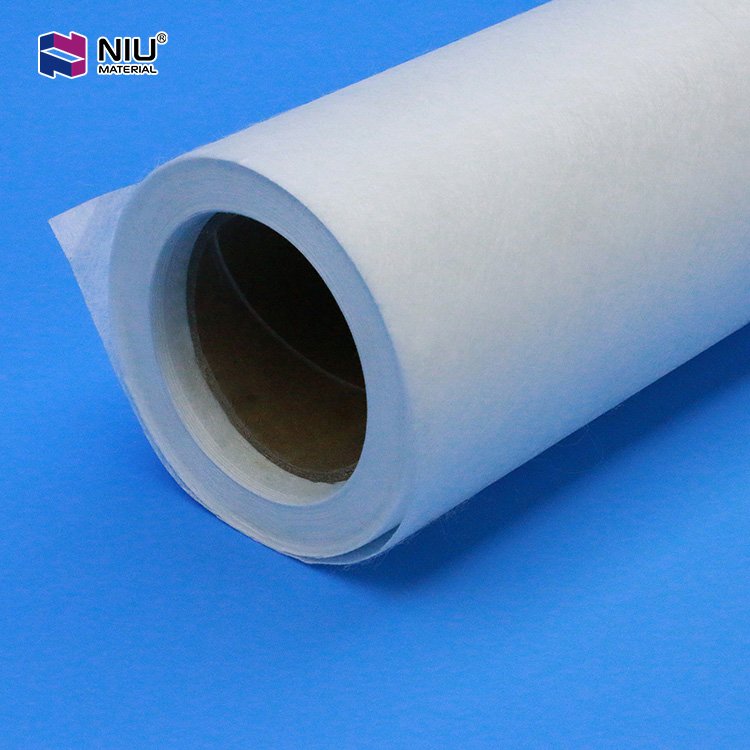
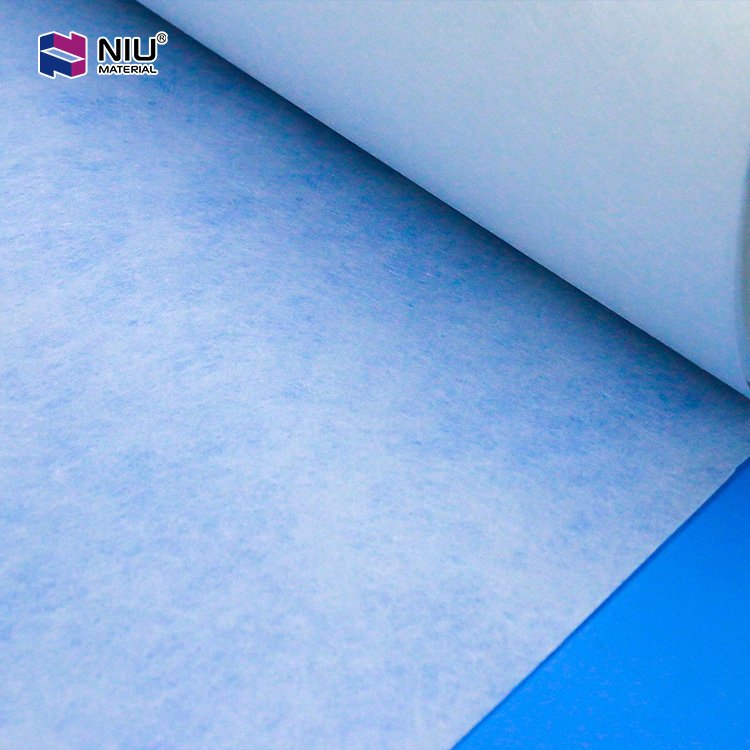
Some customers have insufficient understanding of the type of binder, and think that “as long as it is a chopped strand mat, it can be used for ships”, and use powder mat for key parts such as hull shell and deck. Little do they know that powder mat has weak bonding strength and poor corrosion resistance, and fiber shedding and delamination will occur after long-term use, affecting the stability of the hull structure. Remember: for key parts of the ship, priority should be given to emulsion mat, and powder mat is only suitable for auxiliary parts.
Shipbuilding is a special equipment manufacturing, which has strict requirements on material quality. Many customers do not look at the test report when purchasing, and judge only by appearance and price, which is easy to buy unqualified products. As a customer, you must ask the supplier to provide a test report when purchasing, focusing on indicators such as alkali content, tensile strength and corrosion resistance, to ensure that the product meets the standards of shipbuilding, and avoid project acceptance failure due to unqualified materials.
In shipbuilding, there is no “best” selection of glass fiber chopped strand mat, only “most suitable”. As a customer, the core of our selection is: around the service environment and stress requirements of different parts of the ship, give priority to alkali-free emulsion chopped strand mat, accurately match the grammage and specifications, avoid selection mistakes, do not blindly pursue low prices, and do not ignore quality inspection.
Choosing the right chopped strand mat can not only reduce rework costs and control production costs, but also ensure the structural strength, corrosion resistance and service life of the ship, allowing the ship to sail stably in the harsh marine environment and escort the development of the enterprise. We hope this article can help you sort out the selection ideas, avoid pitfalls, select the most suitable glass fiber chopped strand mat for shipbuilding, and make every procurement investment get the corresponding return.

If you have any questions
Please contact us for free consultation and product quotation
You can leave your needs and contact information~and We can provide you with usage suggestions + product suitability analysis + free sample delivery!
Leave us your interest and contact information, and we’ll send you detailed information for your reference!
You can leave the specifications and contact information you need~ Our technicians will immediately organize the exclusive information for you and send it to your email!
You can leave your contact information here, and we will send you detailed specifications and application cases to make your purchase clearer~